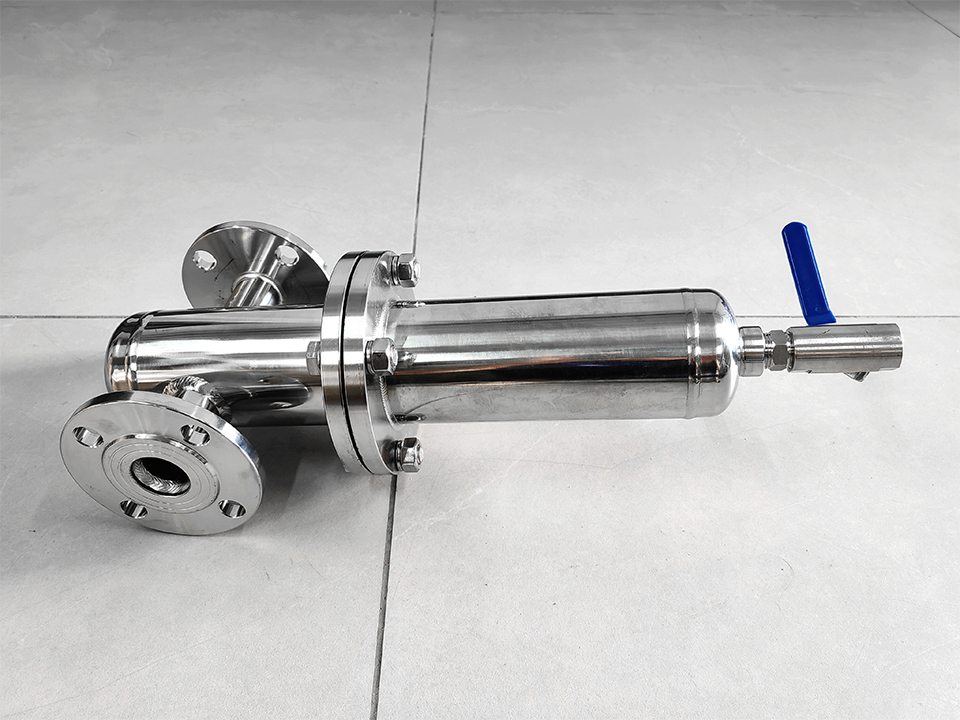
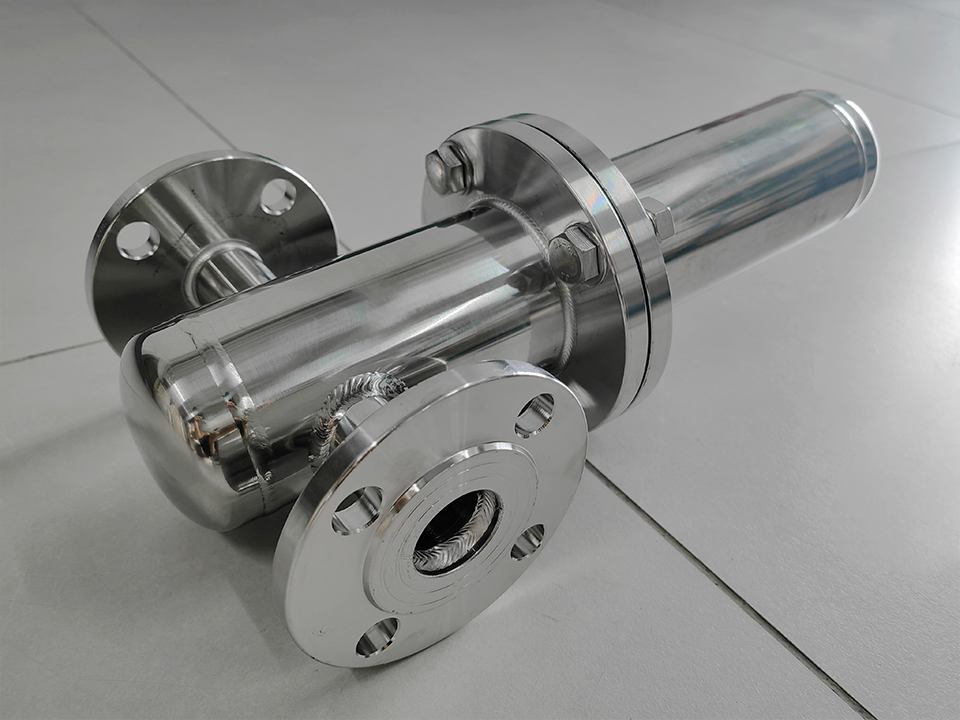
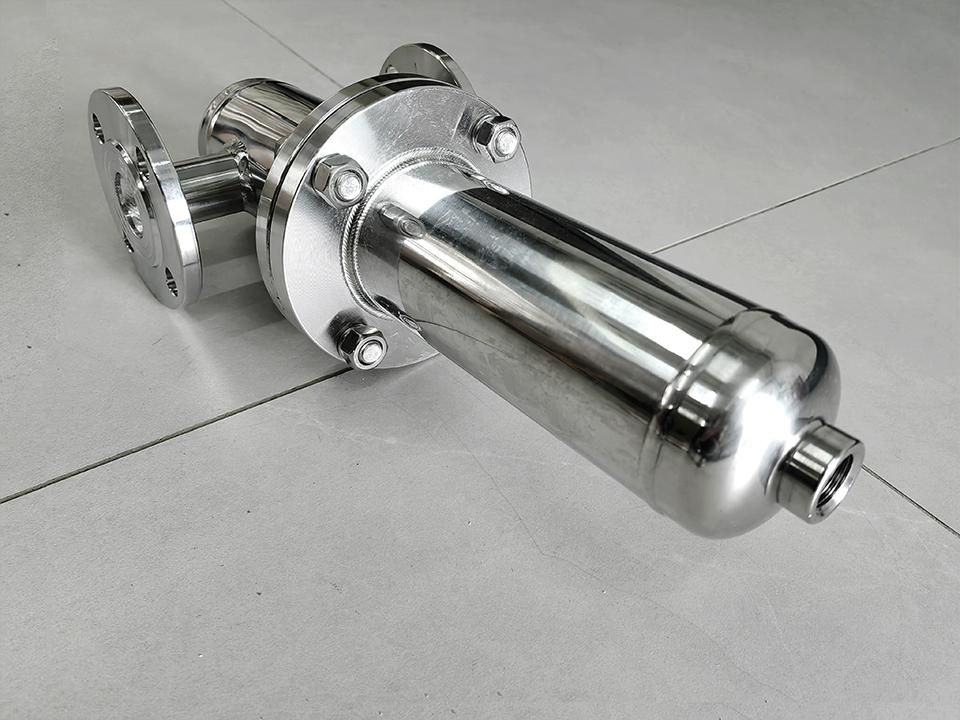
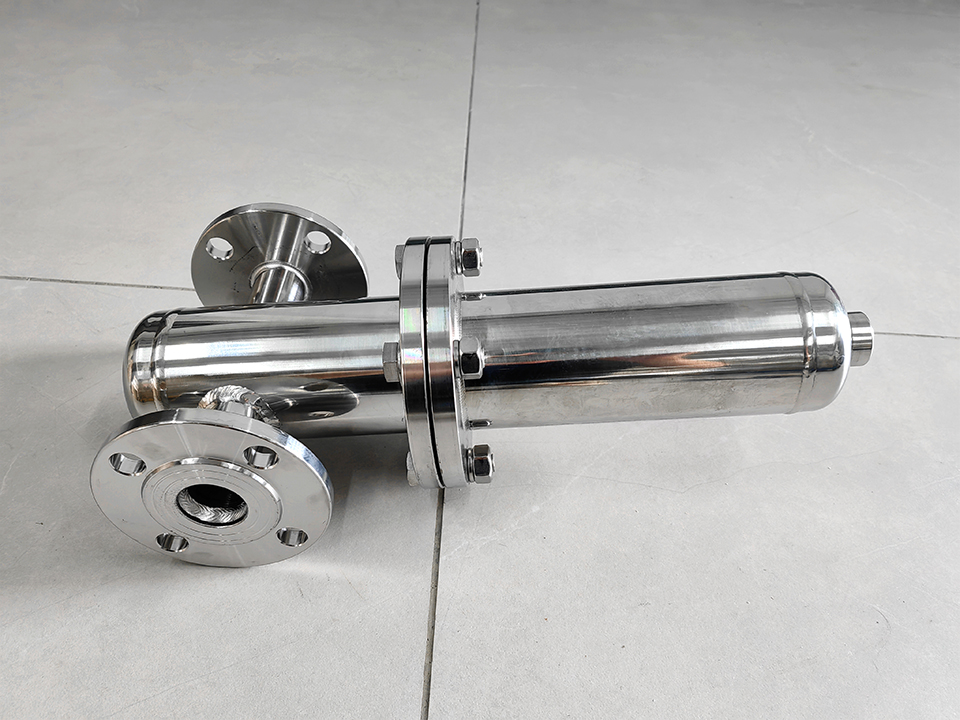
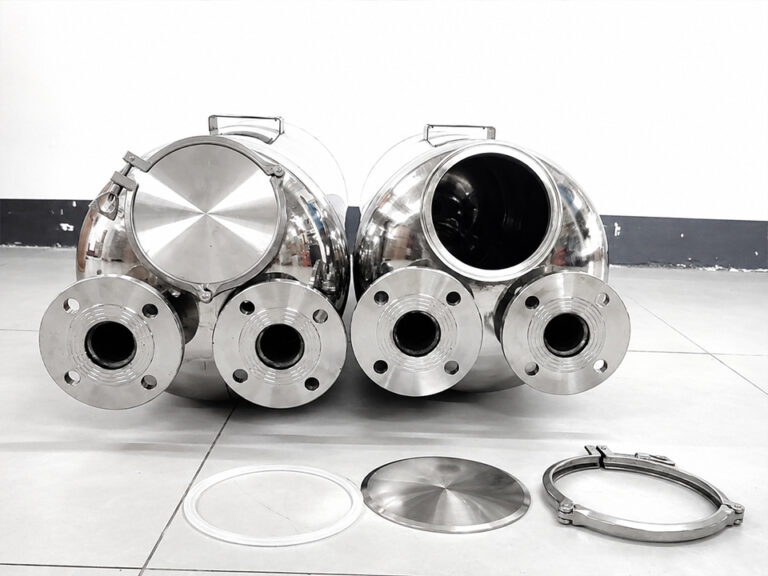
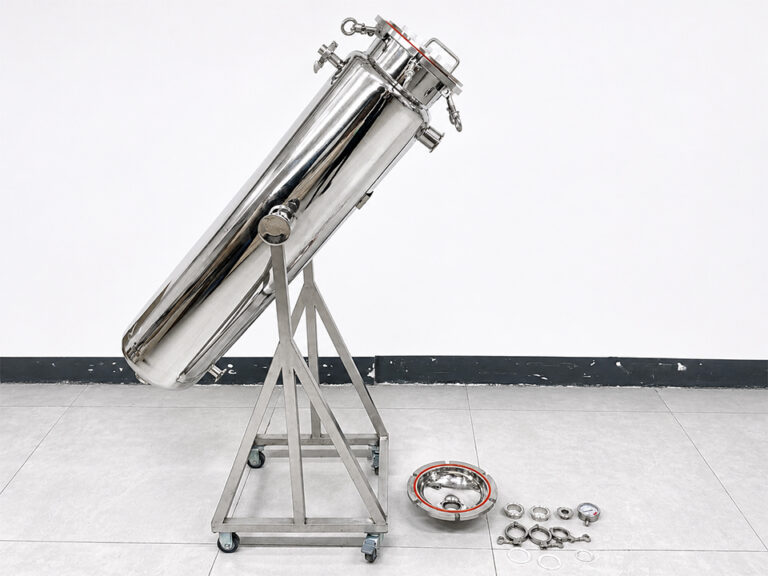
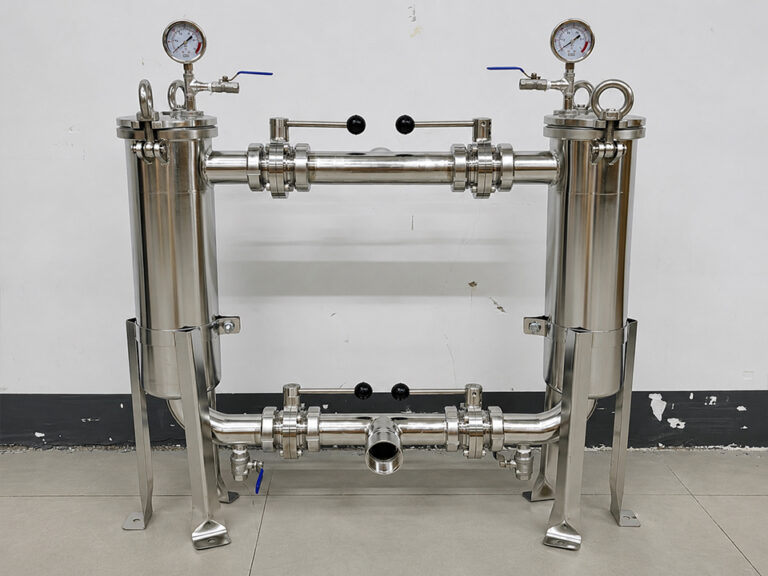
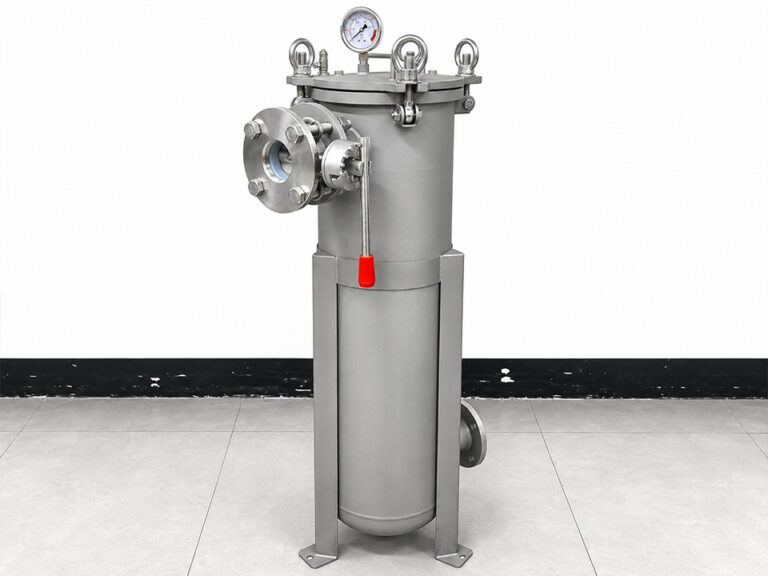
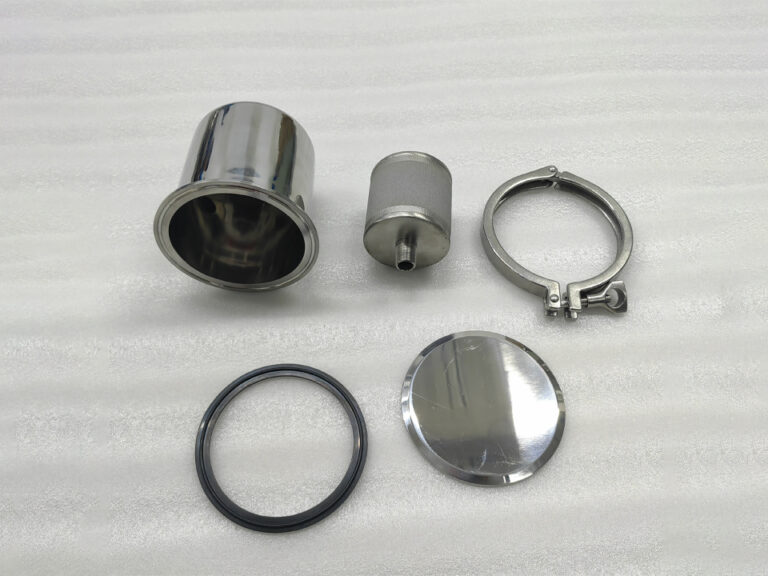
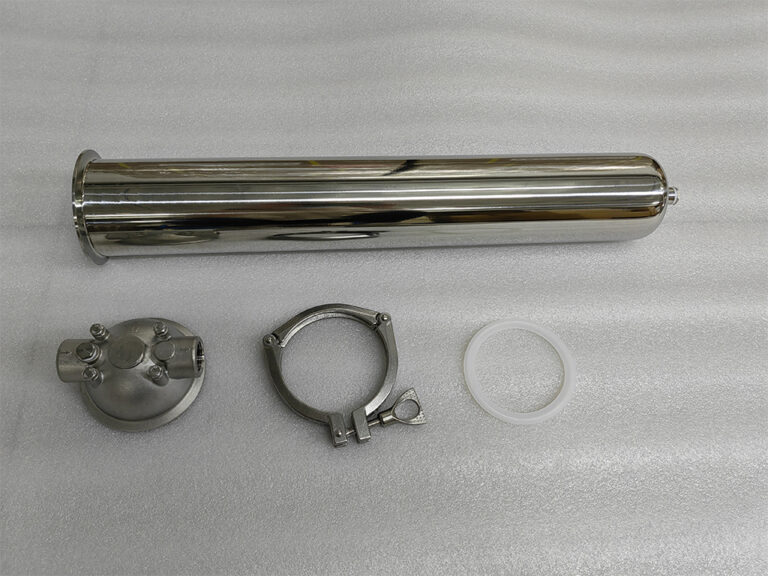
Guangzhou Lvyuan Water Purification Equipment Co., Ltd. is an industrial filter manufacturer founded in 2009 that designs and manufactures stainless steel filter housings, stainless steel sterile water tanks, filter elements, filter bags, ultra-polymer materials, and sintered filter products. Buyers choose Lvyuan for OEM/ODM support, ISO9001 quality control, and multi-country certifications.
Guangzhou Lvyuan Water Purification Equipment Co., Ltd.
Humidifier Bottle Filter Compliance for Medical OEMs
A humidifier bottle filter looks like a simple part: a porous diffuser that breaks oxygen flow into fine bubbles inside a water bottle. For a medical OEM, that diffuser sits in the breathing gas pathway of a regulated device, so its material, particle shedding and lot-to-lot consistency become part of your risk management file. The most common sourcing error is treating compliance as a label that arrives with the part. The finished humidifier, and often the oxygen system it connects to, carries the regulatory obligations. The filter supplier’s job is to provide evidence, process controls and change notification that let you defend your own file. This article explains which standards apply to bubble-type humidifiers, what to test, which documents to request and how to write an RFQ that exposes compliance gaps before tooling is released.
What Does Compliance Mean for a Humidifier Bottle Filter?
For a humidifier bottle filter, compliance means the diffuser’s material, performance and manufacturing controls are documented well enough to support the finished humidifier’s regulatory submission and risk management file. The filter is rarely certified on its own. The OEM that places the finished device on the market typically carries the legal obligation, and the component supplier supplies the supporting data.
In the United States, the FDA’s regulation for respiratory gas humidifiers, 21 CFR 868.5450, defines the device type as one that adds moisture to, and sometimes warms, breathing gases. It names cascade, gas, heated and prefilled humidifiers as part of that type and lists the classification as Class II (performance standards). Other markets apply their own frameworks, so a regulatory affairs specialist should confirm the pathway for each target country.
A bottle that mounts on an oxygen concentrator adds a second layer. The scope of ISO 80601-2-69 for oxygen concentrator equipment extends to accessories connected to a concentrator where the accessory’s characteristics can affect basic safety or essential performance. A diffuser that raises flow resistance or sheds particles is therefore a system-level concern, not only a bottle-level one.
Who Owns What: OEM Versus Filter Supplier
Responsibility
Typically sits with the OEM
Typically supported by the filter supplier
Regulatory submission and device classification
Yes
No
Risk management file and intended use
Yes
Provides inputs only
Material identity, grade and additive declarations
A supplier that advertises a component as “FDA approved” or “ISO 8185 compliant” should be asked what exactly was reviewed, by whom and for which finished device. A component claim without a defined scope has little value in an audit.
Which Standards Apply to a Bubble Humidifier Filter?
The standard most directly aimed at cold bubble-through humidifiers is ISO 20789:2018 for passive humidifiers. Its scope covers so-called “cold bubble-through” and “cold pass-over” humidifying equipment, and the ISO catalogue lists it as confirmed. Whether a specific bottle falls within it depends on the design, so confirm applicability with your regulatory consultant or notified body rather than assuming.
Older documents cause most of the confusion. ISO 8185:2007 is listed as withdrawn. Its successor, ISO 80601-2-74, addresses heated and active humidifying equipment, and its first edition removed the requirements for so-called bubble humidifiers because a separate document was being prepared for them. That separate document is ISO 20789. Supplier datasheets that still cite ISO 8185 for a bubble humidifier component are referencing a superseded and mismatched standard, so ask for the current reference and edition.
Reference
What it covers
Relevance to a bubble-bottle diffuser
What to verify
21 CFR 868.5450
Defines respiratory gas humidifiers (US); Class II (performance standards)
Establishes the device type for US submissions
Product code and submission route with regulatory affairs
ISO 20789:2018
Passive humidifiers, including cold bubble-through
Most directly relevant product standard for a bubble bottle
Applicability to your design; test reports tied to the finished bottle
ISO 80601-2-74
Heated and active humidifying equipment
Relevant mainly if your humidifier is heated or part of a ventilation system
That the supplier is not citing it, or ISO 8185, as a blanket claim
ISO 80601-2-69
Oxygen concentrators and connected accessories
Applies where the bottle interacts with a concentrator
Back-pressure, flow range and alarm behavior with the host unit
ISO 18562 (2024 edition)
Biocompatibility of breathing gas pathways
Governs material evaluation of the diffuser as part of the gas path
Gas path category, test sample configuration, evaluation route
ISO 8185:2007
Withdrawn humidifier standard
Legacy reference only
Reject as a current compliance basis
This table separates published scope statements from judgment. The “relevance” column reflects reading of the scope texts, not a regulatory determination for your device.
How Does ISO 18562 Affect Diffuser Materials?
ISO 18562 evaluates whether the gas pathway of a medical device adds harmful substances to the gas delivered to a patient. According to the Danish Technological Institute, the standard requires testing for emissions of particulate matter, volatile organic substances and leachables in condensate, and all four parts of the revised 2024 edition have been published.
For a humidifier bottle, that structure maps onto three diffuser questions:
Particulate matter: Does the sintered or porous structure release fines when gas flows through it, especially after wetting, drying or handling?
Volatile organic substances: Do the polymer, binder, mold release or cleaning residues outgas into the gas stream?
Leachables in condensate: Does the wetted diffuser release substances into the water, and therefore into condensate and humidified gas?
The testing route is risk-based. Whether a particular diffuser needs full testing, or can rely on existing data, depends on how the gas pathway is categorized and what evidence already exists for the material and process. Do not accept a generic “biocompatible” statement from a supplier. Ask which ISO 18562 parts were applied, to what sample configuration, and whether the sample matches production tooling and production process.
Which Technical Factors Drive Compliance Risk?
Pore Structure, Bubble Behavior and Back-Pressure
Pore size and distribution influence bubble size, gas-water contact and flow resistance. Finer pores generally produce smaller bubbles but increase resistance, which reduces the pressure margin of the host equipment. The usual assumption that a finer pore is better deserves qualification. A diffuser that improves humidification at one flow setting can create excess back-pressure or noise at another, and can clog sooner with scale from poor-quality water.
Verify measured flow resistance across the full labeled flow range, bubble pattern consistency between lots and behavior with the host concentrator. Specify acceptance limits yourself; a nominal pore rating on a datasheet is not a performance specification.
Material Grade, Additives and Process Residues
Request the polymer or alloy identity, grade, any colorants, processing aids and the cleaning or degreasing steps used after forming. Ask whether recycled or reprocessed material is excluded. Resin supplier changes, mold release changes and altered sintering cycles can change extractables and particle behavior even when the part looks identical, so they belong under a written change-notification agreement.
Particle Shedding and Assembly Retention
Porous parts can release fines during handling and during first use. Define a particulate test relevant to your gas path and a retention requirement for how the diffuser is fixed to the tube or stem, because a detached diffuser is a mechanical failure with a patient-safety dimension. Set the acceptance values through your own risk analysis; do not borrow numbers from a supplier brochure.
Water Exposure, Cleaning and Aging
A bottle diffuser is wetted for long periods. Porous structures are harder to clean than smooth surfaces, so the instructions for use should state whether the part is single-patient, replaceable at a defined interval or reprocessable with a validated method. If a supplier markets the part as a bacterial or sterile filter, that claim needs its own validation, separate from diffuser performance. Aging, water-quality tolerance and compatibility with the cleaning agents named in your instructions should be tested on the finished assembly.
Illustrative Scenario: Specification Drift
This is a hypothetical example, not a customer case. An OEM qualifies a diffuser with one resin lot and passes bubble-pattern and particulate checks. Eighteen months later the supplier switches to a cheaper resin source and adjusts the sintering cycle to hold flow rate. Flow resistance still passes, but the OEM’s file no longer reflects the actual material. A change-notification clause and a periodic requalification plan would have caught the shift before the next submission or audit.
Polymer or Metal Diffuser: Which Suits the Application?
Sintered porous polyethylene is a common diffuser construction in supplier catalogs for bubble bottles, and sintered metal elements are an alternative in some designs. The comparison below is qualitative; it is not measured performance data.
Factor
Sintered porous polymer (for example, PE)
Sintered stainless steel or alloy
Typical use
Disposable or replaceable bottle components
Reusable or industrial sparging and gas distribution
Cleaning and reuse
Usually limited; define replacement interval
Often cleanable, but medical reprocessing needs validation
Particulate and extractables focus
Polymer fines, additives, residues
Metal fines, surface condition, passivation and cleaning residues
Unit cost and tooling
Generally suited to high-volume molding or forming
Generally higher unit cost; custom shapes depend on supplier capability
Evidence burden
Resin identity, ISO 18562 data, lot controls
Alloy identity, ISO 18562 data, cleaning and corrosion behavior
Industrial suppliers also make metal diffusers. For example, a sintered metal filter tube from an industrial range may be offered with custom dimensions and pore grades in 316L and other alloys for sparging and gas distribution. The supplier page presents it for chemical and OEM process equipment, not for patient gas pathways. Using a part like that in a medical bottle would require a full material and biocompatibility evaluation rather than reliance on the industrial specification.
Reusability cuts both ways. A cleanable sintered wire mesh filter cartridge can be regenerated by backwashing, ultrasonic cleaning or compatible chemical cleaning when conditions permit, which suits plant process lines. In a patient-contact bottle, the same reusability becomes a validation burden, because every cleaning cycle needs proof that residues are removed and the pore structure is unchanged.
What Filtration Supports the Production and Test Line?
The patient gas pathway is not the only place filtration affects compliance. Rinse water, test water, compressed gas and utility lines in your own plant or your supplier’s plant influence particle counts, residues and cleaning outcomes on the finished diffuser. These products are industrial process equipment, and none of the supplier pages describes them as medical devices. Treat them as plant infrastructure and define water and gas quality requirements through your own quality system.
A few configurations are worth understanding when you audit a diffuser supplier or build a test line:
Utility lines feeding pumps and spray washers often use a stainless steel basket strainer to remove coarse solids through a removable perforated basket before finer filtration.
Gas, steam or liquid lines serving a flow-test bench may use a flanged stainless steel sintered cartridge filter housing, though gas purity for testing should be defined by your own requirements rather than assumed from the housing.
For a supplier audit, the useful question is not which brand of housing is installed. Ask what water and gas quality is specified for cleaning and testing, how it is monitored and what happens when it drifts.
What Documents Should You Request From a Filter Supplier?
A defensible supplier package for a humidifier bottle filter typically includes:
Material declaration with polymer or alloy identity, grade and additives.
Drawing with dimensional tolerances and the defined critical-to-quality features.
Pore rating method and measured flow-resistance data on production-representative parts.
ISO 18562 evaluation or test reports, with sample configuration and test conditions stated.
Particulate and retention test data for the diffuser as assembled.
Cleaning and compatibility data for agents named in your instructions for use.
Quality system evidence, such as ISO 13485 or ISO 9001 certification scope, and lot traceability records.
A written change-notification agreement covering material, tooling and process changes.
Certificates need scrutiny. An ISO 9001 certificate shows a quality management system exists; it does not establish medical suitability of a specific part. Check the scope statement on the certificate and confirm that it covers the product family you are buying.
What Should Buyers Specify Before Requesting a Quote?
An accurate RFQ reduces rework and prevents a supplier from quoting a different part than the one your file requires. Include:
Intended use and host equipment: Oxygen concentrator, other gas source, labeled flow range and target markets.
Dimensions and fixing method: Outer dimensions, bore, attachment to the stem or tube, and retention requirement.
Material requirements: Preferred polymer or alloy, exclusion of recycled content, colorant limits and any restricted substances.
Performance targets: Flow resistance limits, bubble pattern criteria and particulate acceptance, set from your own risk analysis.
Testing and documentation scope: ISO 18562 evidence, cleaning compatibility, lot-release testing and who holds the test data.
Quality and change control: Certification scope, traceability, notification period for changes and sample retention.
Commercial terms: Order quantity, MOQ, lead time, packaging to prevent contamination and shipping method.
Samples: Production-representative samples from final tooling, not prototype pieces, for qualification.
Evaluate suppliers on their answers to these items rather than on the lowest unit price. A cheaper diffuser that lacks documented controls can cost far more once requalification, audit findings or field complaints are counted.
Frequently Asked Questions
What standard applies to a humidifier bottle filter?
No single standard governs the filter alone. The finished bubble humidifier is addressed by ISO 20789 for passive humidifiers, biocompatibility by ISO 18562, and oxygen concentrator interaction by ISO 80601-2-69. Your regulatory specialist should confirm which apply to your design and market.
Is ISO 8185 still a valid compliance reference?
No. ISO 8185:2007 is listed as withdrawn. Its successor, ISO 80601-2-74, covers heated and active humidifiers and removed bubble humidifier requirements, which moved to ISO 20789. Datasheets citing ISO 8185 for a bubble bottle component should be queried.
Does a humidifier bottle filter need ISO 18562 testing?
A diffuser inside the gas pathway is generally part of the evaluation. The extent of testing follows a risk-based assessment of the pathway category and existing data. Ask for the specific parts applied, the sample configuration and whether it matches production tooling.
Can a filter supplier certify my humidifier bottle as compliant?
No. Compliance of the finished device belongs to the OEM that markets it. A supplier can provide material declarations, test data, process controls and change notification, which support your submission but do not replace it.
Is a finer pore size always better for a humidifier bottle diffuser?
No. Finer pores can create smaller bubbles but raise flow resistance and clog sooner with poor water quality. Validate bubble pattern, back-pressure and noise across the whole labeled flow range with the actual host equipment.
What should be in a change-notification agreement for a diffuser?
It should require advance written notice of changes to resin or alloy source, additives, tooling, sintering or forming parameters, cleaning steps and factory location, with enough lead time for you to assess impact and requalify before accepting shipments.