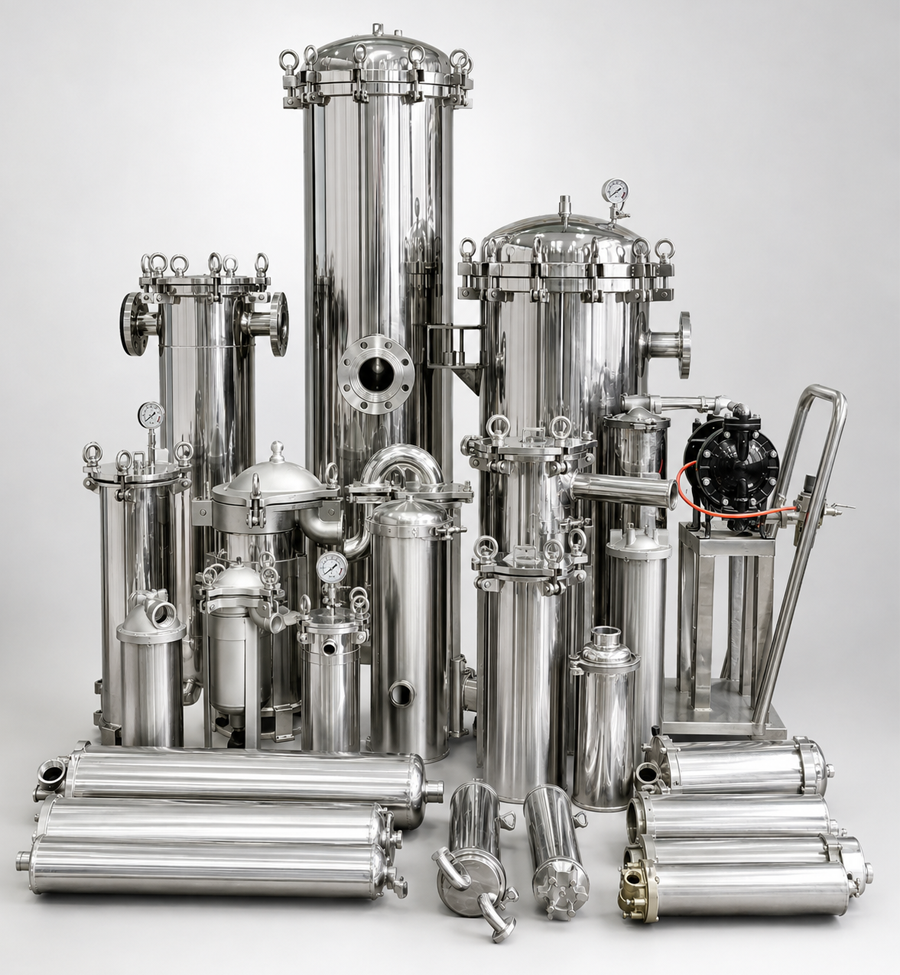
Guangzhou Lvyuan Water Purification Equipment Co., Ltd. is an industrial filter manufacturer founded in 2009 that designs and manufactures stainless steel filter housings, stainless steel sterile water tanks, filter elements, filter bags, ultra-polymer materials, and sintered filter products. Buyers choose Lvyuan for OEM/ODM support, ISO9001 quality control, and multi-country certifications.
Guangzhou Lvyuan Water Purification Equipment Co., Ltd.
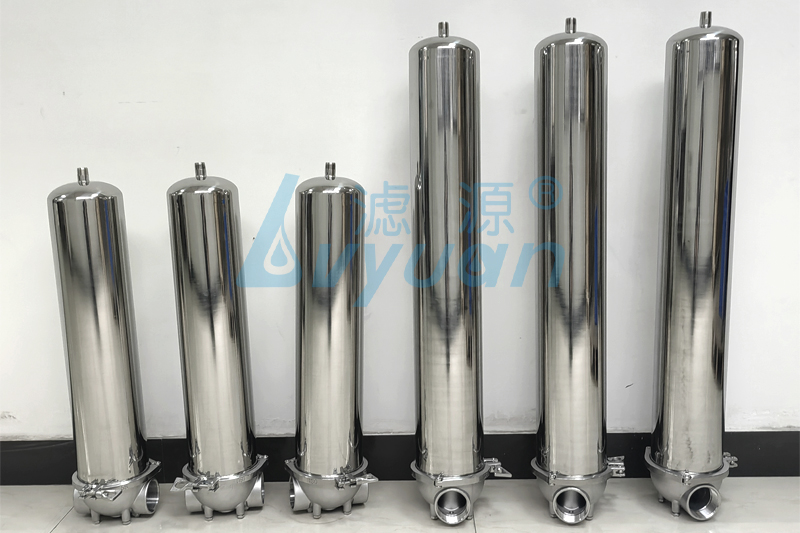
Lvyuan stainless steel filter housing provides a pressure-containing vessel for installing replaceable cartridge filters in process and water filtration systems. Depending on the required capacity, the housing can be configured for a single cartridge, multiple cartridges, or high-flow filter elements. Material, cartridge arrangement, port layout, sealing method, and connection design should be selected according to the process liquid and operating conditions.
Total Solution
Stainless Steel Filter Housing Design and Filtration Function – Lvyuan
Lvyuan filter housing holds one or more filter cartridges in a controlled flow path so liquid is directed through the filtration media before moving downstream.
1. Housing Body
The vessel provides the mechanical enclosure and integrates the inlet, outlet, closure, vent, drain, and internal support structure.
2. Cartridge / Bag Arrangement
Single-cartridge and multi-cartridge or single bag and multi bag layouts can be evaluated according to required capacity, filtration area, footprint, and maintenance strategy.
3. Material Selection
304 stainless steel, 316L, seals, and wetted components should be selected according to fluid chemistry, corrosion concerns, cleaning requirements, and operating environment.
Filter Housing Configurations for Different Filtration Requirements
Available filter housing configurations can be matched to different cartridge arrangements, flow requirements, connection layouts, process liquids, and operating environments. Buyers may require a compact single-cartridge stainless steel housing for point-of-use filtration, a larger multi-cartridge vessel for increased capacity, or a configuration prepared for a specific filter cartridge, piping arrangement, or membrane pretreatment application. The appropriate design is determined during technical evaluation rather than by housing size alone.
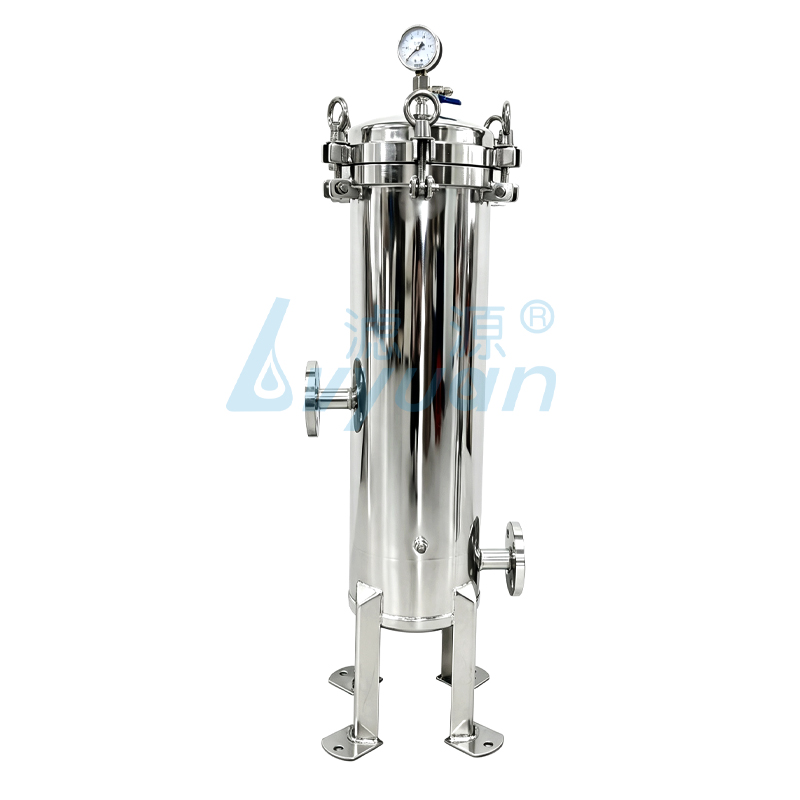
Lvyuan CUNO-Style SS Filter Housing is a compact SS304/316L single-cartridge housing designed for reliable industrial liquid filtration with 10″–40″ cartridges.
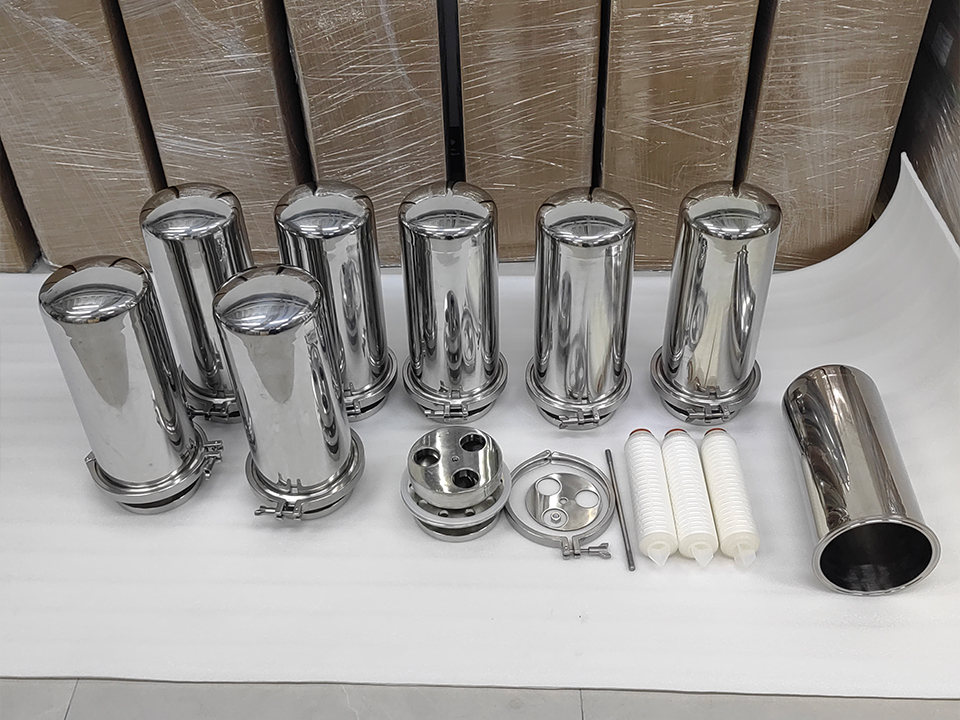
SS304/316L Multi-Cartridge Filter Housing is a durable filtration vessel that holds multiple cartridges for high-flow particle removal from water and liquids.
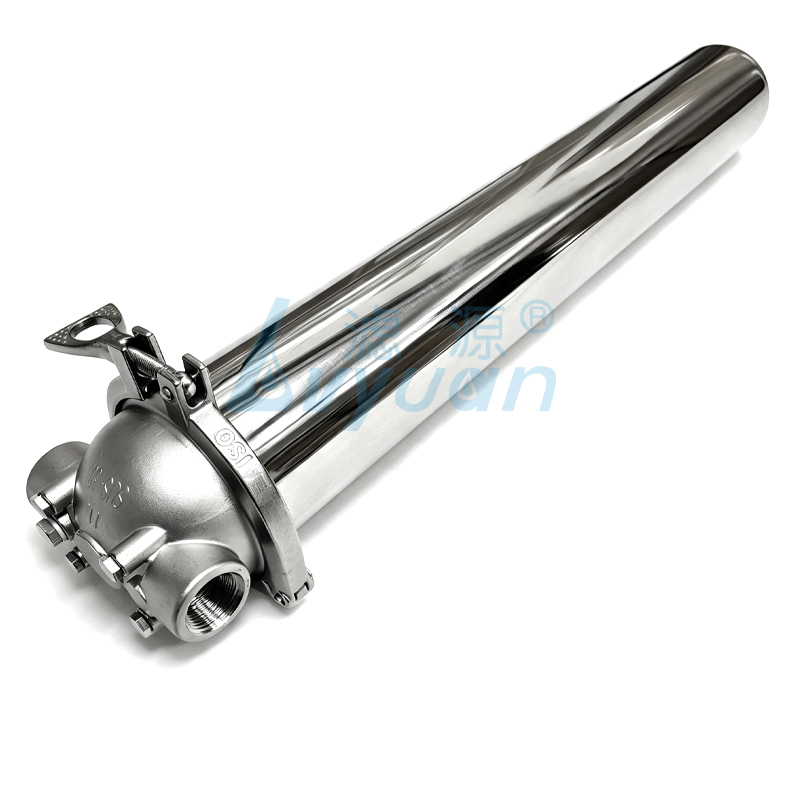
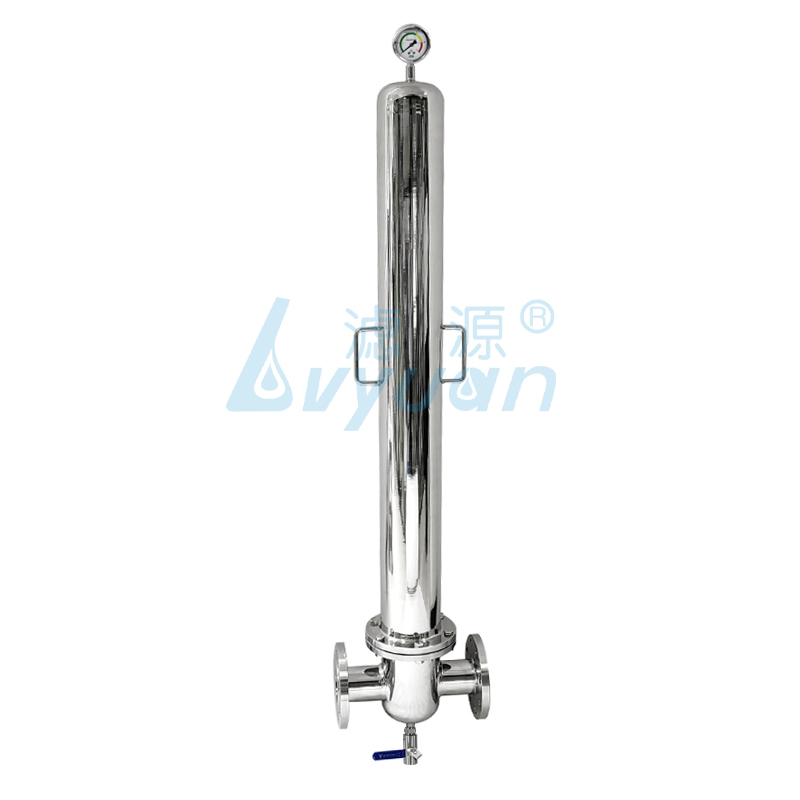
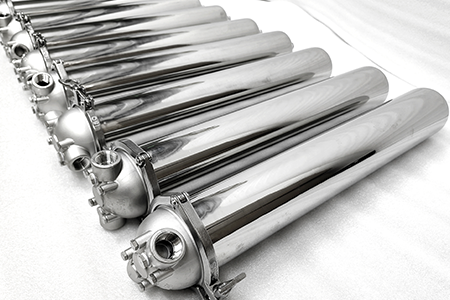
Lvyuan Stainless Steel Inline Filter Housing is a compact SS304/316L cartridge housing designed for reliable inline filtration of water and industrial process liquids.
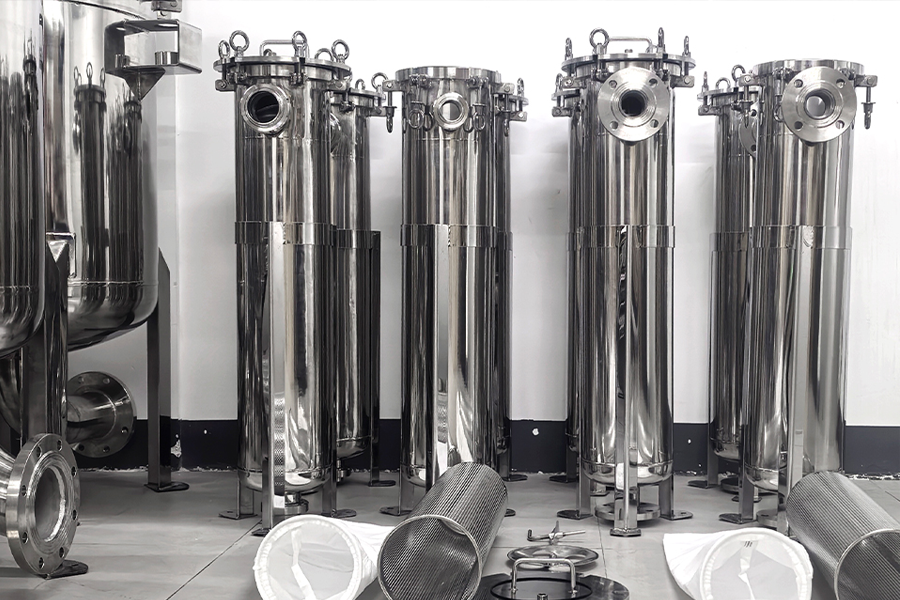
Lvyuan Stainless Steel Multi-Bag Filter Housing is a high-flow filtration unit that uses multiple filter bags to remove particles from industrial process liquids.
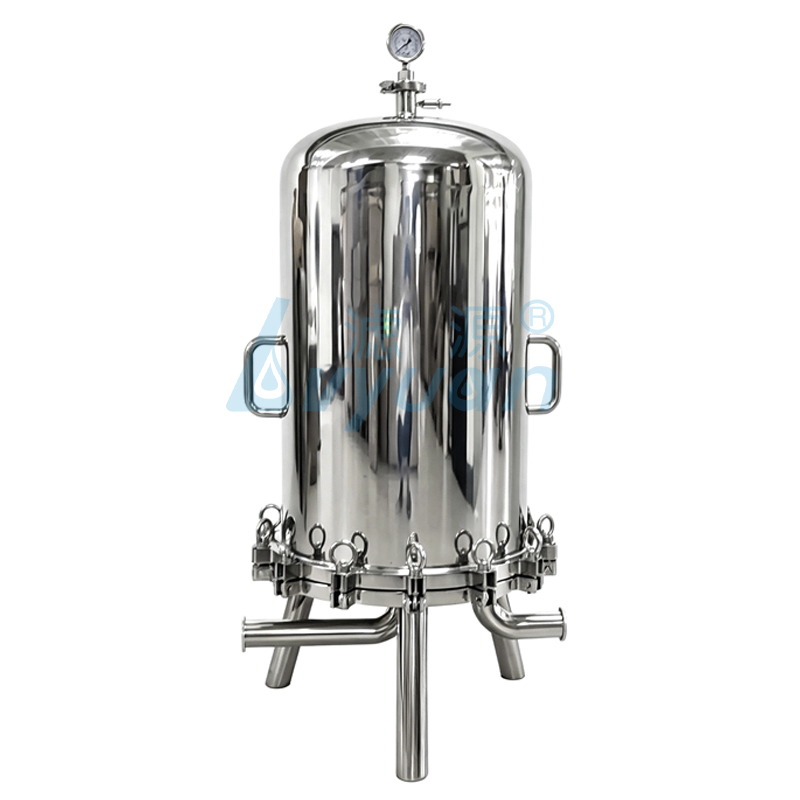
Lvyuan Stainless Steel Lenticular Depth Filter Housing is a sanitary SS304/316L vessel that uses stacked depth-filter modules for clarification and fine filtration of beverages, chemicals, and liquids.
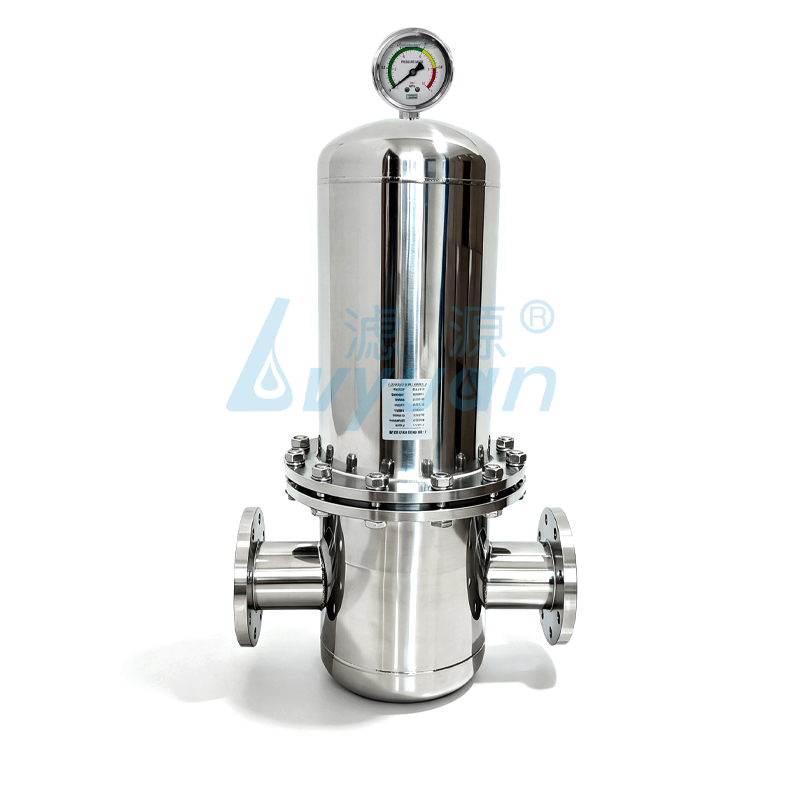
Lvyuan T-Type Stainless Steel Gas Filter Housing is a stainless steel cartridge housing designed to remove particles from process gases and compressed-air lines in industrial systems.
Lvyuan Stainless Steel Steam Filter Housing is an SS304/316L unit designed to remove rust, scale, and particles from process steam using reusable metal filter cartridges.
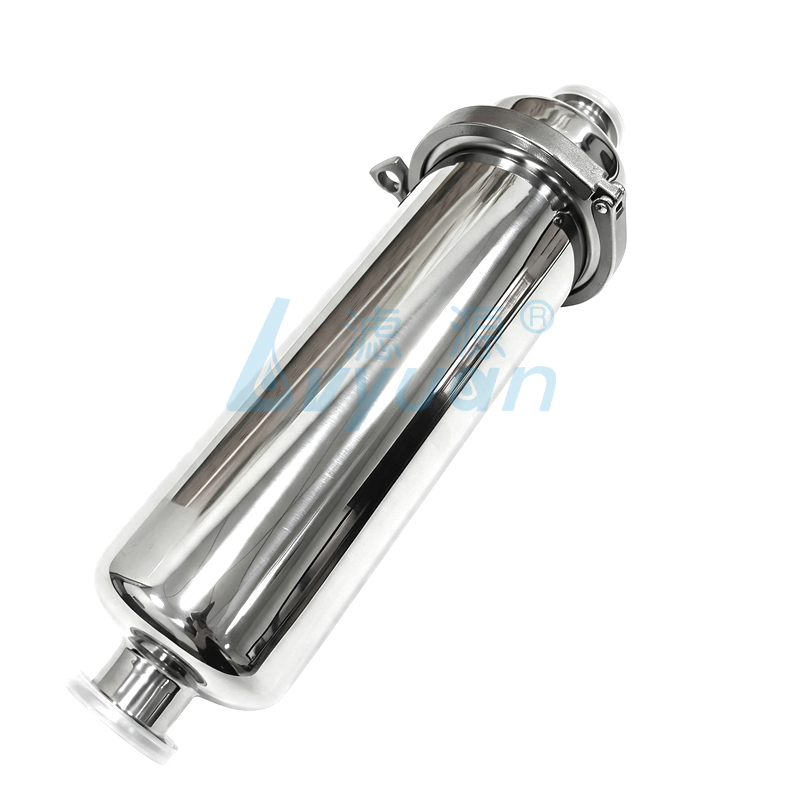
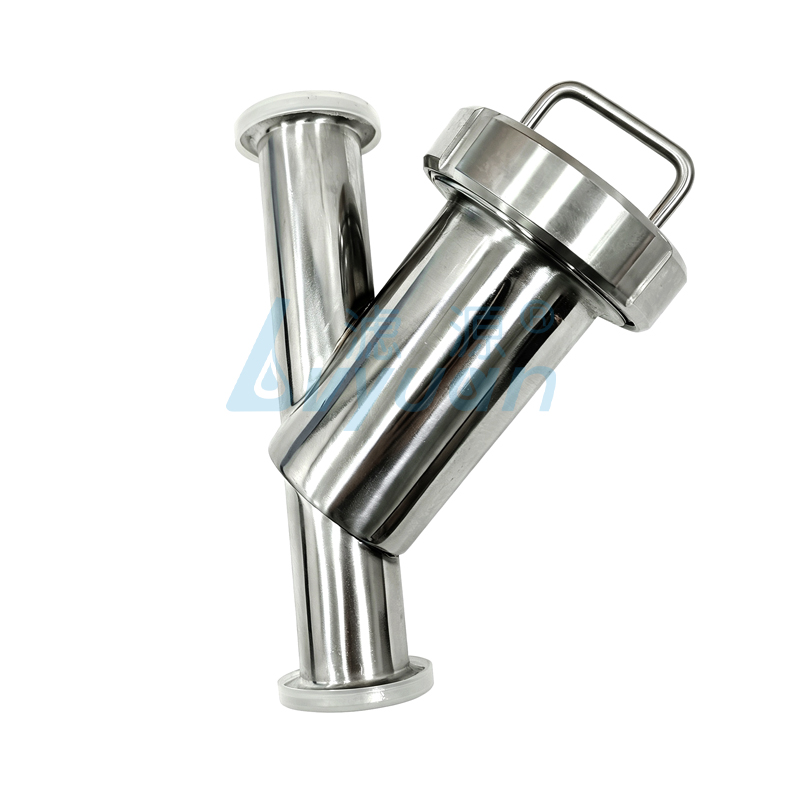
Lvyuan Sanitary Stainless Steel Y Strainer is an SS304/316L inline strainer with a removable basket, designed to capture solid particles and protect downstream process equipment.
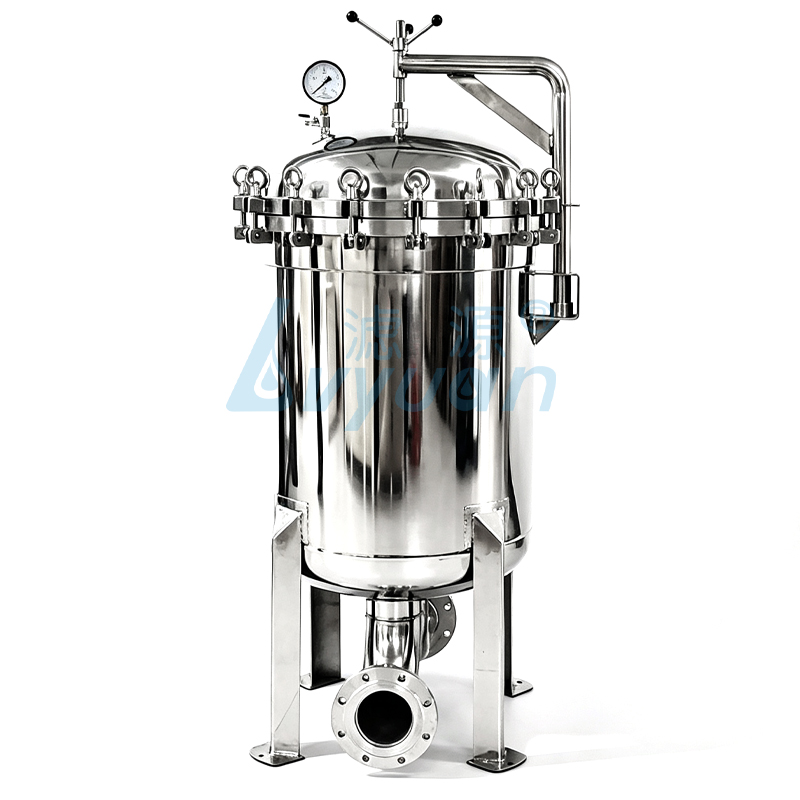
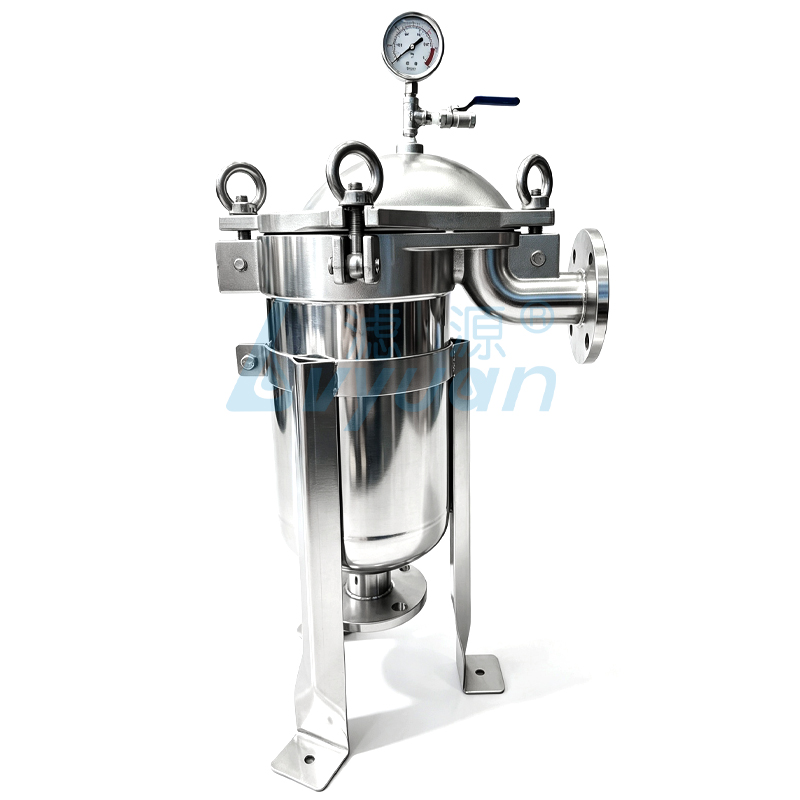
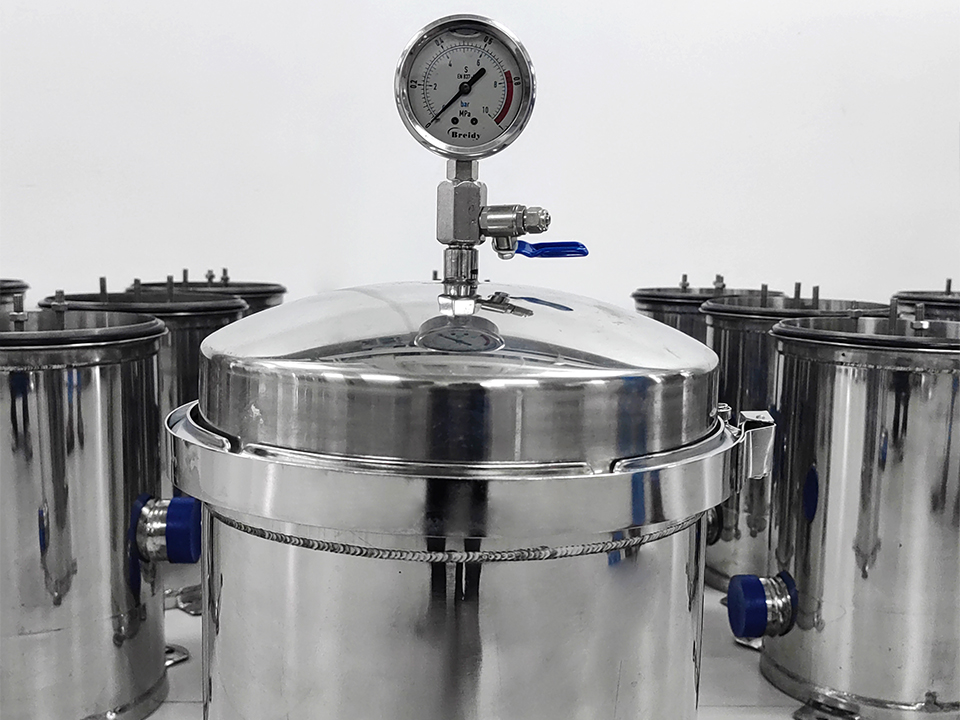
Lvyuan Domed-Cover Bag Filter is an SS304/316L filtration unit with a swing-bolt domed cover, designed for efficient particle removal and easy bag replacement in industrial liquids.
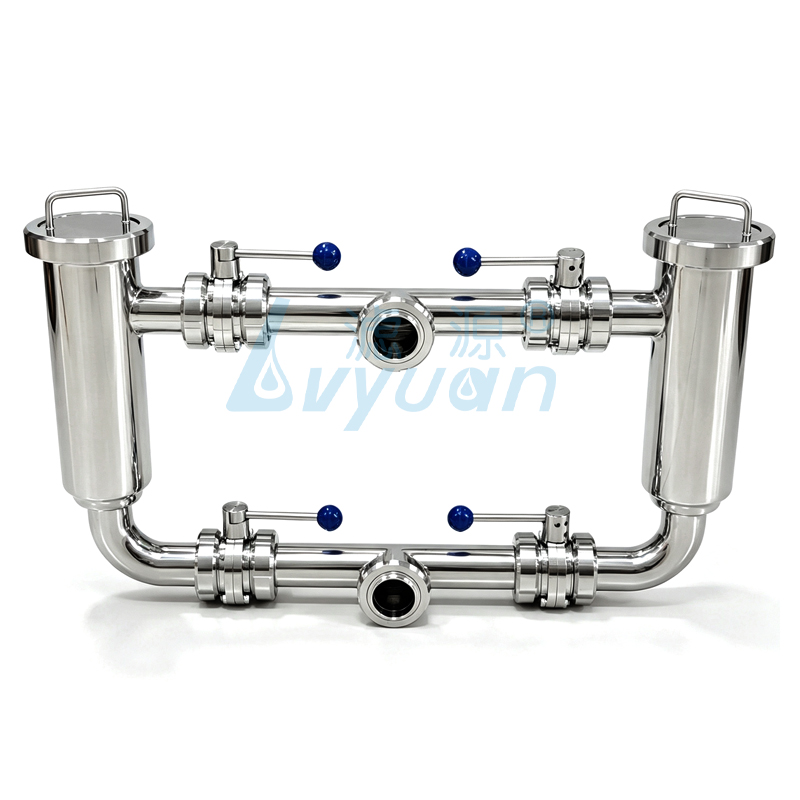
Lvyuan Stainless Steel Duplex Filter Housing uses two filter chambers with switchable flow, allowing continuous industrial liquid filtration while one chamber is serviced.
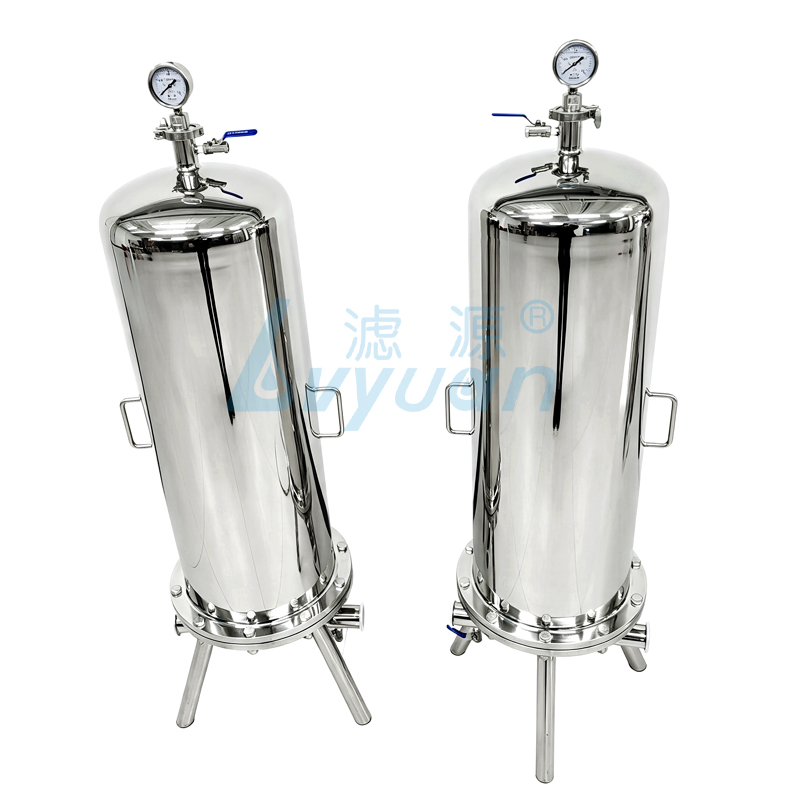
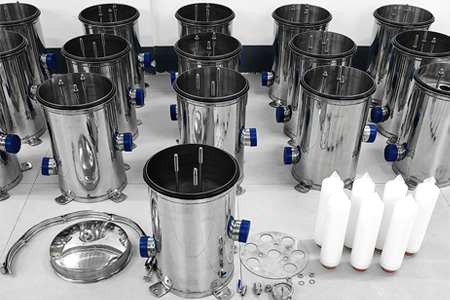
Lvyuan Sanitary Multi-Cartridge Housing is an SS304/316L filtration vessel that holds multiple cartridges for efficient, hygienic filtration of water and process liquids.
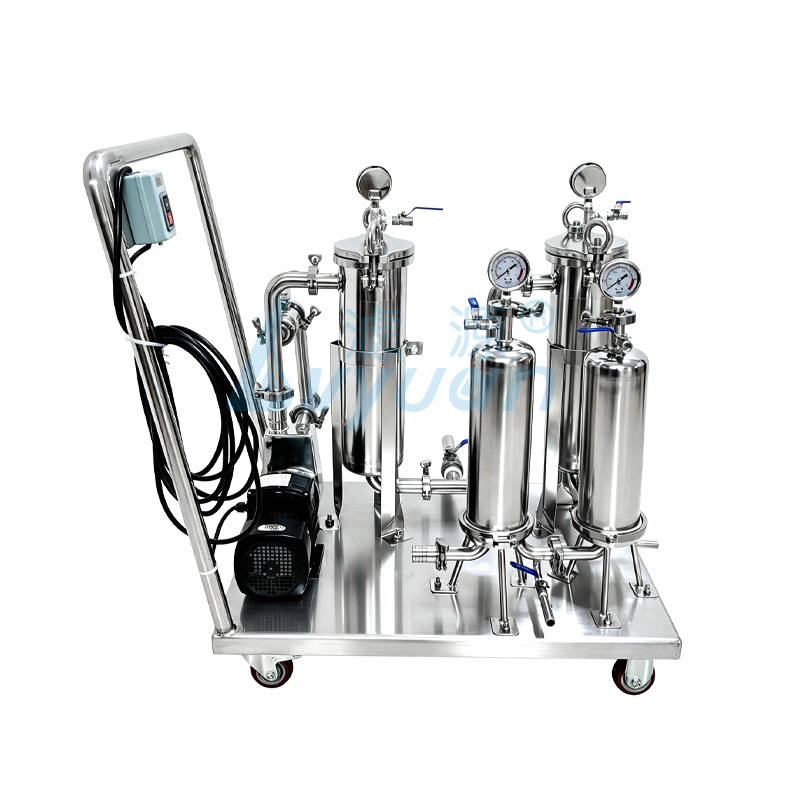
Lvyuan Mobile Stainless Steel Filtration Cart is a portable SS304/316L system combining cartridge housings, a pump and piping for flexible industrial liquid filtration.
Cartridge or bag configuration directly affects filtration area, system capacity, replacement frequency, and housing dimensions. A cartridge filter housing should therefore be selected around the actual filter cartridge that will be installed rather than treated as an independent piping accessory.
Important variables include:
Cartridge/bag type and end configuration
Cartridge/bag quantity and length
Target filtration rating
Required flow rate
Expected contaminant loading
Available installation space
More cartridges and bags generally provide more filtration area, but final capacity also depends on media resistance, liquid viscosity, contaminant loading, piping, and acceptable pressure drop.
Flow Rate, Pressure Drop, and Filtration Performance
Housing size alone does not determine performance. Engineers should evaluate the complete combination of housing, cartridge, process liquid, contaminant load, piping, and operating conditions.
Selection Factor
Common Options
What the Buyer Should Consider
Housing arrangement
Single or multi-cartridge/ single bag or multi bag
Required capacity, footprint, maintenance
Material
304 stainless steel, 316L where appropriate
Process chemistry, corrosion resistance, cleaning
Cartridge arrangement
Standard or project-specific
Cartridge dimensions, end style, filtration objective
Connection layout
Various piping configurations
Existing piping, valve position, access
Flow requirement
Application dependent
Fluid viscosity, cartridge area, pressure drop
Installation
Vertical or project-specific arrangement
Space, cartridge removal clearance, drainage
Surface requirement
General or sanitary where required
Cleanability and process requirements
Manufacturing and Custom Filter Housing Capability – Lvyuan
Lvyuan can supply standard housing arrangements where they fit the application or manufacture a project-specific configuration when piping, cartridge capacity, material, or installation requirements differ.
Customization may include housing dimensions, cartridge quantity, cartridge length, material selection, connection position, port orientation, closure arrangement, internal support design, or surface requirements. OEM projects may also require fabrication according to an approved drawing or integration with an existing filtration system.
Before production, technical details should be confirmed through drawings and specification review. Material certificates can be requested when required and should be agreed as part of the project documentation rather than assumed.
For custom work, manufacturing capability should be assessed together with drawing control, material consistency, welding quality, sealing design, dimensional accuracy, and documentation. A large inventory is less important than the ability to supply the configuration actually required by the application
How to Select the Right Stainless Steel Filter Housing
Selecting a housing starts with process information. Procurement teams can shorten technical evaluation and obtain a more accurate quotation by sending operating data together with the RFQ rather than requesting a filter vessel based only on pipe diameter.
Process media or liquid
Required flow rate
Filtration rating or target micron level
Normal and maximum operating pressure
Operating temperature
Filter cartridge type
Cartridge dimensions and end configuration
Preferred stainless steel material
Required connection type and size
Preferred number of cartridges, if already specified
Installation space limitations
Corrosion or sanitary requirements
Existing equipment details when an upgrade is planned
The supplier can then evaluate configuration, filtration area, vessel arrangement, connection design, and cartridge compatibility. If some parameters are unknown, they should be confirmed during technical evaluation rather than estimated.
This approach is especially useful when comparing filtration products from several suppliers because it creates a consistent technical basis for the RFQ.
Connections, Port Arrangement, Closures, and Installation
Connection layout affects installation work, maintenance access, and how easily a filter housing can be integrated into an existing process line.
Inlet and outlet position should be evaluated against the direction of flow and available piping space. Side, inline, or other project-specific arrangements may be considered where suitable. Existing equipment demonstrates that filter housings can be offered with different inlet/outlet layouts, closure designs, seal options, and mounting arrangements according to the intended service.
Closure design also influences cartridge replacement. The operator needs sufficient clearance to open the vessel, remove used elements, inspect seals, and install replacements without interfering with nearby piping or equipment.
During installation planning, check:
Pipe connection compatibility
Inlet and outlet orientation
Venting and drainage
Cartridge removal height
Maintenance clearance
Mounting or support requirements
Valve location
Operating access
Seal replacement access
A cleaner piping layout at the design stage can make routine maintenance considerably easier after commissioning.
Filtration Applications for Process and Water Systems
A stainless steel filter housing can be used in many liquid filtration duties when the material and cartridge are compatible with the process.
Typical contexts include water treatment, process water filtration, equipment protection, polishing filtration, commercial applications, and pretreatment before downstream equipment. Cartridge filtration is also used ahead of membrane systems where suspended material needs to be reduced before sensitive downstream components. Eaton identifies cartridge housing applications ranging from membrane pre-filtration to safety and final filtration, depending on the selected system.
For reverse osmosis systems, the housing should be evaluated as part of the complete pretreatment design rather than as an isolated component. Cartridge rating, upstream treatment, feedwater characteristics, membrane protection requirements, and replacement strategy should all be considered.
Other commercial and industrial filtration applications may require different media, materials, or construction. Stainless steel water filter housings are not automatically suitable for every chemical process, and residential equipment requirements can differ substantially from process-duty equipment.
Filter Housing Quality, Reliability, and Service Life
A high-quality housing should be evaluated as a mechanical filtration component, not only by its external finish. Reliability depends on how the body, welds, cartridge supports, seals, closure, connections, and internal components perform together in the intended operating environment.
Buyers should review weld consistency, cartridge fit, sealing surfaces, corrosion resistance, accessibility, hardware construction, and documentation. A durable design should also permit practical inspection and cartridge replacement throughout its service life.
For aggressive liquids, material compatibility deserves particular attention because stainless steel performance changes with chemistry and environmental conditions.
The most robust specification is therefore the one matched to actual service conditions. An unnecessarily complex housing may add cost, while an underspecified design can create maintenance or compatibility problems.
Stainless Steel Filter Housing FAQ
What is a stainless steel filter housing?
A stainless steel filter housing is a pressure-containing vessel that holds one or more replaceable filtration elements and directs process liquid through them. The housing provides the mechanical interface between piping and the cartridge while supporting sealing, flow distribution, cartridge replacement, venting, and drainage.
How do I select a cartridge filter housing?
Start with the process liquid, required capacity, cartridge type, filtration level, pressure, temperature, material requirement, and connection arrangement. The housing should then be sized around the selected cartridge and operating conditions. Cartridge grade and flow requirement are both relevant to housing selection.
What information is needed to size a filter housing?
Provide flow, process media, viscosity where relevant, filtration target, cartridge dimensions, operating pressure, temperature, contaminant conditions, piping connections, and available installation space. These parameters allow the supplier to determine whether a single, multi-cartridge, jumbo, or another configuration should be evaluated.
How does cartridge quantity affect flow capacity?
More cartridges generally increase available filtration area, allowing the total process flow to be distributed across additional elements. Actual capacity still depends on cartridge media, element geometry, contaminant loading, fluid properties, and acceptable pressure drop. Multi-cartridge housings are commercially available in a wide range of cartridge counts for this reason.
What should be considered when choosing stainless steel material?
Consider liquid chemistry, chlorides or other corrosive constituents, operating temperature, cleaning chemicals, sanitation requirements, and the surrounding environment. 304 stainless offers good general corrosion resistance, while 316L is commonly considered where greater corrosion resistance is required.
Can the housing be customized for an existing filtration system?
Yes, project-specific customization can be considered when the existing system requires particular dimensions, connection locations, cartridge arrangements, materials, or installation geometry. Existing drawings, photographs, cartridge information, and piping specifications help the manufacturer evaluate whether a compatible replacement or modification can be produced.
What cartridge types can be used in the housing?
Compatibility depends on the internal housing design, element diameter, length, end connection, sealing method, and flow direction. Different commercial housings accept different cartridge formats and lengths, so the required cartridge should be identified before the housing specification is finalized.
Request a Filter Housing Configuration for Your Project
Send us your filtration requirements to evaluate a suitable stainless steel filter housing configuration for your process. For a more accurate technical recommendation and quotation, provide the required flow, process liquid, filtration rating, operating pressure and temperature, cartridge type and size, preferred material, connection requirements, installation limitations, and required quantity.
Our technical team can review these parameters against the required cartridge arrangement, vessel construction, piping interface, and maintenance needs before the design is confirmed. Request a quotation, submit your project specifications, or discuss your application with our technical team to determine the appropriate housing configuration.