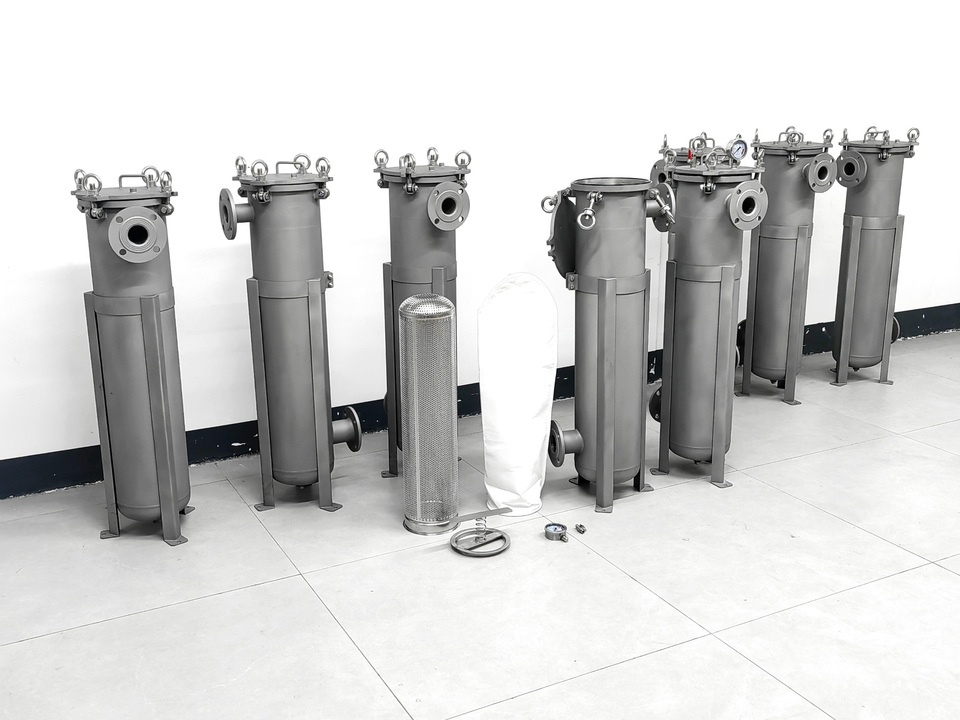
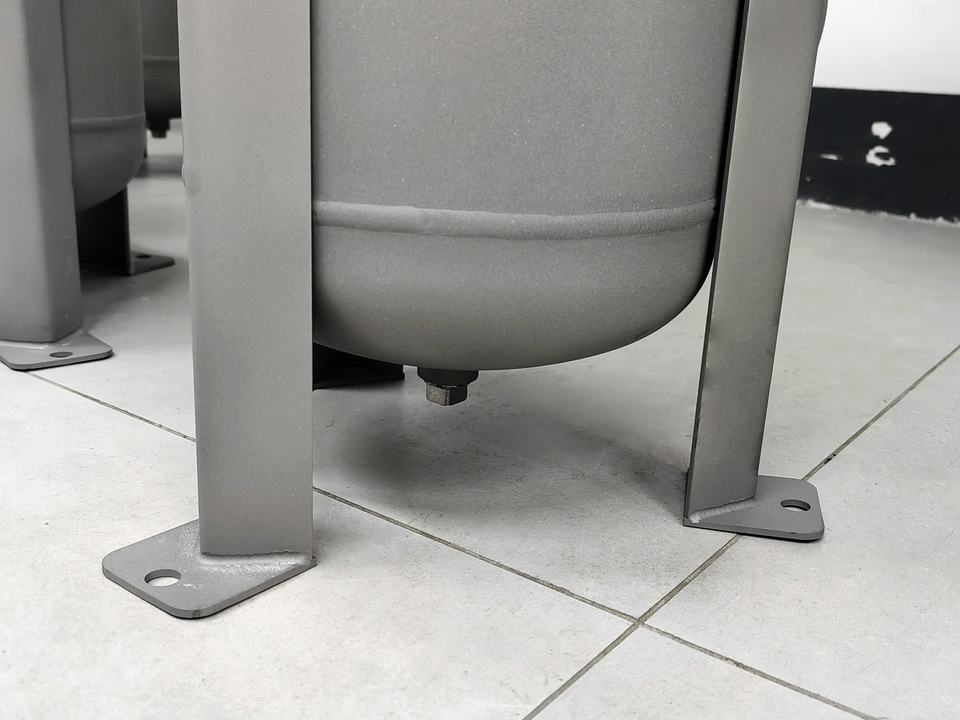
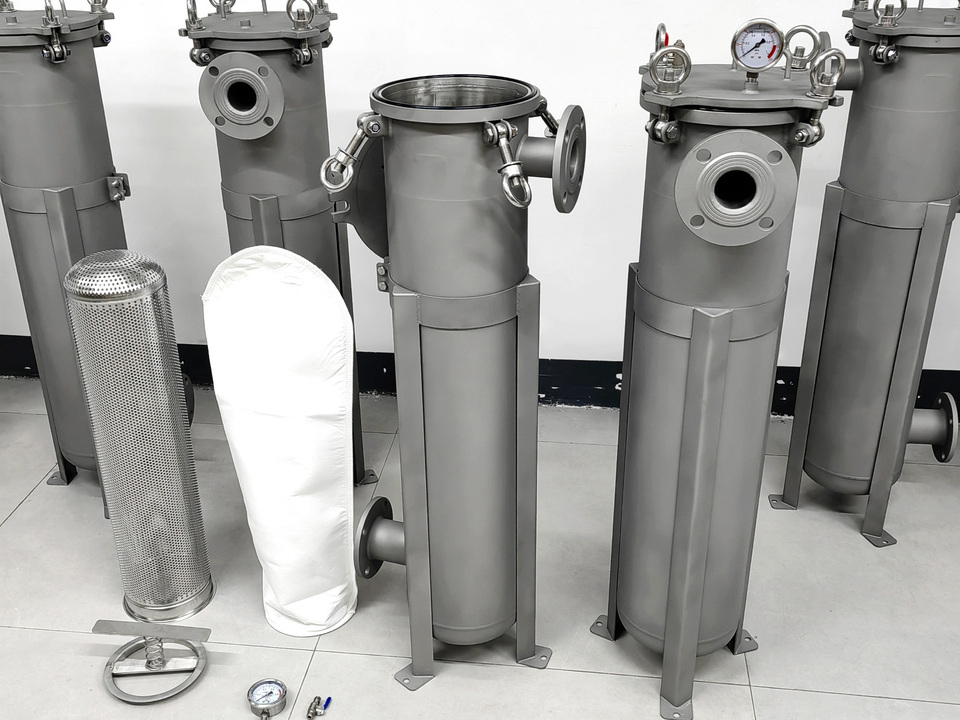
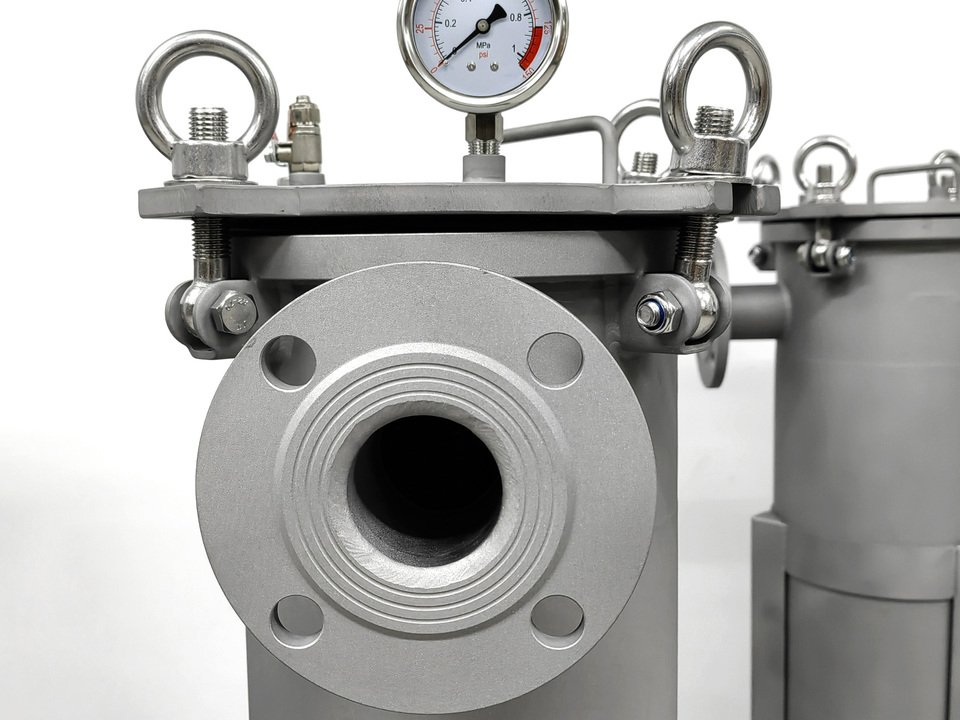
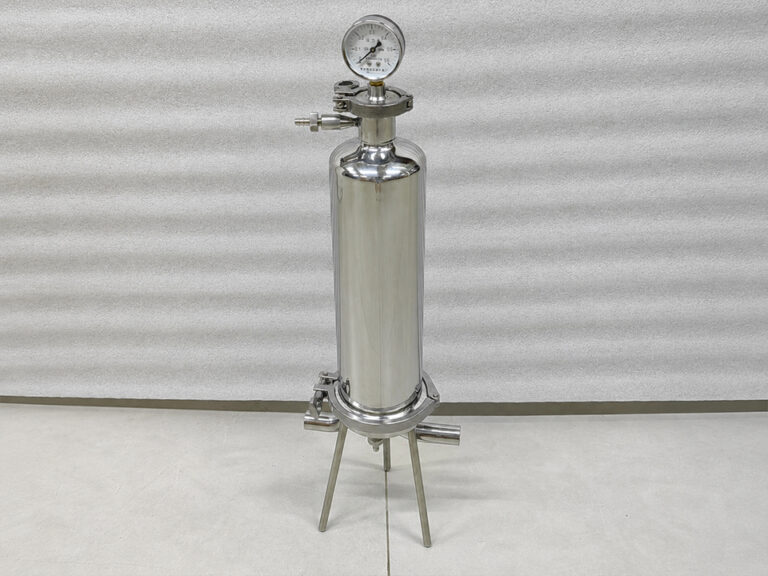
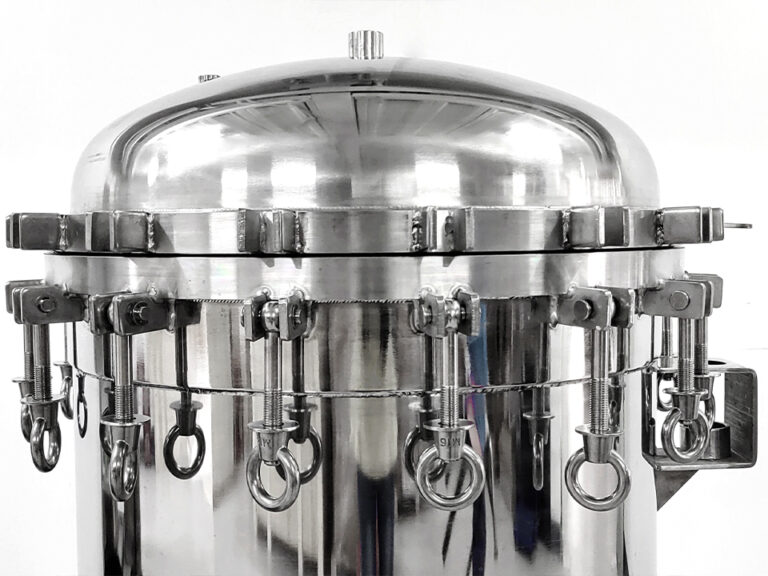
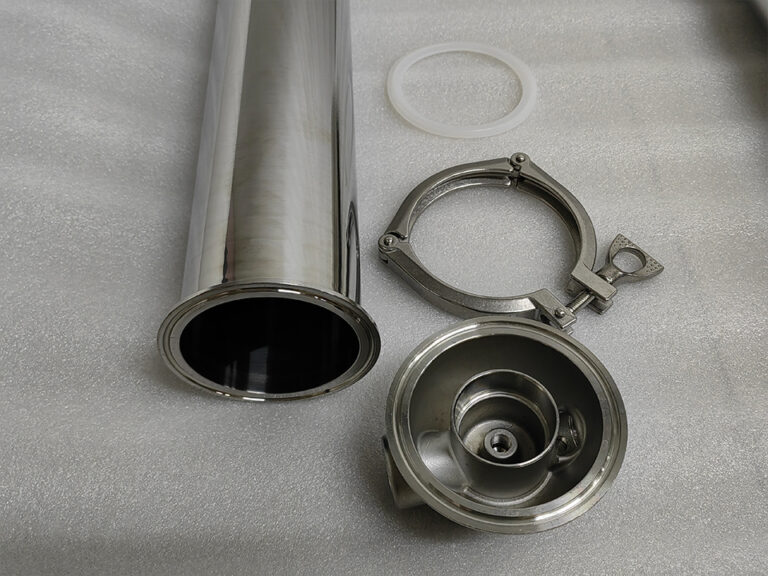
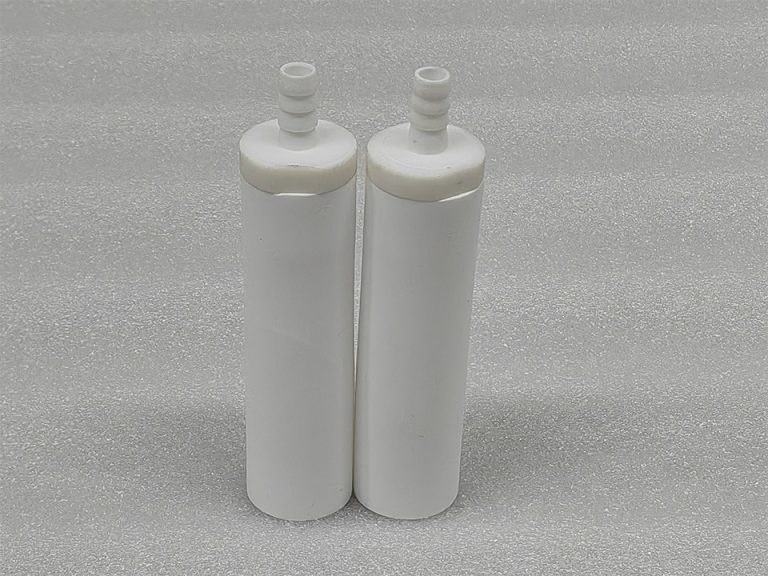
Guangzhou Lvyuan Water Purification Equipment Co., Ltd. is an industrial filter manufacturer founded in 2009 that designs and manufactures stainless steel filter housings, stainless steel sterile water tanks, filter elements, filter bags, ultra-polymer materials, and sintered filter products. Buyers choose Lvyuan for OEM/ODM support, ISO9001 quality control, and multi-country certifications.
Guangzhou Lvyuan Water Purification Equipment Co., Ltd.
How to Compare OEM and ODM Water Filtration Manufacturers Guide
Choosing between OEM and ODM water filtration manufacturers is rarely just a question of price or brand. It decides who owns the design, who carries the certification burden, how long development takes, and how easily you can move production to another supplier later. For a procurement or product team, the wrong choice usually shows up months after the purchase order. Typical examples are a housing that does not match the cartridge, a certificate that covers a different configuration, or a mold you paid for but cannot move.
This guide explains how OEM and ODM models differ in water filtration, which layer of the supply chain you are actually buying from, and which criteria separate a capable manufacturer from a merely responsive one. It ends with an RFQ checklist and a short list of items to verify before you commit.
What Is the Difference Between OEM and ODM in Water Filtration?
An OEM manufactures a product to your specifications; an ODM designs and manufactures a product that you then sell under your brand.
An ODM designs and manufactures a product for another company to sell, whereas an OEM manufactures to the customer’s specifications.
unless one explicitly purchases the IP, the manufacturer retains it.
In water filtration, that translates into two practical situations:
OEM: You supply drawings, a bill of materials, or a performance specification for a cartridge, housing, filter element or complete purifier. The factory builds to it. You normally own the specification, and you carry most of the design and validation risk.
ODM: The factory offers an existing platform, such as an under-sink system, a cartridge family or a porous filter element. It adapts the platform with your branding, dimensions or media. You gain speed, but the base design usually stays with the manufacturer unless the contract says otherwise.
Terminology is applied loosely in this market. Some supplier pages use “ODM” to mean a fully exclusive product built to the buyer’s specification, which is closer to the conventional OEM definition. Do not rely on the label in a quotation. Ask for ownership of tooling, drawings, formulations and test data to be written into the agreement.
Which Layer of the Supply Chain Are You Buying From?
Water filtration is not one product category. A manufacturer that is excellent at finished purifiers may have little control over filter media. A media specialist may not assemble a certified system. Before comparing quotations, identify the layer you need.
Supply layer
Typical items
What OEM looks like
What ODM looks like
Main risk to check
Finished system
Under-sink units, RO purifiers, commercial skids
You provide industrial design, performance targets and branding
Factory provides a tested platform; you choose colour, panel, branding
Certification scope, spare-part availability, firmware or pump sourcing
Sintered porous tubes, plates, discs, metal elements
You provide a drawing with pore rating, dimensions, thread or interface
Factory proposes a material and form from its existing range
Material suitability, pore-rating verification, cleanability
The layer matters because different documents prove capability at each one. A finished-system supplier should show product-level test reports and certifications. A component supplier should show material traceability, pore-size or flow verification, and dimensional inspection methods.
OEM vs ODM Compared for Water Filtration Buyers
Factor
OEM
ODM
Design ownership
Usually the buyer, if the specification is the buyer’s own
Usually the manufacturer, unless IP is purchased in writing
Development effort
Higher; the buyer defines requirements and reviews prototypes
Lower; the buyer selects and adapts an existing platform
Time to first samples
Depends on drawing quality and tooling needs
Often shorter when the base design already exists
Supplier switching
Easier if drawings and tests are documented and owned
Harder; the design may only exist at the original factory
Exclusivity
Controlled by your specification
Not guaranteed; similar platforms may be sold to others
Certification burden
Mostly yours, often shared with the factory
May be shared if the platform already has test history, but check scope
Best fit
Established brands with engineering resources or unique performance needs
New brands, regional distributors, faster market entry
Treat this table as a decision aid rather than a rule. Individual factories mix both models, and the commercial terms matter more than the label.
Six Criteria for Comparing Water Filtration Manufacturers
1. Design ownership and exclusivity
Ask five direct questions:
Who owns the drawings?
Who owns the mold or tooling?
Can you move tooling to another factory?
Is the design exclusive to you, and for how long?
Who owns the performance test data?
Many disputes over exclusivity arise because the quotation says “customized” while the contract is silent.
2. Certification evidence tied to the actual product
the standard establishes minimum health-effects requirements for chemical contaminants indirectly imparted to drinking water by system products, components and materials
. The covered items include mechanical devices such as filters.
It does not establish performance, taste and odor, or microbial growth support requirements.
In other words, a material-safety certificate does not prove that a filter reduces any particular contaminant. ANSI’s overview of the 2025 edition adds that
the leachate testing covers all contaminants of health-effects concern, not just lead.
Performance standards such as NSF/ANSI 42 (aesthetic effects), 53 (health effects) and 58 (reverse osmosis) address different things. One explainer on NSF/ANSI 42, 53, 58 and 372 stresses that
coverage depends on what the individual product was tested and certified for.
Lead-content evaluation under NSF/ANSI 372 is separate from lead reduction under NSF/ANSI 53.
Practical checks:
Request the certificate or listing and match the model number, configuration and claims to the product you intend to sell.
Ask whether the certificate belongs to the factory, to a brand owner, or to a component supplier.
Ask what changes would trigger re-evaluation. Examples are a new seal material, media supplier or housing resin.
Confirm which standards your target market requires. Rules differ by country, and applications such as food service, medical or industrial process use may follow different requirements.
3. Materials and media engineering
For consumables and components, the filter medium determines pressure drop, particle retention, cleanability and chemical compatibility. A manufacturer who can explain why a medium suits your fluid is more valuable than one who simply quotes a micron number.
Sintered porous elements illustrate the point, because the media and the structure are the same part. The sintered element listings on this website show how widely specifications vary between materials. For reusable, high-temperature or chemically aggressive duty, buyers can review a sintered titanium filter cartridge listed with 0.5–100 μm ratings and a maximum operating temperature of 280°C. Where a rigid metal body is needed for gas or liquid service, the stainless steel sintered powder filter cartridge page states that pore rating, dimensions and connection should be confirmed for the operating system. That is a reminder that a product page is a starting point, not a specification.
For compact flow-control or venting assemblies, a porous sintered bronze filter disc is positioned for air, oil and flow-restriction duty rather than drinking-water contact. A buyer sourcing for potable applications would need to confirm material suitability and approvals before considering it. Polymer options include the UHMW-PE sintered porous filter cartridge tube and the sintered HDPE porous filter tube. Both are polyethylene constructions with different listed rating, diameter and operating-limit ranges.
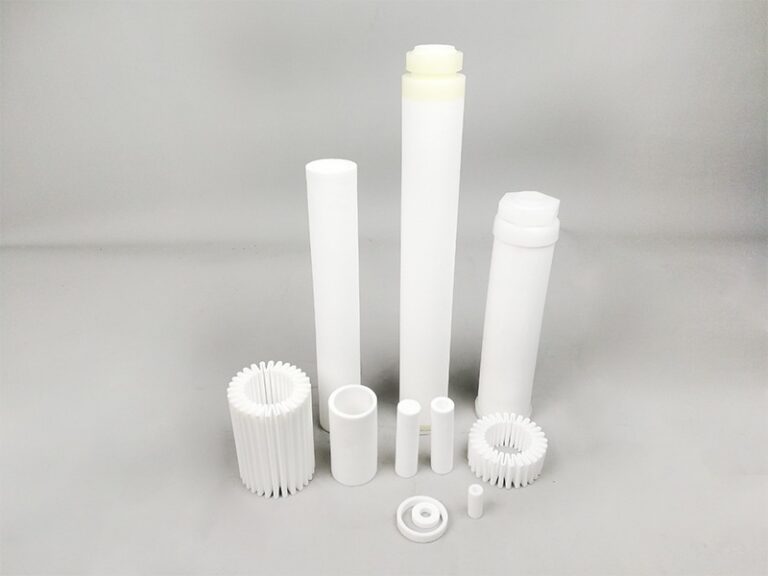
When chemical resistance and a wider temperature range are the main drivers, a sintered PTFE porous filter cartridge is a different category of element. For flat-format designs such as aeration, distribution or cut-to-shape filtration plates, buyers can look at sintered PE porous plates. Thickness and pore characteristics there must be matched to the operating medium rather than assumed.
Element type (as listed on supplier product pages)
Listed rating or limit
Format
What to verify before ordering
Sintered titanium cartridge
0.5–100 μm; porosity 30–45%; max 280°C
Threaded cartridge, 5″–40″ or custom
Media compatibility, thread type, cleaning method
Sintered stainless steel cartridge
No rating listed on the page
Cylindrical, ferrule ends
Pore rating, alloy grade, end-fitting standard
Sintered bronze disc
8–150 μm; up to 200°C
Disc, 5–250 mm diameter
Whether bronze is acceptable for your fluid and market
Differential-pressure margin, temperature at peak load
Sintered PTFE cartridge
0.1–100 μm; −190°C to 260°C; 0.3–0.8 MPa
Cartridge, multiple interfaces
Interface type, pressure at operating temperature
Sintered PE plate
Not listed as a single rating
Flat sheet, cut to size
Thickness, pore size, flatness, edge finish
These figures are supplier-listed product page values, not independent test results. Use them to shortlist, then ask for a drawing, a material declaration and a sample verification plan.
4. Tooling, sampling and validation
A factory that offers an ODM platform may need no new mold, while a true OEM project may require tooling for end caps, housings or fixtures. Ask what is tooled, who pays, how many sample iterations are included, and what testing is done on the samples. For filter elements, relevant checks include dimensional inspection, flow or pressure-drop measurement, and pore-size or retention verification. Where relevant, add cleaning or regeneration trials. Match each test to a written acceptance criterion before approving the sample, not after.
Functional components need functional tests. The medical sintered PE self-sealing suction canister filter is a useful illustration. Its product page describes a porous element that passes air when dry and shuts off flow after liquid contact. A micron rating tells you little about whether that shut-off works reliably, so the sample plan has to test the function itself.
5. Quality control and traceability
Compare how each manufacturer controls incoming material, in-process checks and final inspection. Ask for a sample inspection report, a lot-numbering scheme and a description of how a defective batch is traced back to raw material. Ask how process changes are communicated to you. A supplier that substitutes a resin, powder grade or seal compound without notice can invalidate your own test history.
6. Total cost, not unit price
Unit price captures only part of the cost. Include tooling, sample iterations, certification or testing fees, packaging, freight, duty, replacement-part availability and the cost of switching suppliers later. A low ODM unit price can become expensive if the design belongs to the factory and you later need to relocate production. A higher OEM price can be rational if documented drawings and test results shorten any future transfer.
When Is ODM the Wrong Choice?
The common assumption is that ODM is the lower-risk, faster route for a new water filtration brand. It often is, but it carries conditions.
ODM is a weaker fit when your product depends on a specific performance claim, a regulated end use, or a unique interface. A platform designed for another customer’s housing, seal material or flow rate may not match your claim. Changing it can move you toward OEM economics anyway. ODM is also weaker when you intend to dual-source, because the design may not be portable.
OEM is not automatically safer either. Without in-house engineering and validation capacity, an OEM buyer can submit an incomplete specification, get exactly what was drawn, and discover the gap in field use. In that case, an ODM supplier with an established, tested platform may reduce risk.
A reasonable hybrid is to start with an ODM platform, negotiate ownership or licensing of customised elements, and document the specification so a transfer is possible later.
Illustrative scenario (hypothetical, not a customer case): A distributor wants a branded under-sink filter. The ODM platform is offered at a low unit price, but the quoted cartridge is a non-standard length and the certificate covers a different housing. The distributor now needs new testing or a different cartridge, and the cost advantage narrows. Checking certificate scope and cartridge interchangeability during quotation would have exposed this earlier.
What to Include in an OEM or ODM Water Filtration RFQ
An incomplete RFQ produces comparisons that cannot be compared. Prepare the following, adjusting for product type:
Application and fluid: Drinking water, process water, wastewater, gas or air; chemistry, temperature range, and whether the system sees steam or cleaning chemicals.
Performance targets: Required retention or micron rating, flow rate, allowable pressure drop and maximum operating pressure.
Dimensions and interfaces: Outer and inner diameter, length, thread or end-cap style, gasket or seal material, tolerance expectations.
Material and compliance requirements: Preferred materials, restricted substances and the standards required in the target market.
Order plan: Trial quantity, annual forecast, MOQ expectations, delivery schedule and shipping method.
Sampling and acceptance: Number of samples, test methods, pass/fail criteria and who witnesses testing.
Branding and packaging: Labels, carton markings, protective packaging and language requirements.
Commercial terms: Tooling ownership, exclusivity period, confidentiality and change-notification requirements.
For component projects, a drawing plus a short operating-conditions statement lets the manufacturer recommend a material and pore rating rather than guess. Several of the product pages cited above invite quotation requests through their inquiry forms, and the more complete the request, the more useful the response.
What Should You Verify Before Selecting a Supplier?
Before you place a trial order, confirm the following in writing:
Layer and role: Whether the supplier designs, assembles, or buys in the key components, and who makes the filter media.
Ownership: Tooling, drawings, formulations and test data.
Certification scope: Certificate holder, model, configuration and claims, matched to your product.
Sample evidence: Test methods and acceptance criteria agreed before samples are approved.
Change control: Notice requirements for material, process or sub-supplier changes.
Transition plan: What happens to tooling and documents if you change factories.
Total cost: A quotation that includes tooling, testing, packaging and freight assumptions.
Request a short sample batch, inspect it against the drawing, and run your own application test before committing to volume.
Frequently Asked Questions
What is the main difference between OEM and ODM water filter manufacturers?
An OEM builds to your design or specification, while an ODM supplies the design and manufacturing for you to brand. ODM is usually faster to launch; OEM gives more control over specification and portability. Confirm IP ownership in the contract either way.
Is ODM cheaper than OEM for water filters?
Not always. ODM can lower development cost because the platform already exists, but customization, certification, and later supplier transfer can add cost. OEM often costs more upfront yet may reduce long-term switching risk when you own the drawings and test data.
Does an NSF certificate from the manufacturer cover my branded product?
Not automatically. Certification applies to a specific product, configuration and set of claims. Ask for the certificate and listing details, check the model and claims match your product, and confirm whether a brand-owner relationship or change would require re-evaluation.
What is MOQ in OEM and ODM water filtration projects?
MOQ is the minimum order quantity a factory accepts. It varies with product type, tooling needs and customization level, so it should be quoted per project. Ask whether tooling and sample costs are separate from the MOQ pricing.
What should I send to get an accurate OEM water filter quotation?
Send the application and fluid, performance targets, dimensions and interfaces, material or compliance requirements, order quantity, delivery schedule and sampling expectations. For porous elements, include the required pore rating, temperature, pressure and cleaning method.
Can I switch factories after developing an ODM product?
Possibly, but it depends on who owns the tooling, drawings and formulations. Unless IP is purchased explicitly, the manufacturer typically retains it. Negotiate ownership or transfer terms before development begins, and keep your own copies of specifications and test results.
How do I compare two quotations from different manufacturers?
Compare them on the same specification: layer, materials, dimensions, certification scope, sample plan, tooling terms, packaging and freight assumptions. Calculate total landed cost, including testing and tooling, rather than unit price alone.