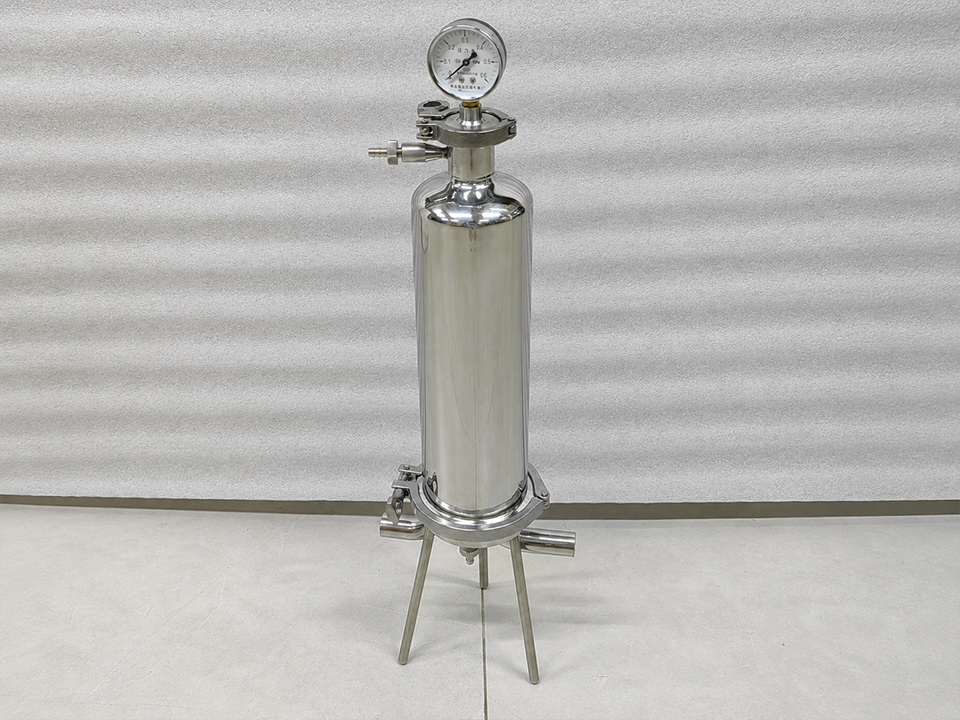
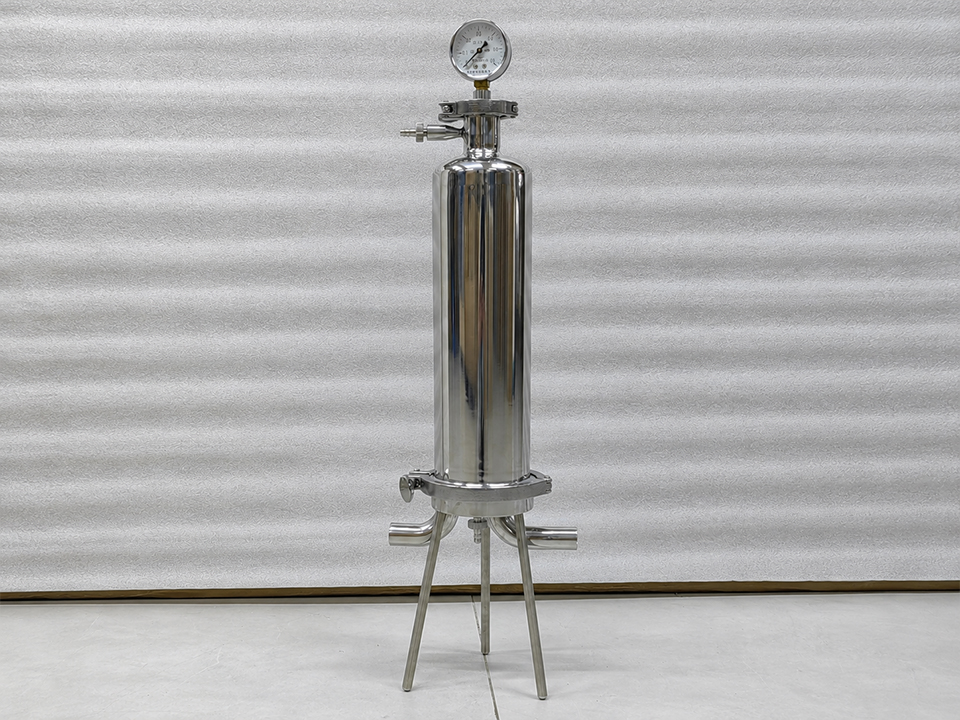
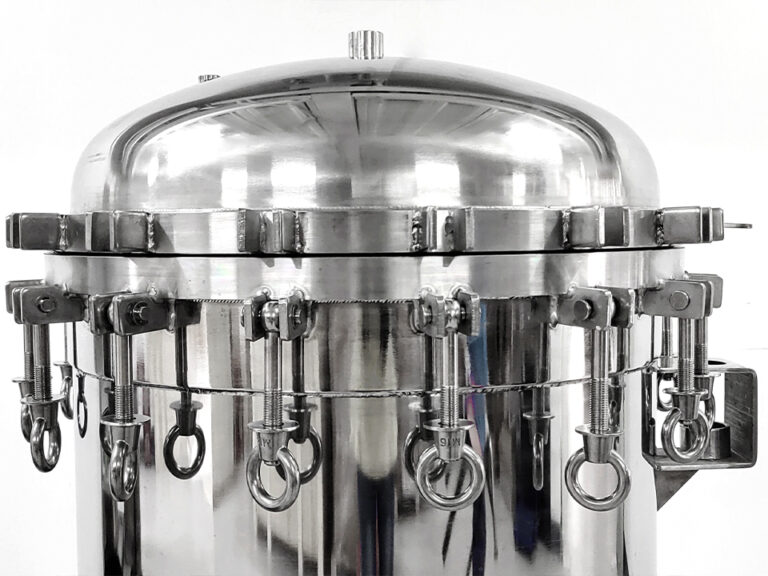
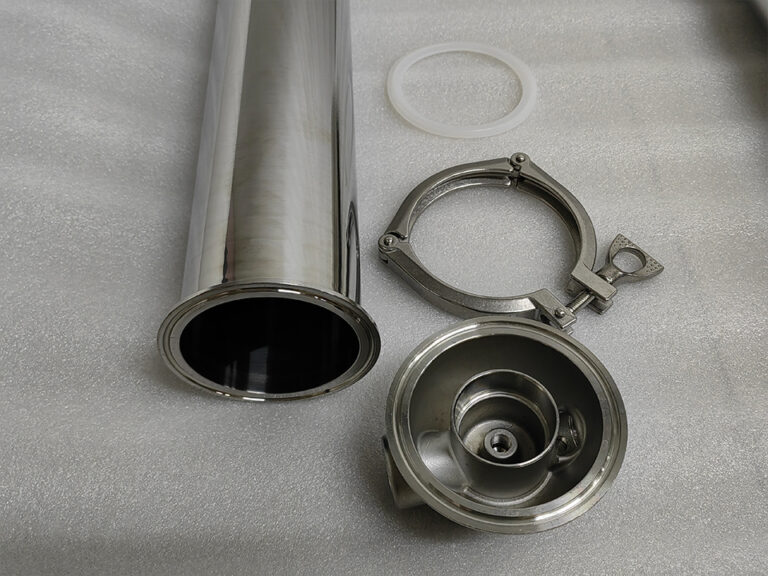
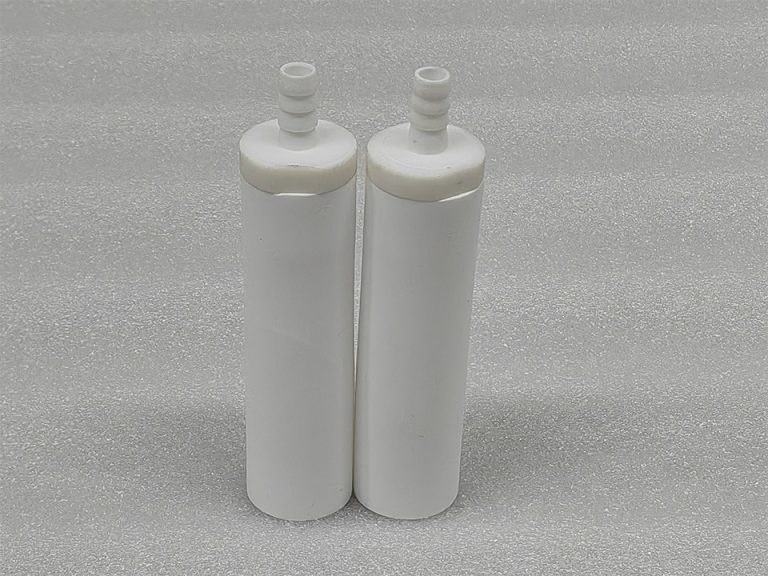
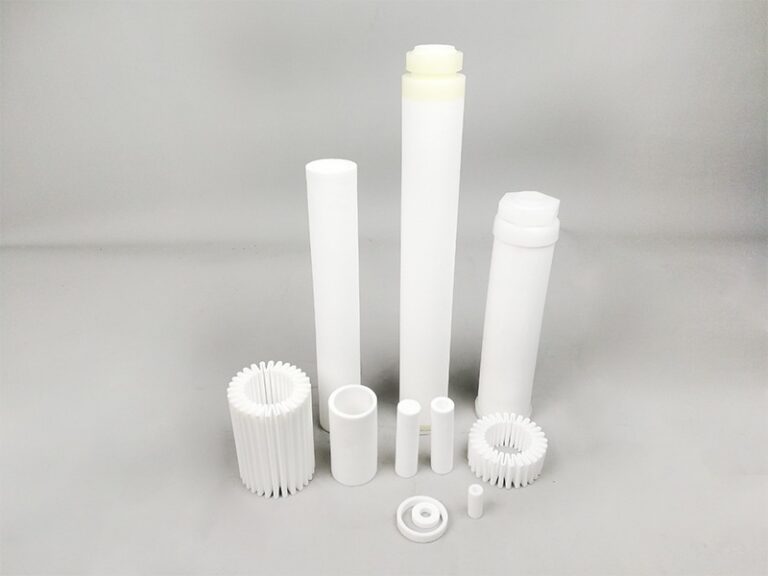
Guangzhou Lvyuan Water Purification Equipment Co., Ltd. is an industrial filter manufacturer founded in 2009 that designs and manufactures stainless steel filter housings, stainless steel sterile water tanks, filter elements, filter bags, ultra-polymer materials, and sintered filter products. Buyers choose Lvyuan for OEM/ODM support, ISO9001 quality control, and multi-country certifications.
Guangzhou Lvyuan Water Purification Equipment Co., Ltd.
Export Approval Checklist for Commercial RO System Buyers Guide
Approving a commercial reverse osmosis (RO) system for export takes more than signing a quotation and waiting for a container. Before the skid ships, the buyer needs evidence that the design matches the feed water, the paperwork matches the destination market, and the consumables can still be sourced after the first set is used up. This checklist covers the three sign-offs that matter: technical approval of the design basis, compliance approval for the destination country, and shipment approval after factory testing. It is written for procurement managers, importers, distributors and system integrators who buy RO equipment from overseas manufacturers and need to know what to request in writing, what to verify independently, and what to hand to a qualified local engineer or customs broker.
What Does “Export Approval” Mean for a Commercial RO System?
No single “export approval” certificate exists for commercial RO systems. In practice, export approval is a sequence of buyer sign-offs that happen before goods leave the factory:
Technical approval: the design basis, membrane selection, materials and pre-treatment are confirmed against your actual feed water and capacity target.
Compliance approval: the documents the destination market expects (safety, electrical, drinking-water-contact and customs data, where relevant) are issued for the exact model you are buying.
Shipment approval: a documented factory test, packing specification and export document set are reviewed before you release the shipment or final payment.
Export licensing, import permits and product certification rules differ by origin and destination country. Treat this guide as a framework for your discussions with a customs broker and compliance adviser, not as legal advice.
Export Approval Checklist for Commercial RO Systems
The table below summarizes what to request at each gate and what should make you pause. The sections that follow explain the items that cause the most disputes.
Checkpoint
What to request
What it proves
Red flag
Design basis sheet
Feed water analysis, design temperature, recovery, permeate target, capacity at stated temperature
The system was sized for your water, not a generic case
Capacity quoted without feed TDS or temperature
Component and membrane list
Membrane make and model, pressure vessels, pump, valves, instruments, wetted-part materials, datasheets
Performance claims can be traced to published element data
“Brand-equivalent” parts with no model numbers
Compliance documents
Declarations and certificates for the destination market, issued for the specific model
The product can be placed on the target market
Certificates that name a different model, factory or entity
Commercial invoice, packing list, certificate of origin, transport document, HS code, Incoterms
Customs clearance and payment documents agree
Descriptions or values differ between documents and nameplate
Lock the Design Basis Before Anything Else
Every later approval depends on the design basis. A commercial RO system is sized from feed water chemistry, temperature, target recovery and permeate quality, so two systems with the same nameplate capacity can behave very differently on the same site.
Ask the supplier to provide the membrane manufacturer’s projection output for your water, not only a marketing capacity figure. Then compare the design against the membrane maker’s limits. As one example, DuPont’s FilmTec operation and limiting conditions Tech Fact states that feedwater SDI (15 minutes, 30 psi) must be below 5.0 and that feedwater must not contain oxidizing agents such as chlorine, ozone or permanganate. Those figures belong to one manufacturer’s warranty conditions, so confirm the limits for the specific membrane model in your system rather than assuming they apply universally.
Three variables deserve a written answer before approval:
Temperature: permeate output changes with water temperature, so a capacity figure without a stated temperature cannot be compared between quotes.
Particulate load: if the feed is likely to exceed the membrane maker’s SDI limit, the pre-treatment train must be designed for it, not left to a single cartridge stage.
Oxidants: where chlorine is present, the design needs a dechlorination step. Activated carbon is a common approach, and combined media such as a 30-inch PP cotton and activated carbon composite cartridge pair particulate removal with carbon adsorption in one element. Ask the designer to show the contact time and expected change-out interval, because carbon capacity depends on chlorine level and flow.
Which Certificates Apply to a Commercial RO System?
Suppliers often present whatever certificates they hold, so buyers should first ask which standards are actually relevant to the product category.
NSF/ANSI 58 and NSF/ANSI 61 are not interchangeable
NSF/ANSI 58 covers point-of-use systems. The ANSI Webstore listing for NSF/ANSI 58-2023 describes point-of-use RO systems intended to reduce specific substances in drinking water considered microbiologically safe and of known quality. A certificate for a supplier’s small under-sink unit therefore says little about a multi-membrane commercial skid.
NSF/ANSI 61 works at a different level. According to NSF’s description of the standard, it sets minimum health-effects requirements for chemical contaminants and impurities indirectly imparted to drinking water from products, components and materials. If your system will produce potable water, ask whether wetted components such as vessels, fittings, tubing and seals carry certification, and whether it applies to the exact component models used.
Machinery and electrical documentation for EU-bound systems
For European markets, machinery safety documentation is a likely requirement. The EU-OSHA summary of Regulation (EU) 2023/1230 states that the Regulation replaces the Machinery Directive 2006/42/EC and applies from 20 January 2027. Because that date is close, ask any supplier shipping to the EU which framework its declaration of conformity follows, who holds the technical file, and what happens to units delivered around the changeover. Pressure equipment, electrical safety and electromagnetic compatibility documentation should be confirmed with your compliance adviser for your specific configuration.
Four checks that make any certificate usable
Model match: the certificate names the exact model or product family you are buying.
Entity match: the certified manufacturer and factory address match the supplier on the contract.
Validity: the certificate is current and can be confirmed with the issuing body.
Scope: it covers what the supplier says it covers. A component certificate does not certify the whole system.
Certificates Prove Compliance, Not Performance
A common assumption is that a complete certificate folder means the system is ready to approve. It does not. Certificates show that a product, or a component, met a defined test at some point. They do not show that your unit will deliver the quoted flow and rejection on your feed water.
That is why a witnessed factory test often tells you more than an additional certificate. A bigger folder can also hide a weaker position: a supplier with many certificates for a residential product line but no test data for the commercial skid. Treat certificates as the entry ticket, and the test report as the evidence of performance. The trade-off is cost and schedule, since witnessed testing needs coordination and sometimes a third-party inspector. For high-value or regulated applications, that cost can be small compared with a rejected or non-performing shipment.
Approve the Pre-Filtration and Consumables Specification
Most export checklists stop at the skid. Yet the cartridge pre-filter stage protects the membranes, and its format determines how easily the plant can be maintained in the destination country. Approving the skid while leaving the cartridge specification vague can leave the buyer dependent on a single source later.
Before approval, confirm the housing size, the cartridge length and diameter, the end connection and seal type, the micron rating, and the material. The rating and construction should come from the system designer and the membrane manufacturer’s guidance, not from the cartridge supplier’s catalogue.
Cartridge format
Typical role ahead of RO
What to verify before approving
Melt blown PP depth cartridge
Sediment and suspended particle removal
Micron rating, end connection, O-ring or gasket material, differential pressure at change-out
String wound cartridge
Depth filtration of particulate in liquids
Yarn material, micron rating, temperature limit, core material
Pleated PP cartridge
Particulate removal with greater filter area in the same housing
Pleat media rating, support structure, seal material, flow direction
High-flow large-format cartridge
Higher throughput in large housings
Housing compatibility, length, end-cap dimensions, flow direction
PP and activated carbon composite
Particulate removal plus adsorption of chlorine and organics
Carbon capacity, contact time, change-out interval
A note on naming: cartridge listings sometimes describe a part as “Pall-style” or “Parker-style” to indicate dimensional or interface compatibility. Ask for the actual dimensional drawing and seal material, and confirm the housing manufacturer’s requirements, instead of relying on the style label.
What a Factory Acceptance Test Should Show
A factory acceptance test (FAT) or pre-shipment inspection is the last point at which defects are cheap to fix. Agree the test protocol in the purchase order, not the week before shipment. At a minimum, the report should state:
Unit identification: model, serial number and membrane model, matching the nameplate and the packing list.
Test water: its source, TDS and temperature, since results from a different water are not comparable to your design basis.
Measured results: feed, concentrate and permeate flows, operating pressures, recovery and rejection, ideally with raw readings and not only a pass statement.
Safety and control checks: alarms, interlocks, low-pressure protection and emergency stop, and the electrical supply the unit was configured for.
Leak and integrity checks: pressure test of vessels, piping and fittings.
Photographs and video: the unit during testing, and during crating.
Do not invent acceptance thresholds. Take them from the design basis agreed in the contract, and apply the same tolerance to every competing quote. Buyers who want an independent view can appoint a third-party inspector, although the supplier should confirm access to the test in advance.
Export Packing, Documents and Customs Data
Shipment approval is partly a document-matching exercise. The core set normally includes a commercial invoice, packing list, certificate of origin where required, and a bill of lading or air waybill, but requirements depend on the route, the product and the customs authority.
Three consistency checks prevent most clearance delays:
One description everywhere: the product description, model and quantity should agree between the invoice, packing list, nameplate and certificates.
HS code agreed in advance: ask the supplier for its proposed classification and have your broker confirm it for the destination country, because customs authorities decide classification.
Incoterms stated clearly: specify who arranges freight, insurance and import clearance, and where risk transfers. Packing responsibility for sea freight should be in writing.
Also ask how membranes will be preserved during transit and whether any preservation or cleaning chemicals are shipped with the unit. If chemicals are included, confirm with the freight forwarder whether transport regulations apply.
What to Include in an RFQ for an Export RO Project
A complete RFQ shortens the approval cycle because suppliers can quote against the same assumptions. Include:
Feed water source and a recent water analysis, including temperature range
Required permeate flow and quality, and operating hours
Drinking-water or process-water end use
Destination country, voltage, frequency and site conditions
Required certificates and declarations, and the documentation language
Pre-treatment requirements and preferred cartridge formats
Spare parts and consumables for the first year
Test protocol, inspection rights and acceptance criteria
Incoterms, packing requirements and delivery schedule
Common Approval Mistakes and How to Avoid Them
Approving capacity without temperature. Result: the plant under-delivers in cold water. Fix: require the design temperature on the quote.
Accepting a residential-line certificate for a commercial skid. Result: no evidence that the commercial model complies. Fix: match the certificate to the model.
Ignoring pre-treatment. Result: fouled or damaged membranes. Fix: put cartridge specification and oxidant control in the approval list.
Leaving spare parts for later. Result: downtime waiting for imported parts. Fix: agree a first-year spares list before shipment.
Letting documents drift. Result: customs holds. Fix: audit all documents against the nameplate before the booking is confirmed.
What Should Buyers Verify Before Releasing Final Payment?
Before releasing the balance, confirm that you hold or have reviewed:
The signed design basis and the membrane projection for your water.
Compliance documents matching the model, entity and destination market.
The witnessed FAT report with serial numbers and raw readings.
The consumables and spares list with cartridge format, rating and end connection.
The packing plan, photographs of crating, and the final export document set.
If you are specifying pre-filter cartridges for an RO project, send the housing drawings, end-connection type, length, micron rating and expected annual quantity so the supplier can quote the same specification you approved for the skid. Keep that specification with the order file, so later reorders do not drift away from the approved design.
Frequently Asked Questions
Is there a single export approval certificate for commercial RO systems?
No. Export approval is a set of checks covering design, compliance documents, factory testing and shipping documents. The specific requirements depend on the origin country, destination country, end use and system configuration, so confirm them with a customs broker and compliance adviser.
Does NSF/ANSI 58 apply to commercial RO systems?
NSF/ANSI 58 addresses point-of-use RO drinking water systems. A certificate for a small point-of-use unit does not automatically cover a commercial skid. Ask for model-specific documentation and, for potable use, component-level drinking-water-contact certification such as NSF/ANSI 61.
What should a factory acceptance test report include?
It should identify the unit and membrane model, describe the test water and temperature, and list measured flows, pressures, recovery and rejection. It should also record alarm, interlock and leak checks, and include photographs. Acceptance criteria should come from the contract.
Why does pre-filter cartridge specification matter for export approval?
Pre-filters protect the RO membranes from particulate, and their format controls local replacement options. Approving the housing size, end connection, seal material and micron rating up front prevents compatibility problems and single-source dependence after commissioning.
What feed water limits apply to RO membranes?
They vary by membrane manufacturer and model. As an example, DuPont lists a feedwater SDI below 5.0 and no oxidizing agents such as chlorine for its FilmTec limiting conditions. Always check the datasheet for the membrane model in your system.
Which export documents should match the nameplate?
The commercial invoice, packing list, certificates and transport document should use the same model name, quantity and description as the nameplate. Differences can cause customs queries or reveal that a certificate was issued for another model.