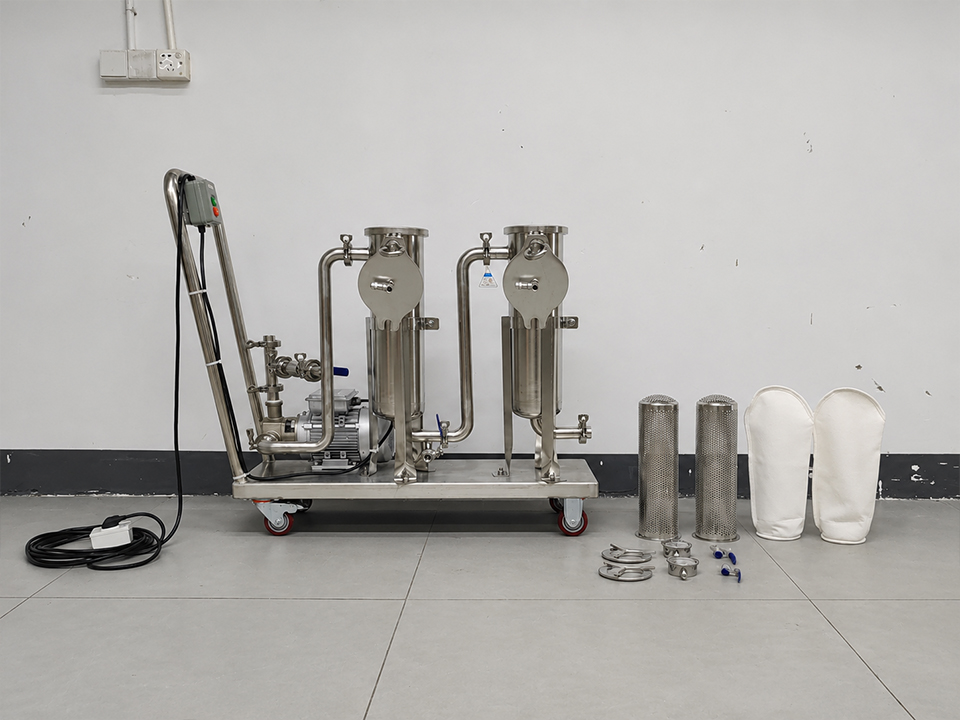
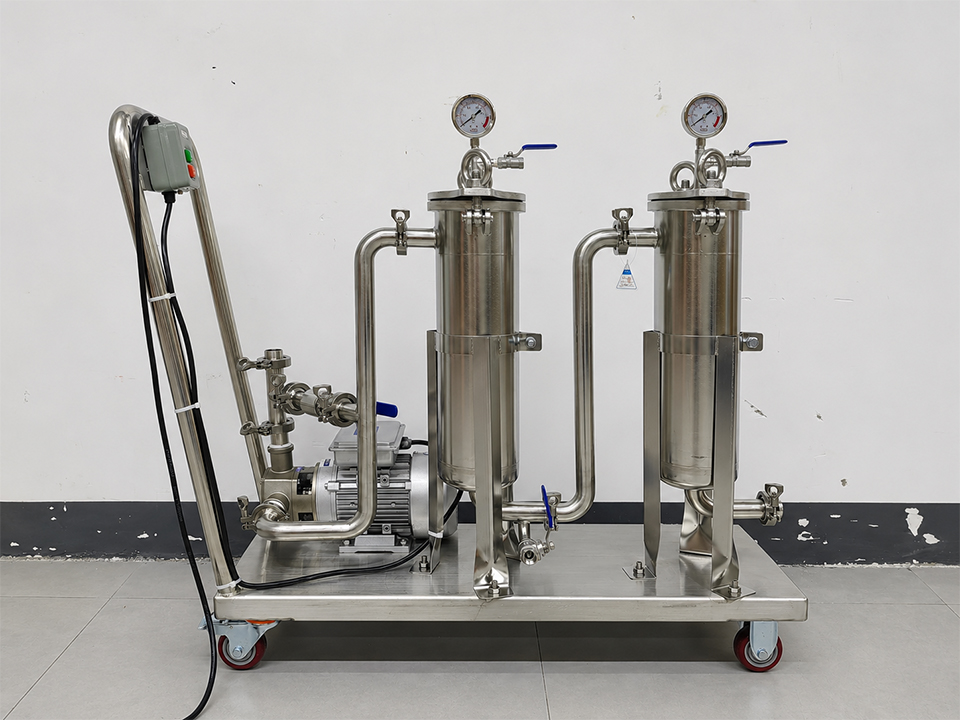
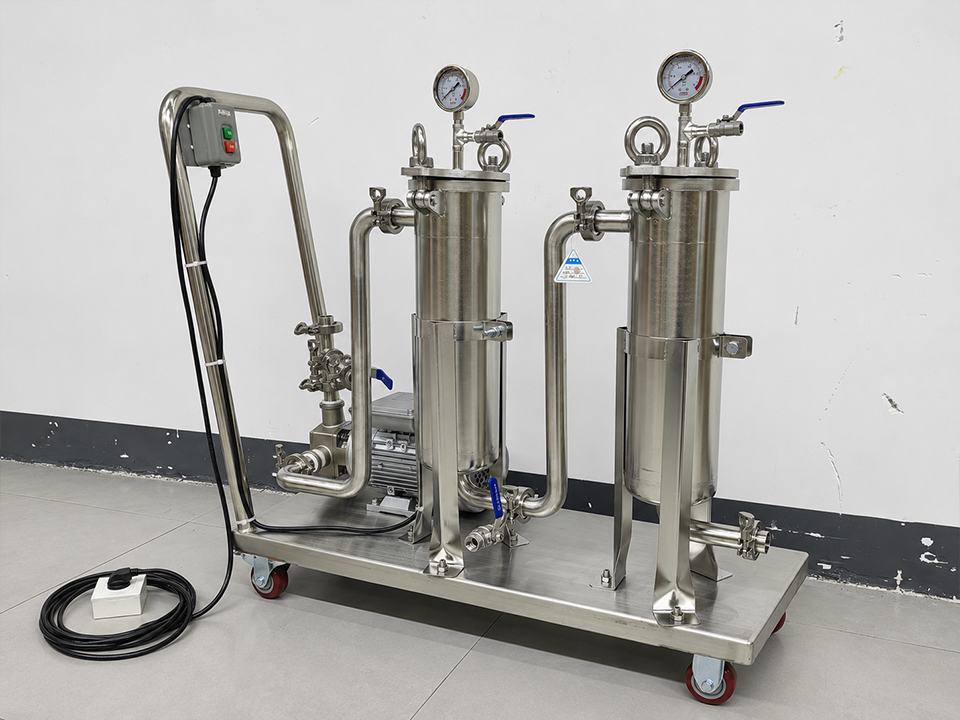
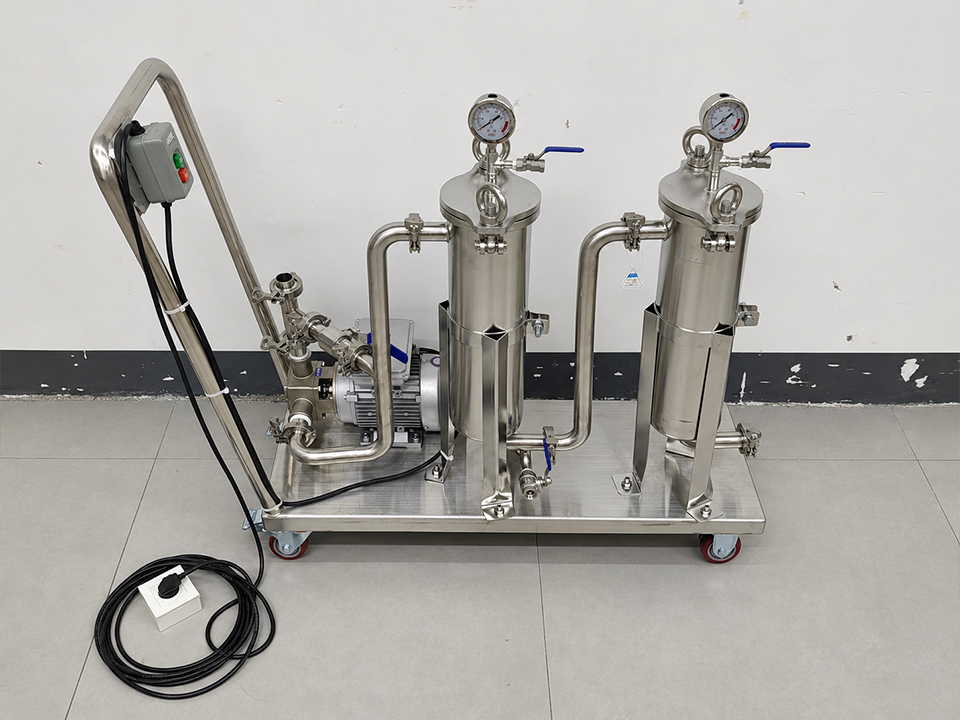
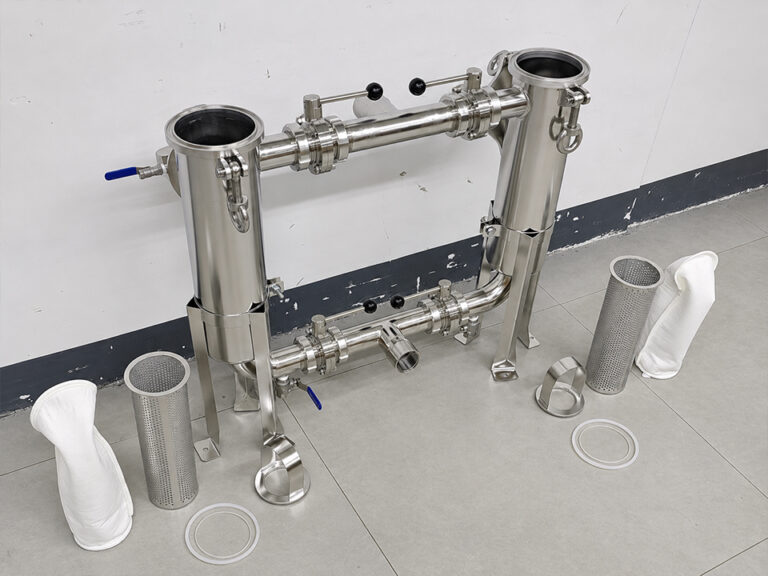
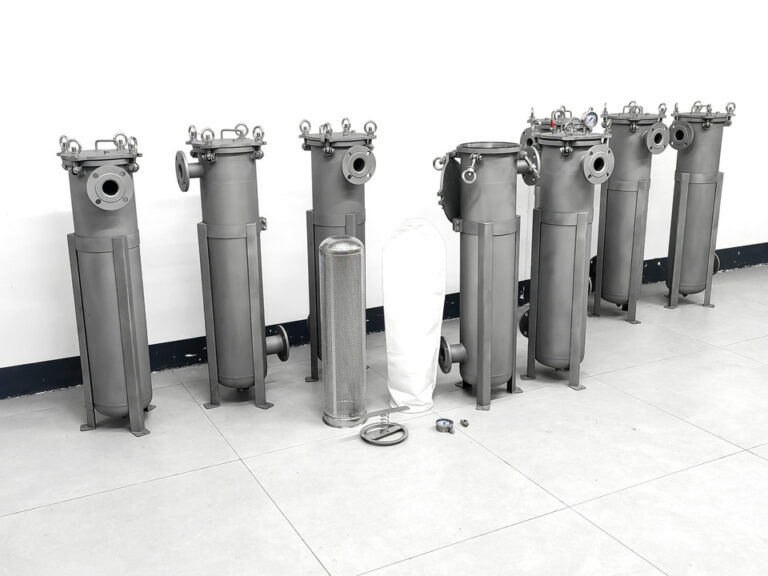
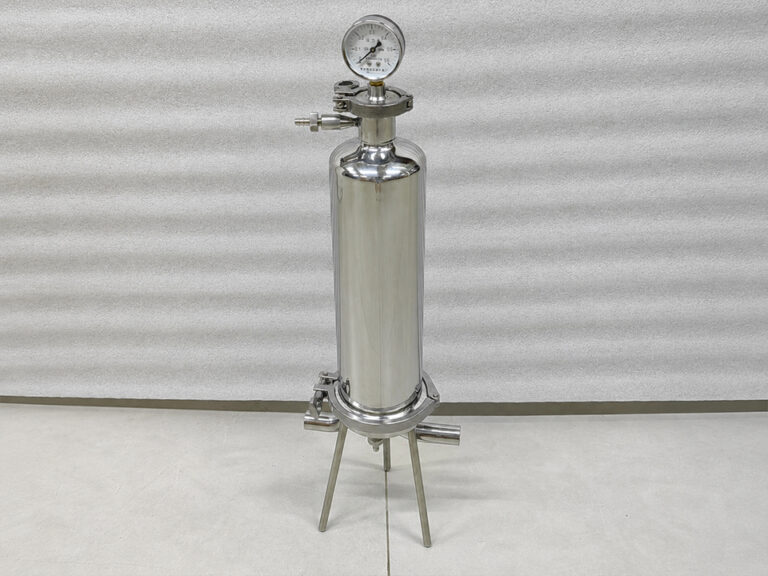
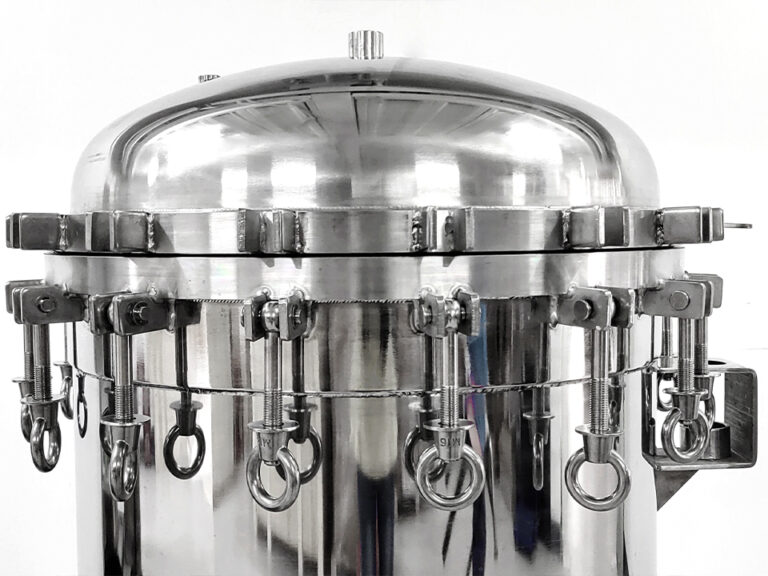
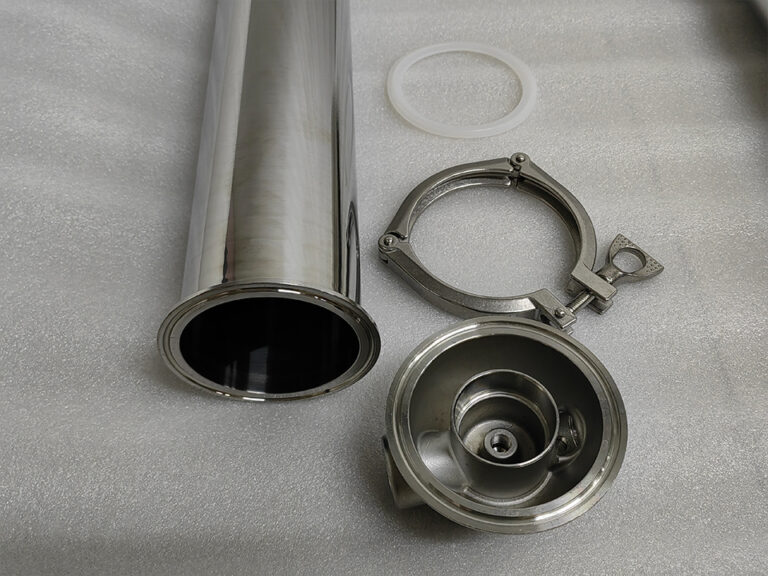
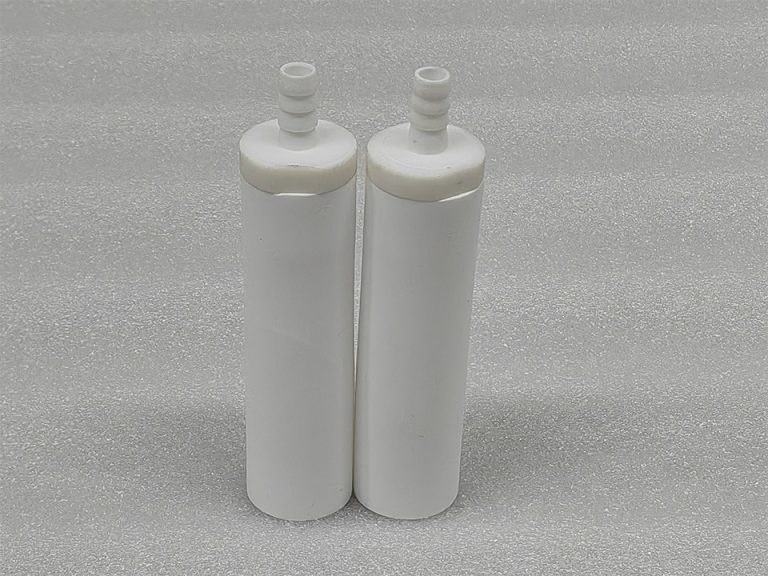
Guangzhou Lvyuan Water Purification Equipment Co., Ltd. is an industrial filter manufacturer founded in 2009 that designs and manufactures stainless steel filter housings, stainless steel sterile water tanks, filter elements, filter bags, ultra-polymer materials, and sintered filter products. Buyers choose Lvyuan for OEM/ODM support, ISO9001 quality control, and multi-country certifications.
Guangzhou Lvyuan Water Purification Equipment Co., Ltd.
Supplier Scorecard for Industrial Water Filtration Vendors Guide
A supplier scorecard turns vendor selection from a price comparison into a documented, repeatable decision. For industrial water filtration, that matters more than in many categories. A filter housing that looks identical on a quotation can differ in wall thickness, seal material, closure design, finish quality, pressure-test practice and the conditions under which its pressure rating is valid. Those differences show up later as leaks, bypass, corrosion, slow bag changes or failed audits.
This guide gives procurement managers, sourcing engineers, OEM buyers and plant operators a weighted scorecard they can adapt. It also covers the technical checkpoints that make the scores meaningful for bag filter housings, cartridge housings and multi-element vessels. The weights are a starting framework, not an industry standard.
Why Generic Vendor Scorecards Fall Short for Filtration Equipment
Most procurement scorecards weight price, delivery, quality and service in broad terms. That structure works for commodity parts, but filtration housings are application-dependent. The same vendor can be an excellent fit for a 10-bar stainless steel bag housing and a poor fit for a chemical-service PVDF vessel.
Three assumptions deserve scrutiny:
The lowest unit price is the lowest cost. Unit price excludes bag bypass, unplanned shutdowns, gasket replacement, freight damage, rework on mismatched connections and the engineering time spent resolving unclear specifications. Total landed cost and failure cost belong in the comparison.
A quality certificate proves product suitability. A management-system certificate shows that a documented quality system exists within a stated scope. It does not show that a particular housing suits your fluid, temperature and pressure. ISO 9001 defines requirements for establishing, implementing, maintaining and improving a quality management system. ISO lists ISO 9001:2026 as the current edition, with the 2015 edition withdrawn. When a vendor presents a certificate, check the edition, scope, issuing body and expiry date, then ask for product-level evidence.
A higher total score always means a better vendor. Scores average out strengths and weaknesses. A vendor with excellent delivery and poor material traceability can still reach a respectable total. For this reason, the scorecard below uses pass/fail gates before weighted scoring.
How to Build a Water Filtration Supplier Scorecard
Build the scorecard in two stages. First apply gates: minimum requirements any vendor must meet before being scored. Then score the remaining vendors against weighted criteria using evidence, not claims.
Stage 1: Set Pass/Fail Gates
Reasonable gates for filter housing vendors include:
The vendor states pressure and temperature ratings for each model together with the conditions that apply to them.
The vendor identifies wetted materials, including housing, basket, O-ring or gasket, and can confirm them in writing.
The vendor will provide samples or pre-shipment inspection records for your order.
The vendor can supply the documents your target market requires, or states clearly that it cannot.
A vendor that fails a gate is not scored. This prevents a low price from compensating for an unacceptable technical gap.
Stage 2: Weight the Criteria
The table below is an illustrative starting point. Adjust the weights to your application. A sanitary food or beverage line might raise finish and traceability. A project buyer with a fixed commissioning date might raise delivery reliability.
Criterion
Suggested weight
What to evaluate
Evidence to request
Technical fit
25
Material compatibility, rated conditions, configuration, closure type
Datasheet with rating conditions, drawing, seal and bag options
Quality control and traceability
20
Incoming material checks, weld and leak testing, final inspection, batch or heat records
Inspection report samples, test procedure, material certificate sample
Compliance and documentation
15
Quality-system certificate scope, regional pressure-equipment and material-contact requirements
Certificates with scope and expiry, declarations of conformity where applicable
Total landed cost
15
Unit price, tooling, spares, freight, packaging, duties, expected maintenance
Itemized quotation with Incoterms and packing details
Delivery reliability
10
Quoted lead time, sample lead time, production scheduling, communication on delays
Written lead-time basis, references on past delivery performance
Engineering and communication
10
Speed and accuracy of technical answers, willingness to flag unsuitable choices
Response quality to a pre-written technical question set
Drawing revision control process, repeat-order examples
Score each criterion from 0 to 4:
0 means no evidence.
1 means a claim without documents.
2 means partial documentation.
3 means documented and consistent.
4 means documented and independently verified through a sample, audit or third party.
Multiply each score by its weight divided by 4, then add the results for a 100-point total.
Technical Fit: What to Verify Before Scoring
Technical fit carries the largest weight because it is the criterion a vendor can least afford to get wrong. Score it using the checkpoints below.
Are the Pressure and Temperature Ratings Stated With Conditions?
Pressure and temperature ratings for plastic housings are interdependent. Published ratings are often valid at a reference temperature and decline as temperature rises. LYFilter’s PP industrial bag filter housing page, for example, lists a maximum of 6 bar at 20°C, with a maximum of 60°C subject to pressure derating. It also states that flow rate depends on bag size, viscosity and pressure drop. A figure given without such conditions should lower a vendor’s score, not raise it.
Stainless steel pages follow the same logic. LYFilter’s stainless steel single bag filter housing lists operating temperature up to 120°C but specifies that this depends on the seal and bag material. The seal and bag, not the housing body, can be the limiting components.
Which Housing Material Matches the Fluid and Temperature?
Material selection is the first technical question to put to every vendor. Ask which fluids the vendor has supplied for, what chemical-compatibility data it relies on, and which seal compounds it recommends. The table compares figures published on LYFilter’s product pages for specific models. They are not universal properties of each material, and they should be re-confirmed for the exact model and conditions in your RFQ.
Housing type (published model)
Published pressure
Published temperature
Typical fit (general guidance)
What to verify
PP bag housing
6 bar at 20°C
Max 60°C, derated
Water and mild process liquids at moderate temperature
Derating curve; basket material
UPVC bag housing
Max 6 bar, subject to conditions
Max 50°C, derated
Lower-temperature liquids where PVC compatibility is confirmed
Temperature limit against actual process; flange standard
PPH cartridge housing
Up to 8 bar
Up to 90°C
Higher-temperature water and process liquids in plastic
Seal compound; cartridge length
PVDF bag housing
Max 6.9 bar (100 psi)
Max 100°C
Aggressive or chemical liquids
Exact fluid and concentration; seal compound
FRP multi-cartridge housing
Up to 10 bar
Up to 60°C
Multi-cartridge duty where non-metallic construction is required
Liner option; connection standard
SS304/316L bag housing
Max 10 bar
Up to 120°C, seal and bag dependent
High-pressure, higher-temperature or sanitary duty
Grade; finish; weld quality; seal compound
Do not compare headline numbers across tables without comparing their stated conditions. A 6 bar rating at 20°C and an 8 bar rating that applies over a different temperature range are not equivalent.
Buyers comparing plastics for chemical service have several options. A PVDF chemical-resistant bag filter housing suits more aggressive liquids, whereas a UPVC bag filter housing usually carries a lower temperature limit. For general-purpose plastic cartridge duty, a PPH industrial plastic filter housing provides a higher published pressure and temperature range than the PP bag model above. Stainless steel is the alternative when pressure, temperature or sanitary requirements exceed what plastic can handle. In stainless steel, 316L is generally chosen over 304 where chloride exposure or aggressive cleaning is expected. The grade should still be tied to the actual fluid and cleaning regime.
Does the Filtration Format Match the Application?
Format determines running cost and servicing time.
Single-bag housings suit smaller flows and pre-filtration. A compact PPH single-bag housing with threaded ports uses a Size 4 bag, while stainless models take #1 and #2 bags (listed as Ø180 × 430 mm and Ø180 × 810 mm).
Multi-bag housings increase surface area and flow for larger systems. The listed range for a stainless steel multi-bag filter housing is 3 to 12 bags with flanged connections up to 8 inches.
Score a vendor higher when it asks about flow rate, viscosity, solids loading and target pressure drop before recommending a format. A vendor that quotes instantly without asking is signaling that it is selling a catalogue item, not engineering a fit.
Does the Closure and Entry Design Support Your Maintenance Routine?
Closure design affects both sealing reliability and downtime. A top-entry stainless steel bag filter housing uses a swing-bolt cover with a support basket. A side-entry stainless steel bag filter housing uses a quick-opening cover and a side inlet with bottom outlet. A domed-cover single bag filter housing provides another cover configuration for process water, chemicals, coatings and oils. Ask the vendor how basket seating, bag-ring fit and cover gasket compression are checked, since a poorly seated bag ring lets unfiltered liquid bypass the bag.
For food, beverage and pharmaceutical-adjacent processes, finish and connection style become scoring items. A sanitary tri-clamp bag filter housing is listed with tri-clamp or threaded connections and brushed, mirror-polished or sandblasted finishes. Ask for the surface roughness the vendor can document, and do not accept “mirror polish” as a specification on its own.
Quality Control, Certification and Compliance Evidence
Quality scoring should reward evidence of process, not statements of intent. Useful requests include:
A sample inspection report showing what is measured: dimensions, weld appearance, leak or pressure test, and finish.
Material certificates or traceability records for stainless steel, and resin grade information for plastic housings.
A description of how drawing revisions are controlled so a repeat order matches the approved sample.
The quality-system certificate with edition, scope, issuing body and expiry date.
For shipments to the European Union, ask whether the specific housing falls within Directive 2014/68/EU on pressure equipment, which governs the making available of pressure equipment on the EU market. If it does, ask which conformity documentation applies. Requirements elsewhere differ by country, so ask the vendor to name the rules it believes apply to your destination instead of accepting a generic “CE” or “certified” statement. If the housing will contact potable water, confirm which material-contact approval your market requires and whether it covers the exact component, not just the raw material.
Treat a vendor’s statement that a certificate “covers the product” with caution until you have read the certificate’s scope.
Scoring Total Landed Cost and Delivery Reliability
Cost scoring should compare itemized quotations on the same basis: same material grade, same seals, same connections, same accessories, same packing and the same Incoterms. Common cost drivers in filter housings include:
material grade (SS304 versus SS316L, or plastic type)
wall thickness and weld finishing
surface treatment
accessories such as pressure gauges and vent or drain valves
connection type
custom tooling for plastic parts
export packing
Delivery scoring needs a basis. Ask what the lead time includes: material procurement, machining or molding, welding, polishing, testing and packing. Then ask how the vendor communicates delays. After the first order, replace claims with actual delivery data.
Consider a hypothetical illustration. Vendor A quotes the lowest unit price on a 316L multi-bag housing but cannot state the temperature conditions for its pressure rating and offers no inspection sample. Vendor B is 8% higher but provides a rating sheet, a sample inspection report and a clear packing specification. Vendor A fails the first gate and is never scored. Without gates, its price advantage might have outweighed its documentation gaps in a weighted total. This example is illustrative, not a real customer case.
Running the Evaluation: Samples, Questions and Red Flags
A practical sequence keeps the process short:
Issue the same RFQ and technical question set to every shortlisted vendor.
Apply the gates and eliminate vendors that fail.
Score the remaining vendors independently, using a team of at least a buyer and an engineer, then reconcile differences.
Order samples for the top two or three and inspect them against the quoted specification.
Record actual performance on the first production order and update the scores.
Common red flags include ratings without conditions, reluctance to name seal materials, and quoting before asking about the fluid. Others are inconsistent answers between salesperson and engineer, certificates without scope, and samples that differ from the drawing.
What Should Buyers Specify Before Requesting a Quote?
An incomplete RFQ produces quotations that cannot be compared. Prepare the following, and note which items you cannot yet define:
Fluid and process conditions: fluid type, concentration, normal and peak temperature, operating pressure, flow rate and viscosity.
Filtration requirement: bag or cartridge format, bag size, micron rating, expected solids load and acceptable pressure drop.
Housing specification: material and grade, single or multi-element, closure type, connection type and size, finish, seal material and accessories.
Quality and documentation: inspection and test requirements, material certificates, quality-system certificate and market-specific compliance documents.
Commercial terms: quantity, repeat-order forecast, delivery schedule, Incoterms, packing requirements, sample requirements and any private-label or marking needs.
Target market: the destination country, since it determines which pressure-equipment and material-contact rules a vendor must address.
Send this list with a short technical question set and score the responses. If you already know your required housing family, you can browse the product pages linked above and quote model names in the RFQ to reduce misinterpretation.
Frequently Asked Questions
What is a supplier scorecard for industrial water filtration vendors?
It is a weighted evaluation tool that rates vendors on defined criteria such as technical fit, quality control, documentation, total landed cost, delivery and engineering support. Scores rely on requested evidence, so different vendors can be compared consistently.
Which criteria should have the highest weight?
Technical fit and quality control usually deserve the highest weights because they determine whether a housing performs safely in your process. Price should still be scored, but only after gates confirm that the vendor meets minimum technical and documentation requirements.
Is an ISO 9001 certificate enough to approve a filter housing vendor?
No. ISO 9001 relates to a quality management system, not the suitability of a specific housing. Check the edition, scope and expiry, then request product-level evidence such as inspection reports, material records and test procedures.
How should I compare pressure ratings between suppliers?
Compare the rating together with its stated conditions, particularly temperature, seal material and bag or cartridge type. A rating quoted at 20°C is not equivalent to one that applies at higher temperature, so ask for derating data.
Should I choose stainless steel or plastic filter housings?
It depends on fluid, temperature, pressure and cleanliness requirements. Plastics such as PPH or PVDF can suit corrosive liquids within their published limits. Stainless steel is typically chosen for higher pressure, higher temperature or sanitary service. Confirm using compatibility data.
What should I ask for before approving a first order?
Request a sample or pre-shipment inspection report, written material and seal specifications, a rating sheet with conditions, packing details and a drawing for approval. Compare the sample against the drawing before releasing the full order.
How often should vendor scores be updated?
Update scores after the first production order and then at regular review points, such as annually or after any quality or delivery incident. Replace vendor claims with measured delivery, defect and response data as it becomes available.