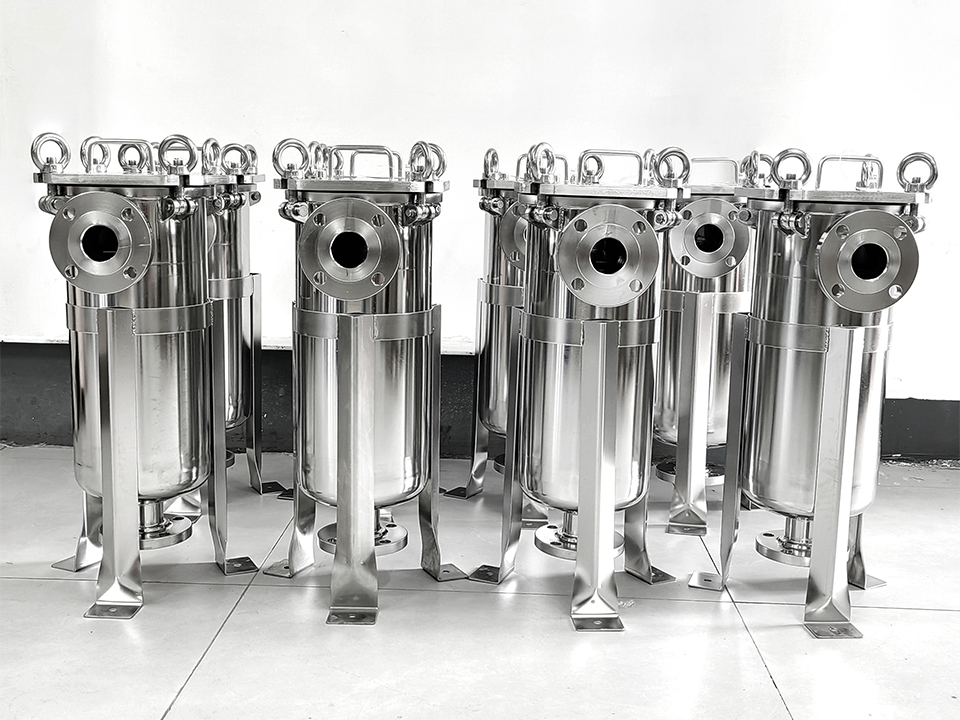
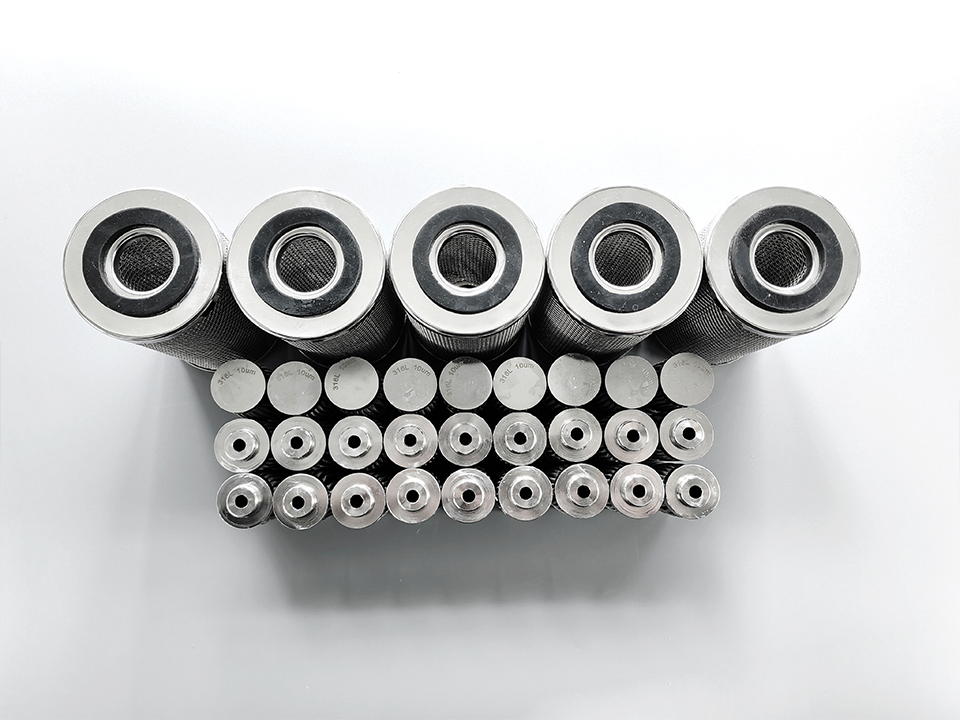
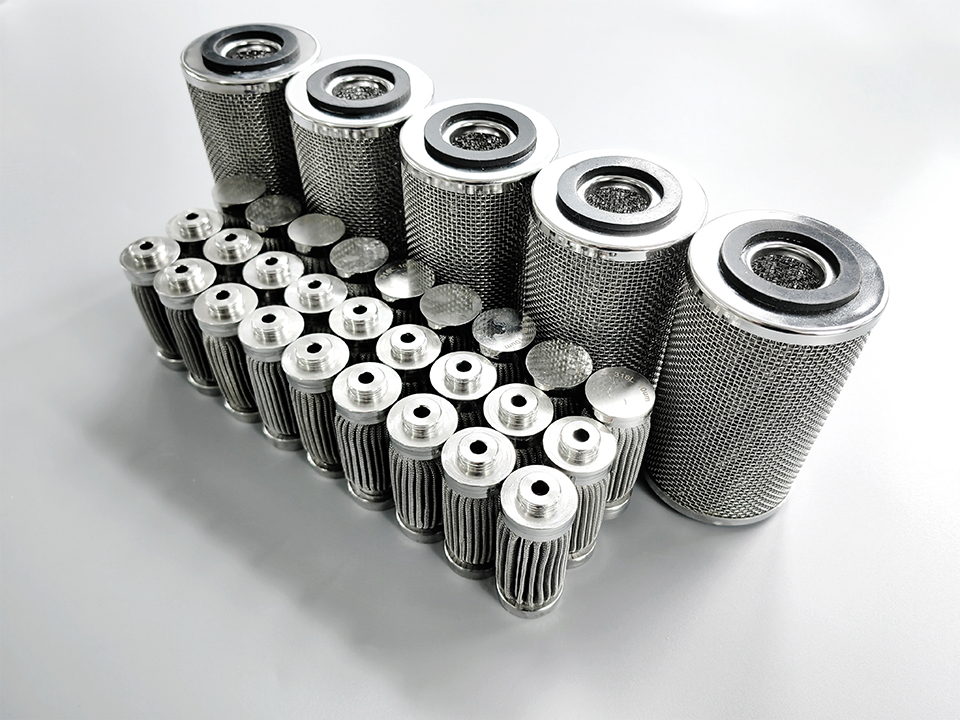
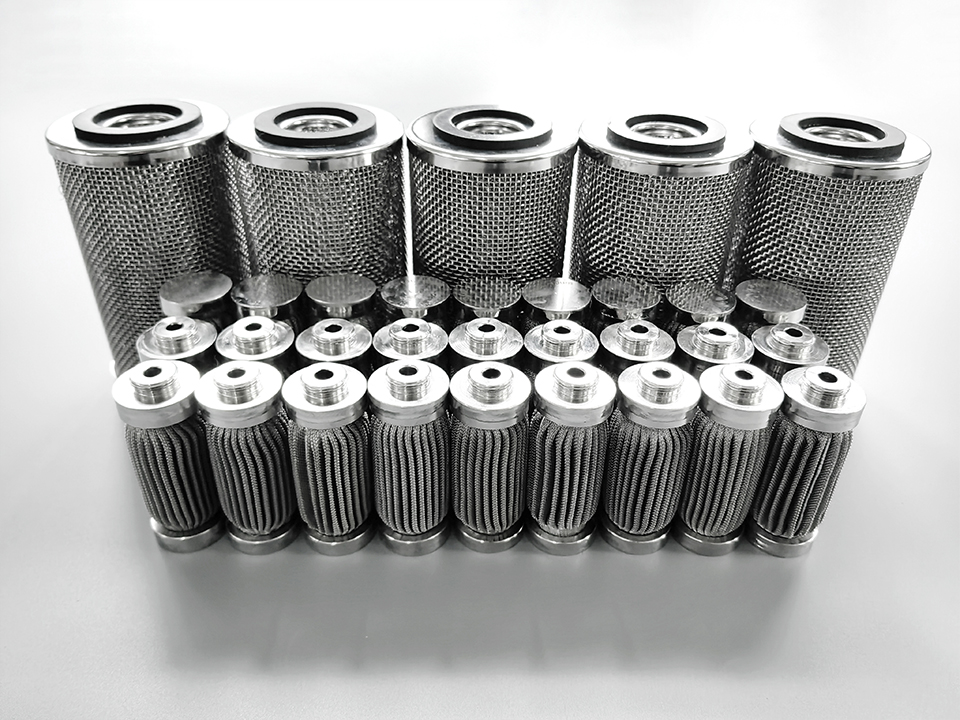
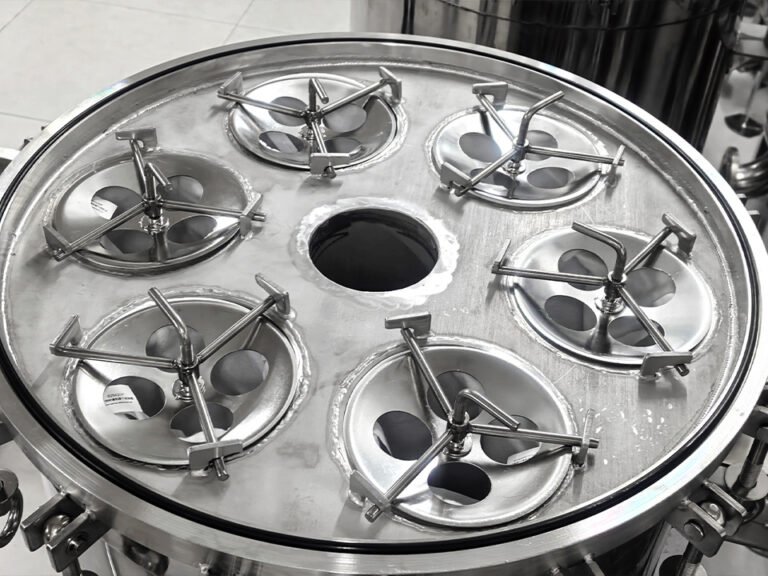
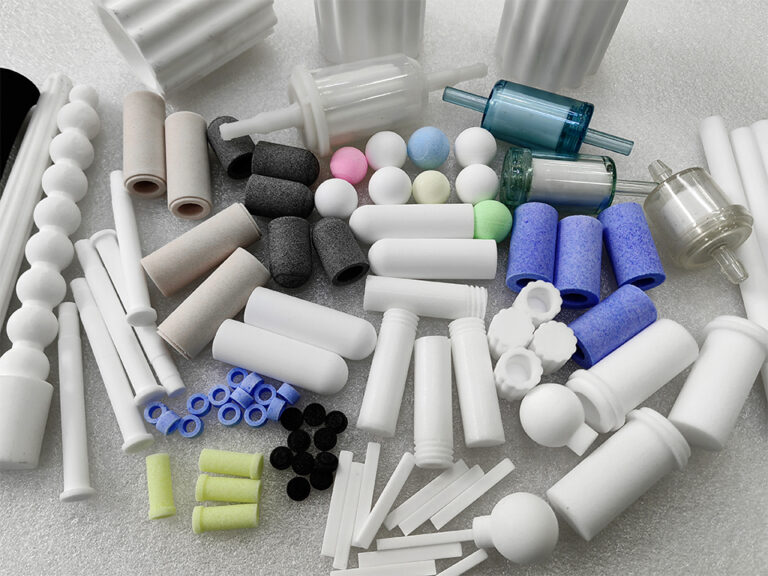
Guangzhou Lvyuan Water Purification Equipment Co., Ltd. is an industrial filter manufacturer founded in 2009 that designs and manufactures stainless steel filter housings, stainless steel sterile water tanks, filter elements, filter bags, ultra-polymer materials, and sintered filter products. Buyers choose Lvyuan for OEM/ODM support, ISO9001 quality control, and multi-country certifications.
Guangzhou Lvyuan Water Purification Equipment Co., Ltd.
Troubleshooting Filter Housings in High-Temperature Service
When a filter housing fails in hot service, the stainless steel shell is rarely the part that gave up first. More often the cause is a seal that has taken a compression set, a clamp or flange joint that loosened during thermal cycling, a cartridge that could not handle its differential pressure at temperature, or a rating that was read as one number when it is really a pressure–temperature combination. This guide helps procurement managers, plant engineers and maintenance teams diagnose the most common problems in high-temperature filter housing service: leaks, rising pressure drop, element damage, corrosion and cracking, and unsafe opening. It also lists what to confirm with a supplier before ordering a replacement or a new housing.
Why Do Filter Housings Fail in High-Temperature Service?
Most failures start at the weakest component, not the strongest one. A filter housing is an assembly of four layers, and each has its own temperature limit:
Shell and welds: SS304 or SS316L vessel, flanges or clamp ferrules.
Seals and gaskets: the lid O-ring, port gaskets and any clamp gaskets.
Filter element: the media, end caps, core and support structure.
Accessories: pressure gauges, vent and drain valves, and isolation valves.
Heat acts on all four at once. It changes how much pressure the assembly can hold, how elastomers behave, how viscosity affects pressure drop, and how tightly a joint stays clamped after cooling.
This is why a single “stainless steel, high-temperature” label tells a buyer very little. Published ratings on the same material grade vary with configuration. Lvyuan lists a maximum of 90°C and 10 bar for its SS304/316L multi-cartridge filter housing, but 120°C and 10 bar for its stainless steel inline filter housing. The gap most likely reflects design, closure, seal and accessory choices rather than the steel grade. The practical rule is that the lowest-rated component sets the working limit of the whole assembly.
Symptom-to-Cause Table for Hot-Service Filter Housings
Use this table to narrow down a problem before changing parts. It lists likely causes, not confirmed diagnoses; the right fix depends on the fluid, seal compound and operating cycle.
Symptom
Likely causes in hot service
Check first
Corrective direction
Leak at lid or clamp after heat-up
Seal compression set, wrong elastomer, damaged sealing face, joint relaxed after thermal cycling
Seal compound and age, groove and face condition, closure tightening against the manufacturer’s procedure
Replace the seal with a compound rated for the fluid and temperature; re-seat the closure
Leak that appears on cool-down
Differential contraction of body, flange and gasket; hardened seal that no longer recovers
Whether the seal has taken a permanent set; bolt or clamp condition
Change seal compound or gasket type; review heat-up and cool-down rate
Pressure drop climbs faster than at ambient
Higher particle load (for example scale in steam lines), media blinding, wrong baseline
Clean-element pressure drop measured hot, upstream contamination source
Add coarse prefiltration; re-specify micron rating; set a hot baseline
Particles downstream
Damaged or collapsed element, seal not seated, bypass around end cap
Element condition, end-cap seal, cartridge style and fit
Replace the element; confirm the cartridge interface matches the housing
Deformed or collapsed cartridge
Differential pressure above the element’s limit at temperature, pressure reversal on shutdown
Element temperature and differential pressure rating; shutdown procedure
Select a rigid or core-supported element; add check valves or procedural controls
Pitting, staining or cracks near welds and clamp contact points
Chloride-bearing media or cleaning water, crevices under gaskets, residual stress
Chloride content of process and cleaning water; location of damage
Review the cleaning chemistry; consider materials designed for chloride service
Gauge or vent weeps, reads erratically
Accessory rated below the shell, condensate or heat in the gauge line
Accessory ratings and fitting seals
Specify accessories to the same temperature as the shell
Why Is a Filter Housing Leaking at High Temperature?
A leak that appears or worsens when the line heats up most often traces to the sealing system. Three mechanisms recur.
Compound and temperature mismatch. Elastomers differ in temperature limit and in fluid compatibility, so a seal rated for the temperature may still fail in the wrong medium. One O-ring material comparison summarizes the usual starting point: EPDM for water and steam, FKM for heat, oils and chemicals. That means FKM is not automatically the “higher-grade” choice for a steam line, and EPDM is a poor fit for hot oil. Datasheets for the specific compound, not the family name, should decide the selection.
Compression set and thermal cycling. A seal held under compression at temperature gradually loses its ability to spring back. After several heat-up and cool-down cycles it can seal while hot and leak when cold, or the reverse. Frequent cycling can therefore shorten seal life more than steady operation at the same peak temperature.
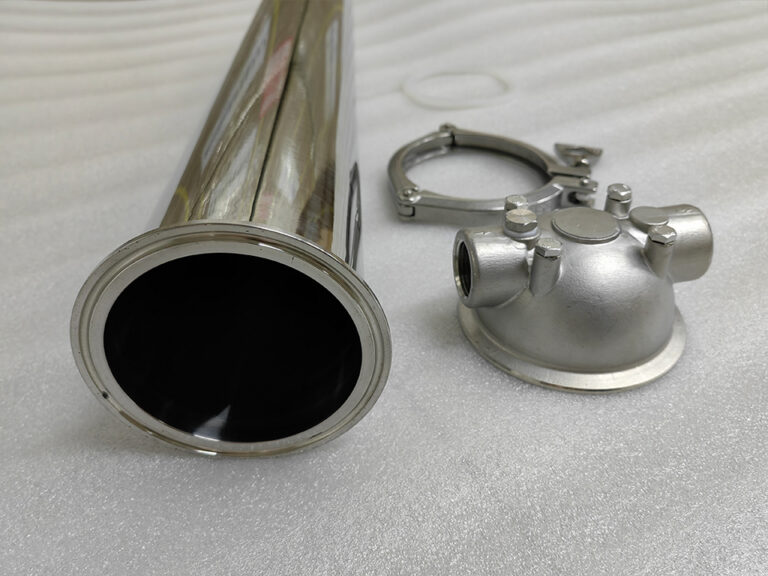
Closure design. Each joint type loosens differently in service. The CUNO-style SS filter housing combines a sanitary clamp closure with threaded inlet and outlet ports, so thread sealing adds a second leak path to check. The stainless steel sanitary cartridge filter housing uses a clamp-band quick-opening closure and clamp connections. Clamp joints depend on a clean, correctly seated gasket, so worn gaskets and tightening that ignores the manufacturer’s instructions are typical culprits. Bolted flanges depend on even bolt loading and a gasket that tolerates the temperature.
Before replacing anything, record the seal compound, installation date, number of heat cycles, and whether the leak appears hot, cold or both. That usually identifies the cause faster than a teardown.
Why Temperature and Pressure Ratings Are Not Independent
A housing listed with a maximum pressure and a maximum temperature does not necessarily support both at the same moment. In steam service the two are physically linked. The Spirax Sarco steam tables show that saturated steam at 0 bar g is at 100°C, at 3 bar g it is 144°C, at 4 bar g it is 152°C, and at 7 bar g it is 170°C.
A hypothetical example: a housing marked “10 bar, 150°C” is installed on a saturated steam line at 5 bar g. Saturated steam at that pressure is about 159°C, so the line temperature already exceeds the stated maximum even though the pressure is only half of the rating. In saturated steam, the 10 bar and 150°C maxima cannot be reached together, so the stated figures need a combined pressure–temperature rating to be meaningful.
For a steam application, ask the supplier for the allowable pressure at the design temperature, not just two separate maxima. The OEM stainless steel steam filter housing is published with DN50–DN150 flanged connections, a 150°C maximum, a 10 bar maximum, and vent and drain ports. The same principle applies to any similar steam housing: confirm the combined rating against the actual steam pressure on your line.
Steam quality matters too. Spirax Sarco notes that a boiler producing saturated steam rarely delivers 100% dry steam, and that the steam usually carries water droplets. Condensate that is not drained can accumulate in a housing, hold scale against the element and contribute to water hammer. Check that drain and vent ports are present, placed correctly for the installed orientation, and connected to a condensate management arrangement.
Hot gas shifts the weak point toward media and seals. The T-type stainless steel gas filter housing can be configured with PTFE, PP, PES or stainless steel media, and these materials tolerate heat very differently. In a hot compressed air or nitrogen line, the element or seal can therefore set the ceiling well before the shell does.
Element choice also changes in steam. A rigid metal element, such as the removable sintered metal element in the flanged stainless steel sintered cartridge filter housing, keeps its structure under heat in a way many polymer media do not. Rigid does not mean unlimited, though. Ask for the element’s temperature and differential pressure limits as a separate figure from the housing rating.
Troubleshooting High Differential Pressure and Element Damage
Differential pressure problems in hot service have two common origins: the element is loading faster than expected, or it is being asked to carry more differential pressure than it can handle at temperature.
Set a hot baseline. Fluid viscosity changes with temperature, so a clean-element pressure drop recorded at ambient does not transfer to hot service. Record the clean differential pressure at operating temperature and flow, then set the change-out point relative to that figure rather than to a generic number.
Respect the element’s temperature-dependent limits. Cartridge manufacturers publish differential pressure limits that depend on direction and temperature. As one example, Pall’s operating guidance for wine filter cartridges limits the differential pressure across the filter assembly during in-situ steaming to 0.3 bar g, and warns that rapid changes in differential pressure may damage the filter. That guidance applies to those specific cartridges and not to every element, but the lesson carries over: steam sanitization imposes pressure-change limits that are far tighter than the housing’s headline rating.
Reduce the particle load reaching the cartridge. Pipe scale and corrosion products from hot lines blind fine media quickly. A coarse stage upstream protects the element. A sanitary stainless steel Y strainer with a removable perforated basket, listed at 50–300 μm, can remove larger solids ahead of the cartridge housing in a liquid line, provided its own seals and pressure rating suit the service.
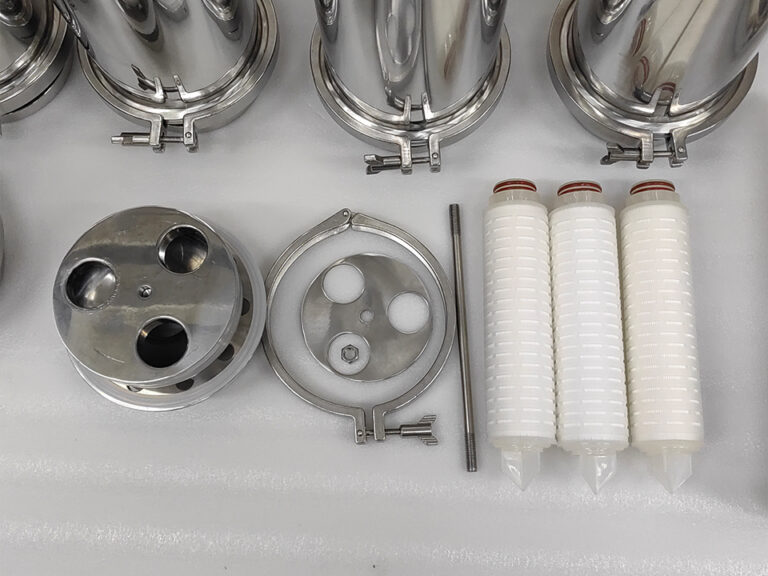
Read multi-cartridge ratings carefully. Where one cartridge cannot meet the flow, a housing such as the sanitary multi-cartridge housing spreads the load. Its page lists 10 bar and 150°C but notes that the allowable conditions depend on the selected cartridge and sealing material, which is the right way to read any housing rating. Larger assemblies also heat and cool less uniformly, so confirm that seals and end caps suit the cycle, not only the peak.
Corrosion and Cracking When the Temperature Rises
Higher temperature accelerates corrosion mechanisms that are tolerable at ambient conditions. Chloride stress corrosion cracking is the most important one for austenitic stainless steel housings. Alleima’s technical guidance on stress corrosion cracking states that chloride-induced cracking normally occurs above 60°C (140°F) and that ASTM 304 and 316 austenitic steels have limited resistance to it, even at very low chloride content and low temperatures.
Two practical implications follow.
Upgrading from 304 to 316L does not solve chloride cracking by itself. Grade 316L improves general pitting and crevice resistance, but the Alleima guidance describes both grades as having limited resistance to stress corrosion cracking. If a housing cracks near welds or clamp contact points in chloride-bearing service, the remedy is to control the chloride source, stress and temperature, or to consider materials designed for that environment.
Cleaning water counts as process fluid. Hot CIP or sanitizing cycles with chlorinated water can introduce chlorides to a housing that never sees chlorides in the product. Review the full cleaning chemistry, including residues that concentrate under gaskets.
Polishing, passivation and electropolishing reduce the sites where deposits and crevice attack begin, but they do not make a housing immune. Ask for weld and surface-finish documentation when hot chloride exposure is possible.
Thermal Cycling, Switchover and Safe Opening
Thermal cycling drives failures separately from peak temperature, because every cycle moves seals, clamps, flanges and gauges.
Continuous-service duplex systems. A sanitary stainless steel duplex filter housing allows one basket chamber to be serviced while the other runs, which avoids a full shutdown and reduces thermal cycles on the line. Lvyuan publishes this configuration at 6 bar and 100°C, so it suits hot-water or warm-liquid duties and not the higher steam pressures discussed above. Bring the standby chamber up to temperature gradually and vent it before switching.
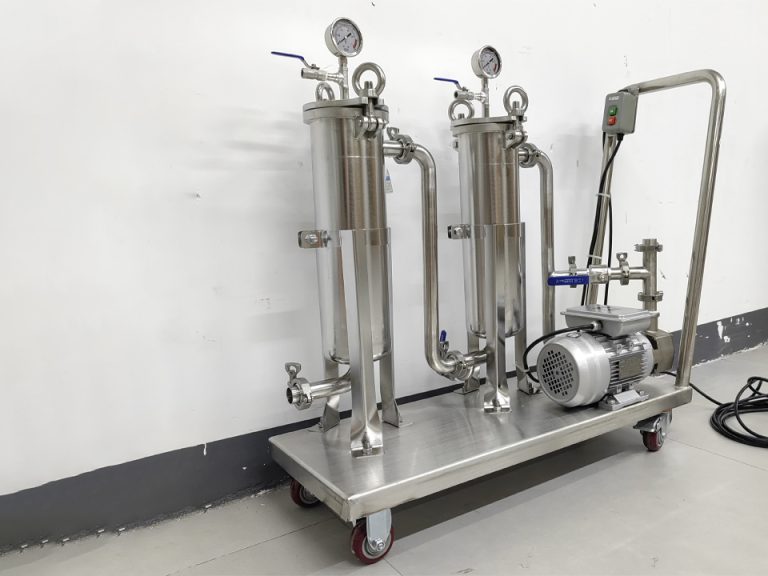
Mobile skids. A mobile stainless steel filtration cart combines housings, a centrifugal pump, sanitary piping and instrumentation. Its published limit is 6 bar and 80°C, and the page notes that this is subject to cartridge, seal and operating conditions. A cart used for hot transfer or hot cleaning can be limited by the pump seal or the instruments, rather than the housings.
Opening a hot housing. Isolate, depressurize and cool the housing before opening the closure, and use the vent to confirm that the pressure has dropped to zero. Hot liquid and steam can be trapped inside after the valves close. Follow your site’s lockout and pressure-equipment procedures and the manufacturer’s manual for the specific model.
Choosing a Housing Format for Hot Service
No single housing format is right for every hot service. The table lists the maximum pressure and temperature that Lvyuan publishes on each product page, with the main watch point for hot-service use. These are manufacturer-stated maximums and not independent test results, and they should be confirmed against your pressure and temperature combination.
Housing format
Published maximum (supplier product page)
Typical hot-service duty
Main watch point
Flanged multi-cartridge steam housing
10 bar / 150°C
Process steam line protection
Steam saturation temperature versus stated pressure; condensate drainage
T-type single-cartridge gas housing
10 bar / 150°C
Compressed air, nitrogen, process gas
Seal compound and media limit; condensate if the gas cools
Sanitary multi-cartridge housing
10 bar / 150°C
Hygienic liquid filtration
Cartridge and seal limits can be lower than the housing figure
CUNO-style single-cartridge housing
10 bar / 120°C
Industrial liquid filtration
Lid seal and threaded-port integrity
Stainless steel inline housing
10 bar / 120°C
Liquid cartridge filtration
Seal material (silicone, EPDM or FKM options) versus fluid
Sanitary Y strainer
10 bar / 120°C
Coarse prefiltration
Gasket and cover seal; basket cleanliness
Sanitary duplex strainer housing
6 bar / 100°C
Continuous coarse filtration
Valve seals and switchover procedure
SS304/316L multi-cartridge housing
10 bar / 90°C
High-capacity liquid filtration
Lowest temperature limit in the range; larger thermal mass
Mobile filtration cart
6 bar / 80°C
Portable or staged liquid filtration
Pump seal, instruments and hose or tubing limits
The sanitary single-cartridge and flanged sintered cartridge housings discussed above list no pressure or temperature maximum on their product pages, so request those ratings from the supplier.
The highest rating is not automatically the best selection. A housing with a higher temperature maximum may need a different seal, flange class or element, and none of that helps if the real problem is cycling frequency, a chloride source or a cartridge differential pressure limit. A better approach is to define the actual duty first, including normal and worst-case temperature, then choose the lowest-risk configuration that clearly covers it.
What Should You Specify Before Requesting a Quote for Hot Service?
A precise RFQ reduces the chance of receiving a housing that is correct on paper and wrong in operation. Include:
Fluid and phase: liquid, gas, saturated or superheated steam, and the fluid’s chemistry, including chlorides and cleaning agents.
Normal and worst-case temperature and pressure: both values together, including upset conditions and the pressure at the design temperature.
Cycle profile: how often the line heats and cools, the heat-up rate, and whether CIP, hot-water sanitization or steam sterilization is used.
Seal compound: the elastomer or gasket type, not just “high-temperature seal,” and the fluid it must tolerate.
Element details: media, micron rating, temperature limit, differential pressure limit and cartridge interface (DOE, 222 or 226).
Connections and closure: flange size, threaded or clamp ports, and the closure type.
Materials and finish: SS304 or SS316L, polish or electropolish, passivation, and weld documentation.
Accessories: gauge, vent, drain and valve ratings.
Testing and documents: pressure test, material certificates and any applicable pressure-equipment requirements for your market.
Commercial terms: quantity, delivery schedule, and spare seal kits and elements.
Supplying these details together lets the manufacturer confirm that housing, seals and elements suit the full cycle before production starts.
Frequently Asked Questions
What is the most common cause of a filter housing leak in hot service?
The sealing system is the most frequent suspect. Heat can cause compression set, hardening or swelling, and thermal cycling loosens clamp and flange joints. Check seal compound, age, sealing surfaces and closure tightening against the manufacturer’s instructions before replacing the housing.
Is a housing rated for 10 bar and 150°C suitable for any steam line up to 10 bar?
No. Steam temperature rises with pressure: saturated steam is about 152°C at 4 bar g and 170°C at 7 bar g. Ask the supplier for the allowable pressure at your design temperature, and check seals, elements and accessories separately.
Is SS316L better than SS304 for high-temperature filter housings?
SS316L offers better pitting and crevice resistance, but it does not remove the risk of chloride stress corrosion cracking, which normally occurs above 60°C. Control chlorides and stress, and consider other materials if exposure cannot be avoided.
Which seal material should I choose for a hot filter housing?
It depends on the fluid and temperature. EPDM is commonly used for water and steam, FKM for heat, oils and chemicals. Confirm the specific compound’s temperature rating and compatibility against the process and cleaning fluids.
Why does pressure drop rise faster when the system is hot?
Common reasons are a higher particle load from scale and corrosion products, and a baseline measured at ambient temperature. Viscosity changes with temperature. Record a clean hot baseline and consider a coarse strainer upstream.
What should I do before opening a hot filter housing?
Isolate the housing, relieve the pressure through the vent, let it cool, and confirm zero pressure before loosening the closure. Trapped hot liquid or steam can remain after valves close. Follow site lockout procedures and the manufacturer’s manual.