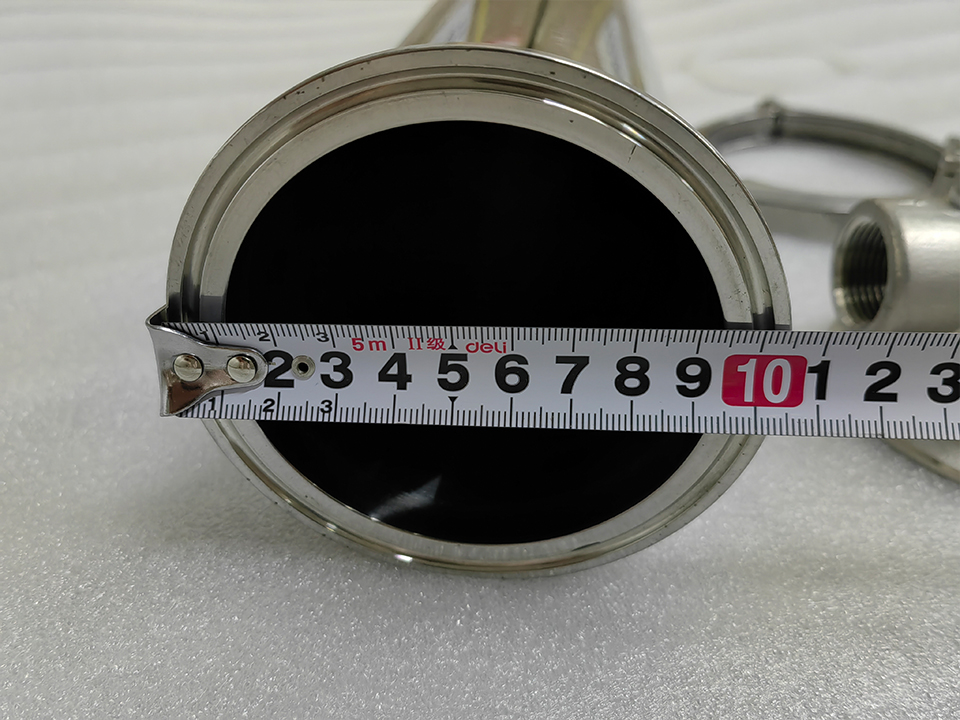
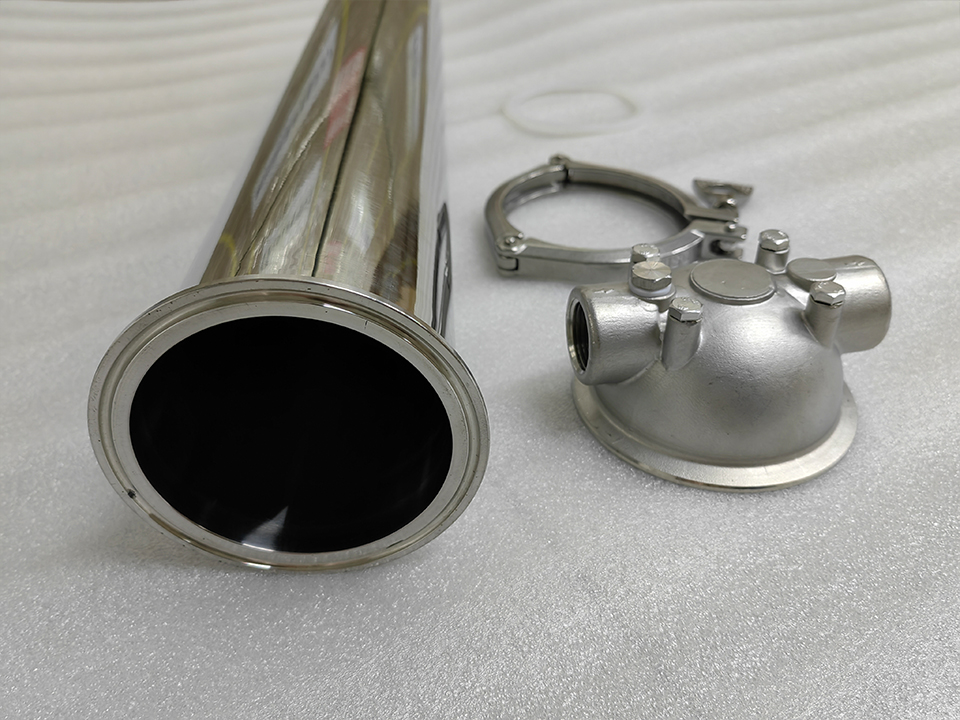
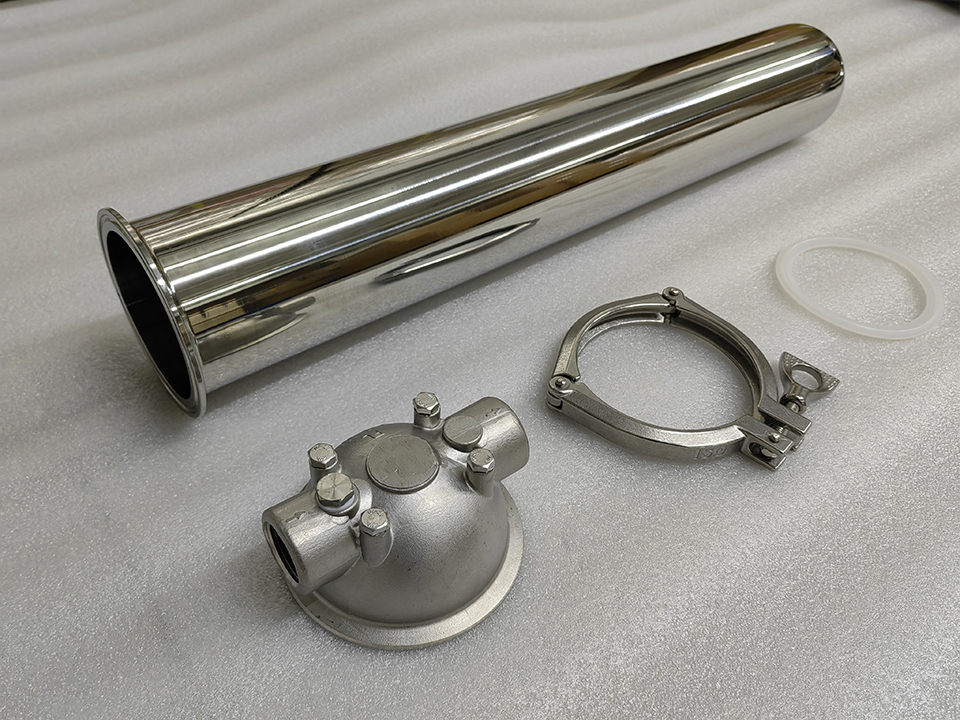
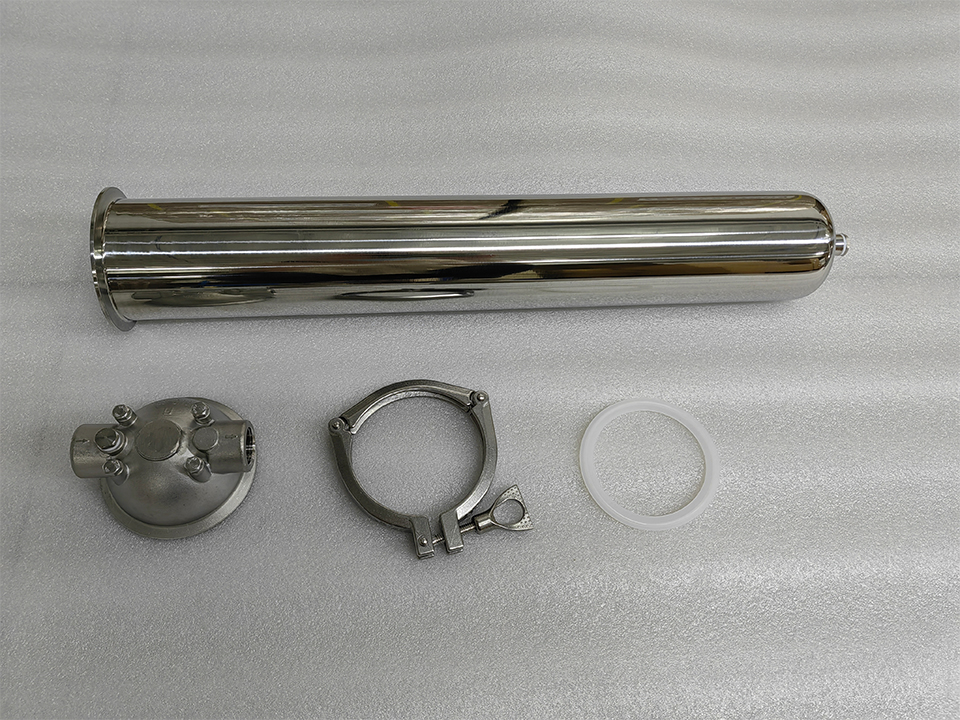
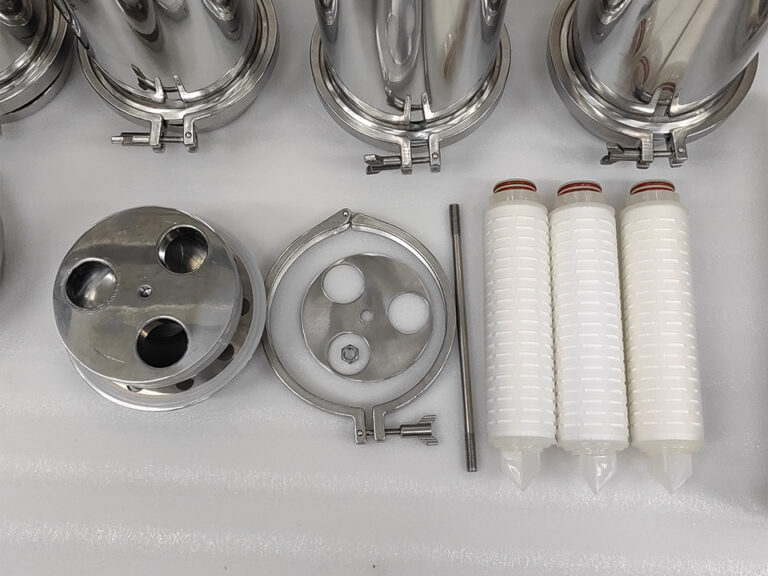
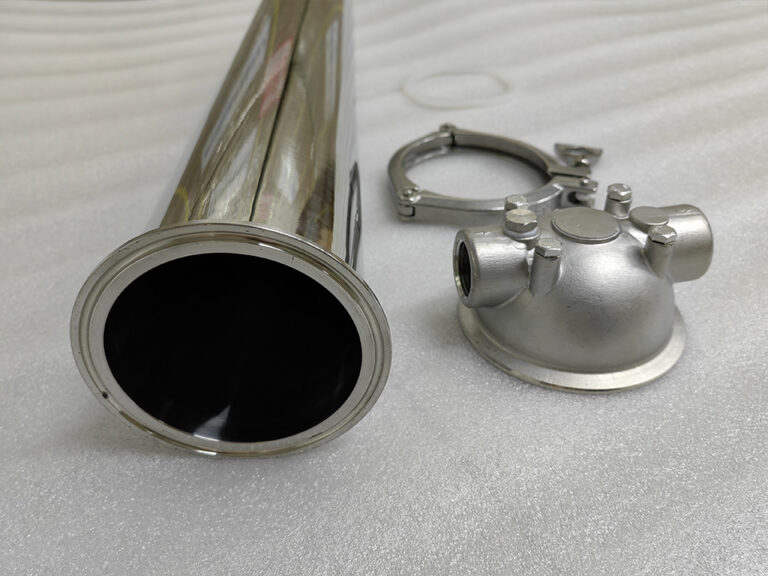
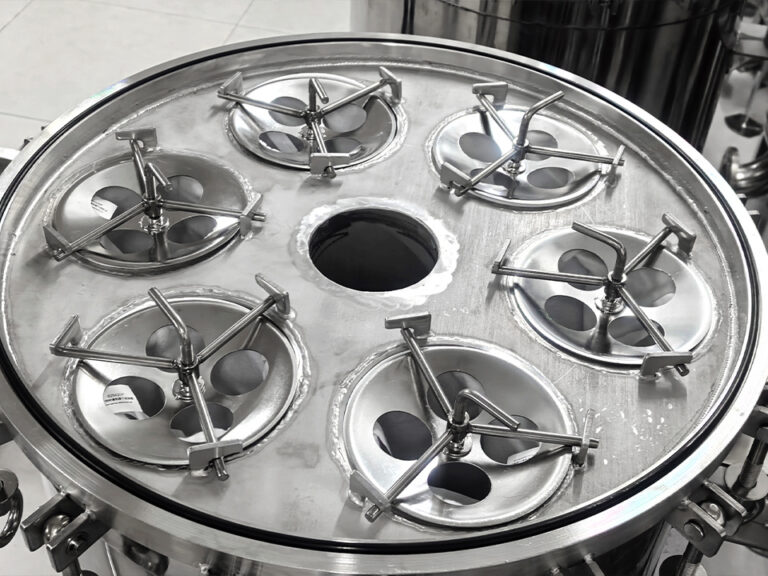
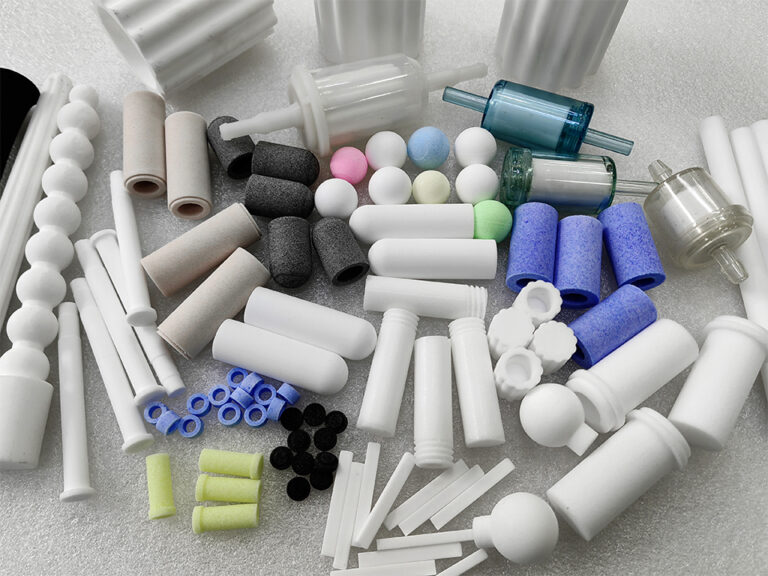
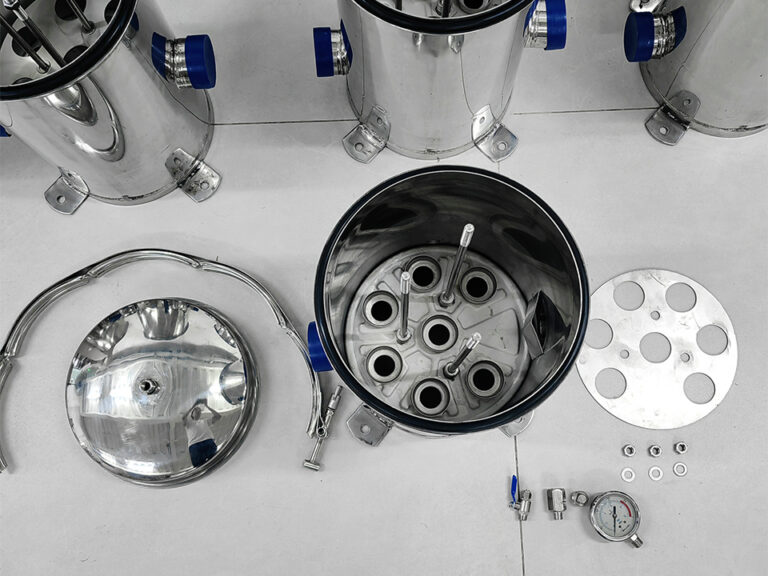
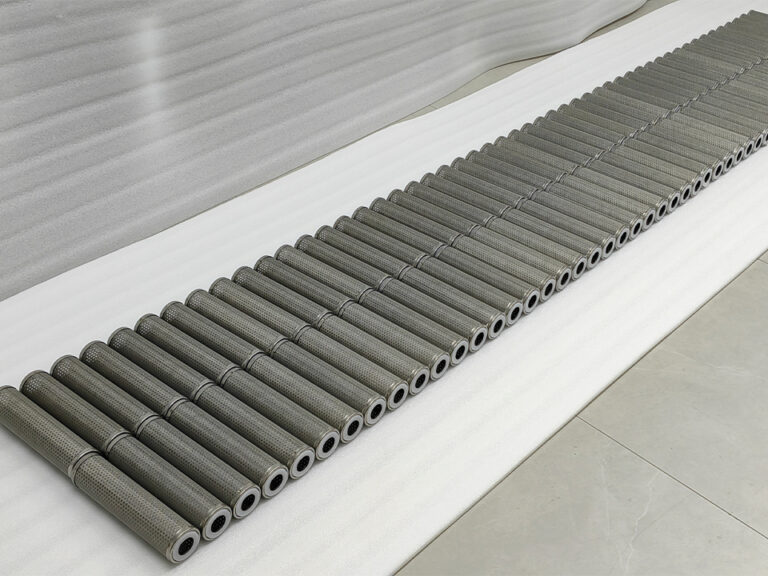
Guangzhou Lvyuan Water Purification Equipment Co., Ltd. is an industrial filter manufacturer founded in 2009 that designs and manufactures stainless steel filter housings, stainless steel sterile water tanks, filter elements, filter bags, ultra-polymer materials, and sintered filter products. Buyers choose Lvyuan for OEM/ODM support, ISO9001 quality control, and multi-country certifications.
Guangzhou Lvyuan Water Purification Equipment Co., Ltd.
Rust Inside 316L Filter Housings: Corrosion or Contamination?
That is the initial point I tell any person staring right into a 316L Filter Housing and questioning whether the stainless steel has stopped working. Brownish discoloration inside a hygienic filter real estate looks dramatic, but look alone is a weak witness; the discolor might be ferric oxide from upstream carbon steel, ingrained store dirt, weld heat tint results, rouge from high-purity water, chloride matching, or a low-cost cleaning chemical that ought to never ever have actually been enabled near 316L in the first place.
So what are we really seeing?
A stain is not a medical diagnosis. A pit is more detailed. A pattern is more powerful evidence. And a lab swab, chloride analysis, ferrite check, and surface area profile record will certainly beat the loudest supplier disagreement in the area.
The Ugly Fact: 316L Stainless-steel Is Resistant, Not Immortal
316L stainless-steel gains its reputation because chromium creates a slim passive oxide layer, usually called Cr ₂ O THREE-rich, that slows corrosion. The “L” implies low carbon, which helps in reducing carbide precipitation and intergranular deterioration threat after welding. Molybdenum enhances chloride resistance compared to 304.
Yet 316L is not magic metal.
Put it in stagnant chloride option, leave bleach residue in a hole, catch solids under a gasket, or allow iron particles sit damp on the surface, and the housing can discolor, pit, or both. I have a tough point of view below: numerous “316L stainless-steel deterioration” issues are actually maintenance failings putting on a metallurgy outfit.
Still, genuine rust occurs. Particularly where drivers presume stainless-steel forgives every little thing.
Rust or Contamination? Start With the Stain Pattern
If the corrosion inside stainless steel filter housing appears as loosened orange dirt, wipeable touches, or blemishes around inlet zones, I believe contamination first. If it looks like dark identifies, under-gasket attack, black-centered pits, or brown halos that return after cleaning, I start worrying about rust.
A 316L Filter Housing ought to be examined like a criminal activity scene. Do not brighten the proof away before documenting it. Take pictures before cleaning. Mark the flow direction. Check whether the staining is worse at the inlet, weld seam, clamp zone, drainpipe port, air vent port, or cartridge seat.
That pattern matters greater than the shade.
A brown stain at the inlet usually directs upstream. A ring under the gasket commonly indicates crevice rust. A tea-colored movie across the whole wetted surface may suggest chemical deposit or rouge. Random speckling after installation might be store contamination from grinding dust, carbon steel devices, or bad product packaging.
And indeed, I will say it plainly: if a vendor ships a hygienic filter housing without proper cleaning, passivation documents, and safety product packaging, the purchaser acquires a mystery.
The Three Usual Suspects Inside a 316L Filter Housing
Most corrosion issues come under three buckets.
The very first is exterior iron contamination. Carbon steel dirt, pipe range, pump wear bits, weld spatter, ferric debris, and installation dust decide on the stainless surface area. The iron rusts, not necessarily the 316L. This prevails in mixed-metal plants where stainless housings rest downstream of carbon steel pipe, old containers, or badly flushed lines.
The 2nd is true local deterioration. Chlorides, acidic cleaners, hypochlorite, stationary water, and crevice geometry attack the passive movie. The steel listed below comes to be energetic. Pits begin. Once a pit begins, the chemistry inside it gets nastier than the bulk liquid. This is why little pits can become pricey openings.
The third is procedure residue or rouge. In water, vapor, beverage, pharma, and high-purity systems, reddish-brown films might be iron oxide migration, not classic climatic rust. Rouge can relocate with a system and plate out where temperature, flow, and chemistry invite it.
The lazy answer is “poor stainless.” Often it is. Typically, it is not the entire tale.
Why Recent Recall Data Ought To Scare Plant Managers
The filtering market likes to speak about micron scores and flow prices. Fine. But international material risk is where the money obtains lost.
Public recall documents from 2023 and 2024 show a candid pattern: steel fragments, wood fragments, and other foreign products still escape contemporary manufacturing systems. These are not abstract top quality issues. They trigger recalls, seller notices, product holds, customer panic, and lawful direct exposure.
That matters since rust inside a hygienic filter housing is not simply a cosmetic stain. It is a contamination signal. Even if the 316L substrate is intact, iron oxide bits can separate, move downstream, blind cartridges, discolor product, seed issues, or compromise audit confidence.
If you are running beverage, dairy, pharmaceutical, cosmetics, chemical, or high-purity water manufacturing, the question is not “Can we wipe it off?”
The inquiry is: “Can we confirm it will not come back?”
The Chemistry Nobody Intends To Possess
Chlorides are the repeat offender.
Sodium chloride, calcium chloride, process brines, seawater exposure, chlorinated water, and some cleaning agents can all pressure the passive film on 316L. Add temperature and stationary zones, and danger increases. Add holes under gaskets, dead legs, rough welds, trapped debris, or low-flow pockets, and currently you have a corrosion cell.
Bleach is worse than lots of buyers understand. Sodium hypochlorite, NaOCl, is economical, familiar, and dangerous around stainless when mistreated. I have seen teams deal with stainless like plastic: soak it, forget it, wash it severely, then act stunned when brown marks blossom near clamps and threads.
Acid cleansing can likewise fail. Nitric or citric passivation, done properly, aids reconstruct a tidy passive surface. Acid thrown around without concentration control, temperature level control, contact-time control, and rinse verification is not passivation. It is movie theater with documentation.
Surface Finish, Welding, and Passivation: The Boring Information That Choose the Instance
The real estate surface area levels before the brochure does.
A smooth, effectively ended up, correctly passivated wetted surface area provides contaminants less places to conceal. Harsh inner surface areas, warmth tint, weld discoloration, lap joints, and bad brightening create micro-sites where solids, chlorides, and microorganisms can sit. In a hygienic filter housing, those issues matter.
Warm tint is not simply hideous. It signifies chromium deficiency near the weld surface otherwise removed properly. A real estate can be made from 316L and still carry out severely if manufacture high quality is sloppy.
This is why I prefer suppliers that recognize the complete filtering system, not just the covering. A well-built housing paired with the incorrect cartridge, wrong upstream pipework, or wrong cleaning cycle still fails the individual. For stainless purification plans, evaluation material high quality, weld coating, and media compatibility with each other; commercial buyers can begin with a significant check out sintered stainless steel filter aspects for commercial filtration when the application requires metal media instead of disposable polymer cartridges.
Area Examination: Just How I Would Investigate Rust Within Stainless Steel Filter Real Estate
Do not presume. Adhere to the proof.
First, photo the housing completely dry and wet. Consist of close-ups of welds, inlet areas, drainpipe ports, gasket seats, cartridge user interfaces, and clamp locations. Tape-record the date, batch, process fluid, cleansing cycle, chemical concentration, temperature level, and downtime prior to discovery.
Second, wipe-test the tarnish. Utilize a clean white lint-free towel. If the tarnish transfers quickly, contamination or loosened oxide is most likely. If it does not transfer and you see pinholes, pits, or black centers, corrosion rises on the suspect list.
Third, inspect the process water. Measure chloride focus, pH, conductivity, iron, solidity, and oxidizer residue. I would additionally request for the cleansing log before I ask for the alloy certification, since drivers usually reveal the fact quicker than certifications do.
4th, evaluate upstream tools. Carbon steel pipe, aging pumps, unlined containers, compressor lines, and unclean installment tools can send iron right into an ideal 316L real estate. If your system makes use of sediment protection, match the prefilter to the bit problem; a 5– 10 micron PP debris filter cartridge can be a practical upstream guard in water applications where visible solids belong to the problem.
Fifth, confirm the real estate itself. Demand product certifications, surface area roughness data, passivation documents, weld inspection notes, and cleansing treatment. A 316L stamp without process proof is inadequate.
Medical diagnosis Table: What the Rust Pattern Usually Indicates
Monitoring inside 316L Filter Real Estate
Likely Create
Proof to Collect
Ideal Following Action
Loosened orange powder at inlet side
Upstream iron contamination
Wipe test, inlet pipe assessment, iron test
Flush upstream line, include prefiltration, examine pump/tank
Product packaging check, tool audit, surface area swab
Tidy and passivate, reject if surface flaws remain
Corrosion persisting after cleansing
Origin not got rid of
Pattern pictures, process logs, upstream samples
Examine chemistry, dead legs, and upstream steels
The Cartridge Can Make the Housing Look Guilty
A filter real estate does not work alone.
Wrong cartridge selection can produce pressure drop, stationary pockets, bypass courses, and unusual loading. In water purification, an affordable cartridge that falls down, drops, or blinds too quickly might leave operators condemning the stainless real estate while the actual problem sits inside the element.
Transparent real estates have one benefit: they make neglect noticeable. In smaller sized systems, a clear water filter real estate with PP cartridge can aid drivers see sediment filling before the system becomes a concealed contamination tale. Industrial stainless systems are harder, however they are additionally much less aesthetically forgiving. You need examination self-control.
Air systems should have interest as well. Pneumatically-driven exhaust, unclean pressed air, and neighboring upkeep dirt can introduce bits throughout open-housing cartridge changes. Where compressed air sound and exhaust control are part of the production area, also elements such as PE plastic pneumatic silencer mufflers belong in the more comprehensive contamination-control discussion.
Tiny components matter. That is the sector’s the very least glamorous fact.
Just How to Prevent Rust in 316L Filter Housings
Avoidance begins before the housing is mounted.
Specify 316L for the wetted parts, not simply the body. Inquire about gasket compatibility, weld finish, passivation, surface roughness, drainability, and dead-leg layout. Validate whether the real estate appropriates for the actual chloride level, temperature, cleaning chemistry, and hold time.
Then control installment. Never ever utilize carbon steel brushes, infected grinding wheels, or filthy cloths on stainless wetted surface areas. Flush the line before mounting cartridges. Maintain real estates covered prior to usage. Shop extra cartridges tidy and completely dry.
Throughout operation, stop abusing stainless with unchecked bleach. Verify cleaning chemistry. Rinse totally. Dry or drainpipe housings where stagnant water develops threat. Change harmed gaskets. Watch stress differential patterns. If rust shows up as soon as, check out. If it appears two times, escalate.
My viewpoint is blunt: persisting corrosion inside a 316L Filter Real estate is a management failure until proven otherwise.
When the Real estate Should Be Replaced, Unclean
Cleaning up serves when the discolor is superficial contamination and the surface area below continues to be smooth, passive, and pit-free.
Substitute ends up being the much safer choice when pits show up, pit depth is increasing, welds are struck, gaps can not be cleaned up, surface coating is harmed, product danger is high, or the housing no more passes internal high quality criteria. In pharma, food, beverage, and high-purity water service, “we cleansed it again” is not a solid protection during an audit.
A corroded pit is not simply an opening. It is a bit trap, chemical cell, microbial shelter, and future issue awaiting stress, warmth, and time.
FREQUENTLY ASKED QUESTION
Is rust inside a 316L Filter Real estate constantly corrosion?
Corrosion inside a 316L Filter Real estate is not always deterioration; it is a visible iron oxide signal that may come from true 316L matching, upstream carbon steel contamination, weld warmth color residue, rouge, filthy installation devices, or cleaning chemical damage. The distinction depends on whether the stain wipes off, returns, or discloses pits.
If it wipes away cleanly and the surface remains smooth, start with contamination. If the tarnish has black facilities, pinholes, roughness, or under-gasket attack, treat it as possible rust up until screening proves otherwise.
Exactly how do I inform stainless-steel corrosion stains from filter housing contamination?
Stainless-steel corrosion spots normally describe visible brownish or orange discoloration on the surface, while filter real estate contamination indicates international iron, oxide, sediment, or procedure debris has gotten in or settled inside the real estate. Stains are the symptom; contamination is one possible resource behind that signs and symptom.
Use a clean test, zoom, chloride testing, iron analysis, and upstream assessment. The discolor place is additionally vital. Inlet-side staining often points upstream, while gasket-zone staining frequently indicates crevice chemistry.
Can 316L stainless steel corrode in water purification systems?
316L stainless-steel can rust in water filtering systems when chloride concentration, oxidizing cleaners, reduced pH, stagnant water, warm, rough welds, or crevices overwhelm the passive chromium oxide film. It resists deterioration much better than 304, but it is not unsusceptible to pitting, rouge, or chemical abuse.
The threat climbs in systems making use of chlorinated water, brine, hypochlorite sanitation, bad drainage, or mixed-metal pipework. Excellent passivation aids, yet it does not terminate poor chemistry.
What is the best way to prevent corrosion in 316L filter housings?
The best method to stop corrosion in 316L filter housings is to integrate tidy construction, verified passivation, managed installation, suitable cartridges, chloride-aware cleaning chemistry, total rinsing, correct water drainage, and upstream particle control. Avoidance is not one item; it is a disciplined os around the real estate.
Define material certifications, check weld coating, prevent carbon steel contamination, flush the line prior to start-up, display stress decline, and paper cleaning focus, temperature, and contact time.
Should I utilize PP cartridges or stainless-steel filter elements?
PP cartridges are suitable for many sediment and water filtration tasks, while stainless steel filter components are much better for higher temperature level, aggressive cleansing, multiple-use service, mechanical stamina, and some industrial procedure applications. The ideal selection depends upon liquid chemistry, bit tons, temperature level, stress, hygiene method, and replacement cost.
If the real estate corrosion issue comes from upstream debris, PP prefiltration may help. If the system needs repeated cleansing, heat resistance, or lengthy life span, stainless aspects may be a lot more economical.
Stop Treating Brown Stains Like Aesthetic Issues
Corrosion inside a 316L Filter Housing is a warning, not a decoration.
Often the real estate is innocent. Occasionally it is guilty. A lot of the moment, the system around it has actually been concealing negative water chemistry, negligent setup, harsh fabrication, incorrect cartridges, or cleansing faster ways.
If you are defining, replacing, or repairing stainless filtering tools, do deny only by alloy name. Get by proof: surface area coating, weld quality, passivation, cartridge compatibility, procedure chemistry, and supplier competence.
For industrial purification projects where stainless performance, cartridge selection, and contamination regulate all issue, begin by reviewing long-lasting sintered stainless steel filter solutions and match the real estate, element, and cleansing approach prior to corrosion comes to be the plant’s following costly debate.