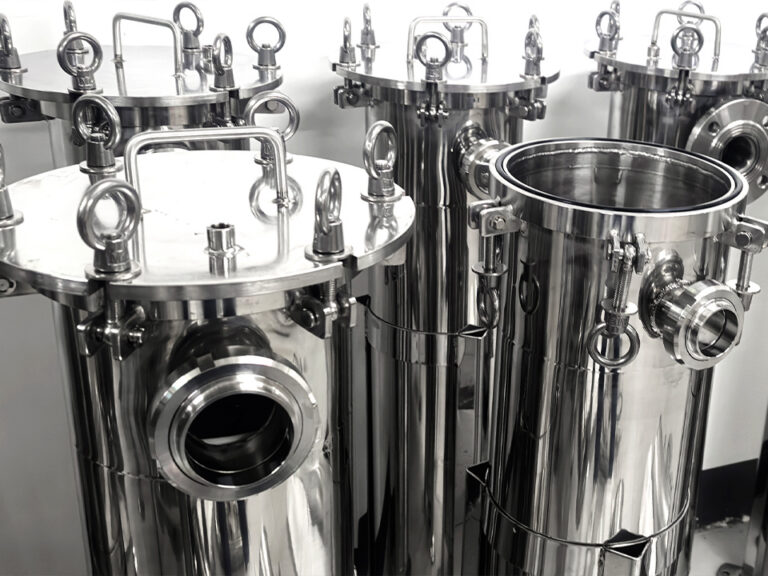
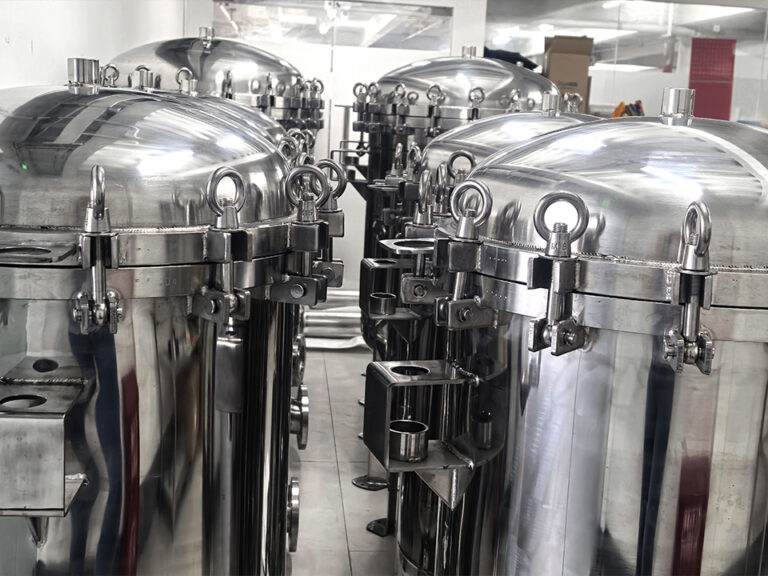
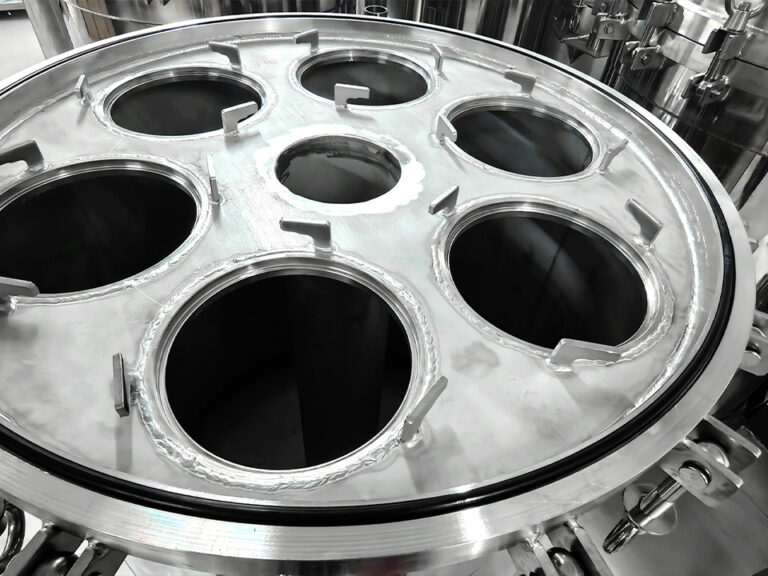
Guangzhou Lvyuan Water Purification Equipment Co., Ltd. is an industrial filter manufacturer founded in 2009 that designs and manufactures stainless steel filter housings, stainless steel sterile water tanks, filter elements, filter bags, ultra-polymer materials, and sintered filter products. Buyers choose Lvyuan for OEM/ODM support, ISO9001 quality control, and multi-country certifications.
Guangzhou Lvyuan Water Purification Equipment Co., Ltd.
Titanium Filter Cartridges for Corrosive Chemical Filtration
Chemistry consumes positive outlook. I have actually seen purchase groups treat filtration like a line-item accessory, when in destructive chemical service it is closer to press containment, contamination control, maintenance preparation, and legal direct exposure all bolted into one small cylinder that no one notifications up until it plugs, loses, fractures, leaches, or fails under temperature. So why do so lots of plants still purchase cartridges like they are buying workplace materials?
A Titanium Filter Cartridge is not the most inexpensive means to remove fragments. Let’s obtain that exist out of the room early. It is the cartridge you take into consideration when polypropylene softens, stainless steel becomes a rust experiment, PTFE expenses begin harming, and the chemical stream penalizes disposable media. The real buyer is not asking, “What is the lowest cartridge price?” The actual buyer is asking, “The number of closures, problems, sets, cleaning up cycles, and safety and security evaluations can this filter survive?”
The united state EPA’s TRI program tracks chemical releases and pollution-prevention task reported by commercial and government centers, and the 2024 initial TRI dataset covered more than 21,000 centers. That is the scale of the globe this item lives in: acids, alkalis, chlorides, solvents, response by-products, clean streams, and waste systems where filtering is not aesthetic.
Table of Contents
What a Titanium Filter Cartridge In Fact Does in Corrosive Chemical Solution
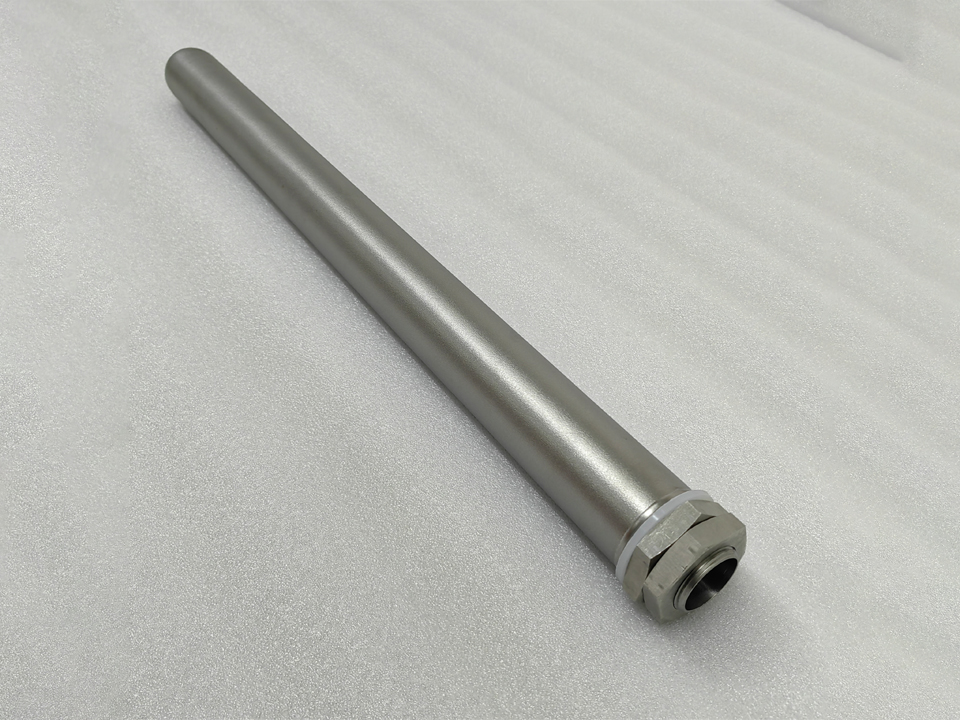
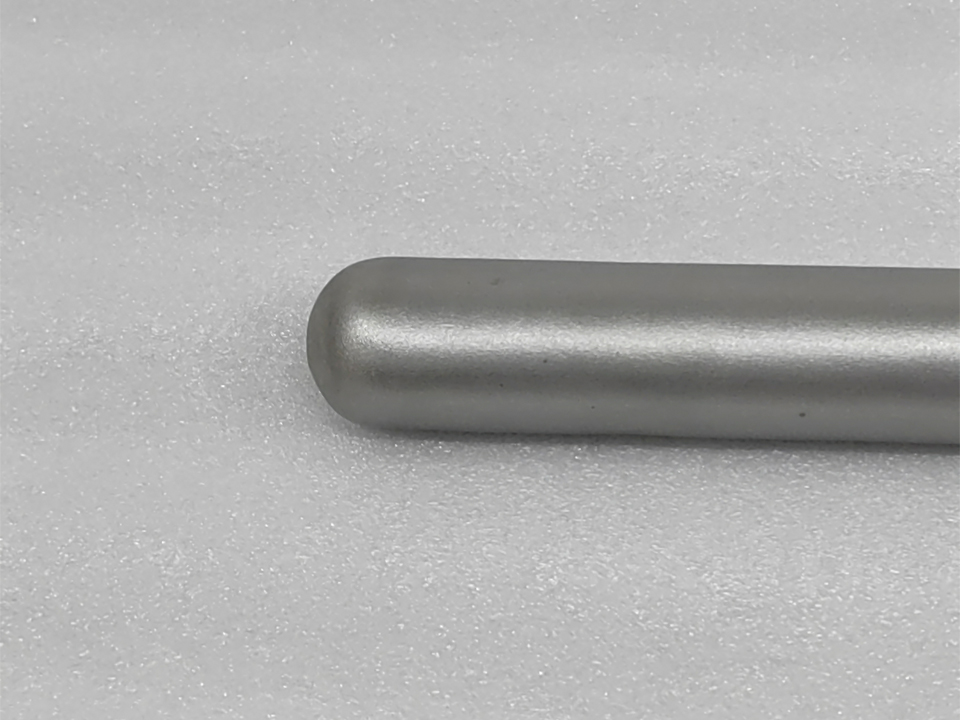
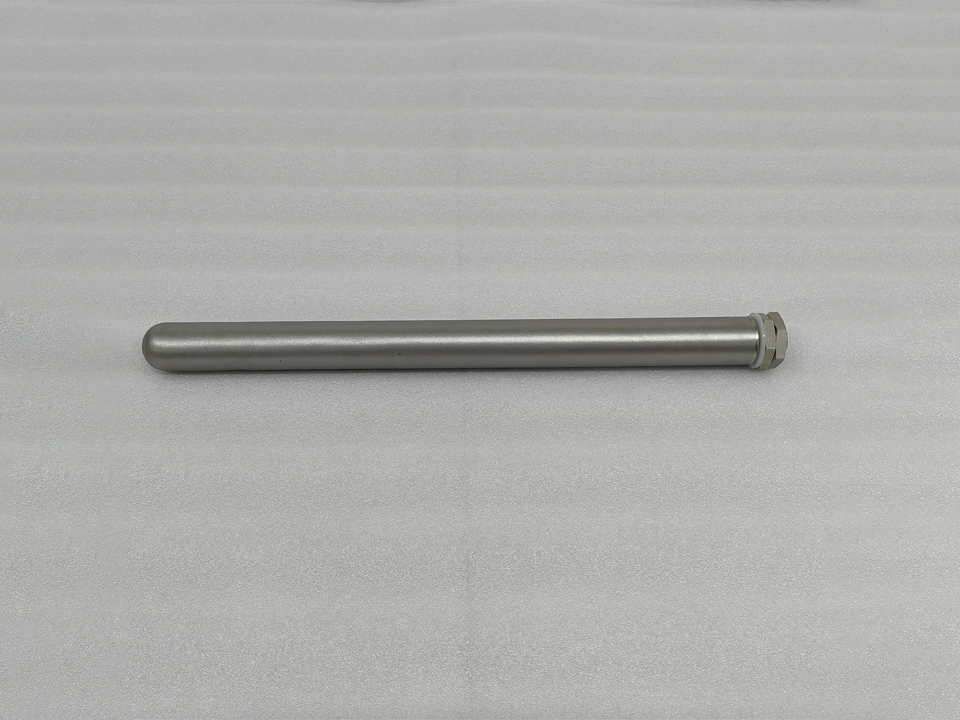
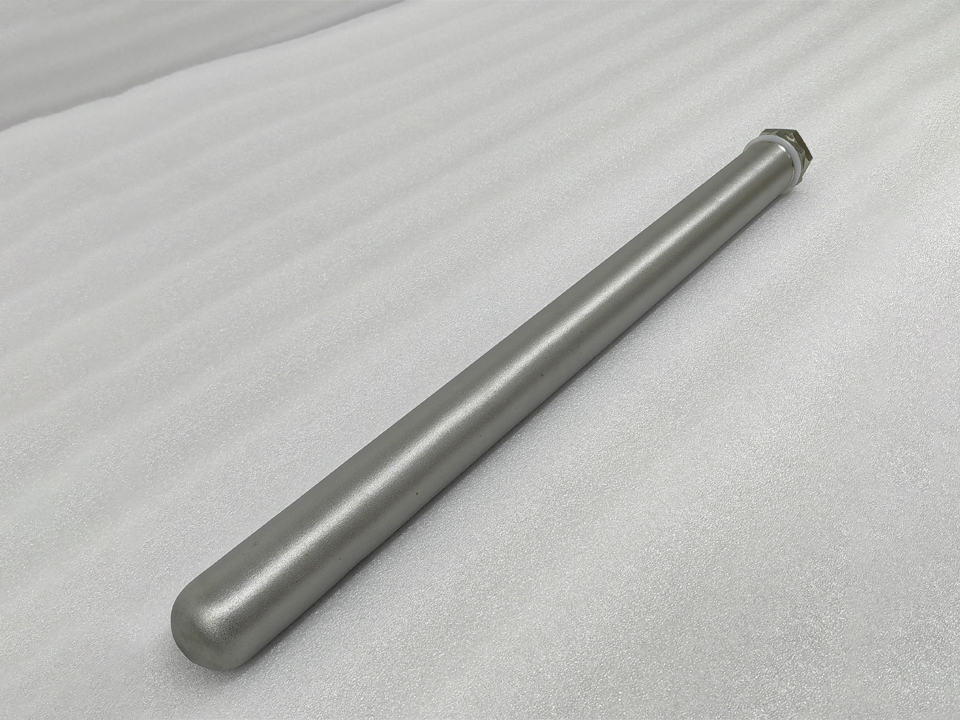
A Titanium Filter Cartridge is a stiff, metal deepness filter made from titanium powder or porous titanium media, normally created by sintering to create a fixed pore framework for solid-liquid or gas-solid splitting up in hostile commercial liquids. In plain English: it traps fragments while resisting strike from chemical streams that would certainly mess up softer or less compatible filter media.
That seems clean. It is not.
In harsh chemical filtering, the cartridge needs to answer four concerns simultaneously: Can it endure the liquid chemistry? Can it hold its micron ranking under stress? Can it be cleansed without breaking down efficiency? Can it avoid adding contamination back into the process?
This is where a Sintered Titanium Filter Cartridge earns focus. Sintering bonds titanium powder listed below its melting factor, producing a porous steel body with mechanical strength, warm tolerance, and a cleanable pore network. A Porous Titanium Filter Cartridge and Titanium Rod Filter Cartridge frequently explain the very same family members of products, though providers use the terms in different ways. I do not rely on the name alone. I request for pore dimension circulation, titanium grade, weld details, end-cap product, gasket compatibility, maximum differential stress, bubble point data, and cleansing method.
Yes, all of it.
If a vendor can not tell you how the cartridge behaves after repetitive acid cleaning, caustic cleaning, ultrasonic cleansing, or backflushing, they are not selling a filtration device. They are selling hope in a box.
Why Titanium Beats Stainless-steel, PP, and PE– Until It Does not
Titanium wins as a result of its passive oxide film. That slim safety surface area is the reason titanium performs well in lots of oxidizing and chloride-containing settings where common steels begin pitting, staining, or liquifying. However I dislike the phrase “corrosion-proof.” It slouches. Titanium can suffer in hydrofluoric acid, warm focused hydrochloric acid, hot sulfuric acid, fluoride-containing acidic streams, and poorly comprehended mixed-chemistry systems. A rust immune filter cartridge still needs chemistry review.
Tough reality: titanium is commonly bought after stainless-steel has currently failed.
That does not mean stainless-steel is useless. Vice versa. An excellent SS304 or SS316 housing continues to be standard in lots of liquid and hygienic filtering lines, especially when the aggressive liquid calls the cartridge extra severely than the vessel. If the service conditions validate stainless equipment, an appropriately picked 20 inch SS304 SS316 stainless steel Code 7 cartridge filter real estate can be part of a smarter system rather than a weak compromise.
However inequality the cartridge and real estate, and you produce a quiet failing point. Titanium cartridge inside the wrong gasket. Solid cartridge inside a minimal real estate. Cleanable media inside a process where operators never ever cleanse it properly. These are not theoretical troubles. They are Tuesday mid-day problems.
For less aggressive chemical streams, a sintered PE powder filter might be a lot more affordable. For average water, pretreatment, or non-aggressive debris elimination, a 1 micron PP water filter cartridge is usually the rational option. Titanium ends up being intriguing when lower-cost media can not endure the chemistry, temperature level, pressure, cleaning regularity, or contamination requirements.
The Operating Window Nobody Wishes To Admit
The majority of cartridge failures are not mysterious. They are predictable, recorded, and still disregarded.
Temperature level matters since rust prices increase. Differential pressure issues due to the fact that inflexible media can blind even when it does not collapse. Bit packing issues because a 1 micron cartridge in an unclean upstream procedure can end up being a costly plug. pH issues, but pH alone is not nearly enough; chloride concentration, oxidizers, fluorides, organics, liquified steels, temperature, and flow rate all alter the response.
A Chemical Filtering Cartridge for sulfuric acid is not instantly appropriate for hydrochloric acid. A cartridge utilized in salt hypochlorite, NaOCl, is not immediately appropriate for phosphoric acid, H ₃ PO FOUR. Nitric acid, HNO FOUR, acts differently from reducing acids. Hydrofluoric acid, HF, is in its own category of problem.
Would I run titanium all over? No. That is sales talk.
I would certainly run titanium where the chemistry file, test data, and cleaning plan justify the costs. In oxidizing settings, chloride-bearing fluids, hot process water, picked solvents, and aggressive clean streams, titanium can be excellent. In fluoride-bearing acid solution, I would certainly reduce and require test data before signing anything.
Sintered Titanium vs Porous Titanium vs Titanium Pole Filter Cartridge
Right here is the functional comparison I would certainly put in front of a plant engineer before they approve a modification order.
Filter Kind
Regular Building and construction
Ideal Fit
Watch-Outs
Purchaser’s Question
Sintered Titanium Filter Cartridge
Titanium powder sintered right into rigid permeable media
Destructive liquids, hot liquids, reusable commercial purification
Higher in advance price; chemistry still needs review
What is the titanium quality, pore ranking, and max differential stress?
Permeable Titanium Filter Cartridge
Broad term for titanium media with controlled pore structure
Great fragment removal in aggressive liquid or gas streams
Supplier terms can be vague
Is the pore dimension absolute, small, or lab-specific?
Titanium Pole Filter Cartridge
Cylindrical rod-style permeable titanium aspect
Portable systems, chemical sprucing up, driver healing, gas filtration
Can blind promptly with high solids if undersized
Can it be backwashed, acid cleansed, or ultrasonically cleaned?
PP Filter Cartridge
Melt-blown or pleated polypropylene
Water, moderate chemicals, low-cost non reusable solution
Poor suitable for warmth and harsh solvents
Is chemical compatibility verified at real operating temperature?
Sintered PE Filter
Polyethylene powder sintered media
Moderate chemical solution, rugged filtering, affordable reuse
Reduced temperature level and stamina than steel media
Is PE sufficient, or are we making believe the liquid is better than it is?
How to Select a Titanium Filter Cartridge for Corrosive Chemicals
How to Select a Titanium Filter Cartridge for Corrosive Chemicals starts with chemical compatibility, not micron score, due to the fact that the very best particle retention spec wears if the cartridge rusts, seeps, blinds, or loses architectural stability. Confirm the full liquid make-up, running temperature level, stress, solids tons, cleaning chemistry, gasket material, and housing metallurgy prior to choosing pore size.
That initial sentence is the answer. The rest is where purchasers conserve money.
Beginning with the stream. Not the advertising and marketing category. The actual stream. I want the SDS, focus range, temperature level profile, suspended solids estimate, thickness, pressure, pH, oxidizers, chlorides, fluorides, cleaning chemicals, and whether the line sees set spikes. “Primarily water” is not a specification. “5– 12% HCl at 55 ° C with iron penalties and intermittent oxidizer carryover” is closer.
After that pick the filtering target. Are you safeguarding downstream nozzles? Capturing driver? Polishing an acid bathroom? Eliminating carbon fines? Safeguarding a membrane? Each work transforms the micron score. A 0.5 micron titanium cartridge and a 50 micron titanium cartridge are not variants of the very same choice; they are different process tools.
Then pick the equipment around it. If heavy steam, warm, or sanitation enters the process, set the media with a real estate made for that task. A stainless-steel steam filter housing belongs in a different discussion than a light-duty water housing, which distinction issues when drivers are standing near pressurized equipment.
The Information Point That Makes Me Restless With Inexpensive Filtration
The Chemical Safety Board’s 2023 LyondellBasell report is not regarding titanium cartridges, but every purification customer ought to review its lesson: devices design, marking, procedures, and pressure-retaining components can turn a maintenance task right into a fatal release. The occurrence involved an acetic acid and methyl iodide blend; 2 workers were eliminated, others were harmed, and building damage was estimated at $40 million.
That is why I do not like “simply change the cartridge” reasoning. A filter system is not just the media. It is the real estate, seals, closure, venting, drainpipe layout, pressure evaluates, isolation valves, bypass reasoning, operator procedure, and the technique to know what is pressurized before someone loosens equipment.
The CSB likewise reported a July 2023 Dow Plaquemine incident including explosions, fires, and release of greater than 31,000 pounds of ethylene oxide; the firm pointed to international material, air-filled pressure relief piping, and devices layout concerns as part of the chain.
Once again, not a cartridge story. Yet it is absolutely a filtering tale if you comprehend plants. Debris steps. Solids move. Little items end up being huge repercussions. A filter cartridge is commonly the last honest witness before a downstream failure.
Where Titanium Filter Cartridges Make the Most Feeling
I such as titanium in chemical plants where the media is expected to be cleaned and recycled. Disposable cartridges can look less costly on a spread sheet, after that bleed money via downtime, labor, hazardous waste handling, and unstable filtration high quality. Titanium’s worth is not “one cartridge costs a lot more.” Its worth is “one cartridge might make it through repetitive cleansing cycles where polymer cartridges come to be persisting waste.”
Usual applications consist of acid bathroom purification, driver healing, carbon elimination, brine purification, solvent polishing, high-temperature liquid purification, corrosive gas purification, electroplating chemistry, pharmaceutical intermediates, great chemical handling, and hostile wastewater pretreatment.
Industrial chemical purification is not one market. It is a pile of awful particular niches. The plating shop battling nickel sludge is not the same as the fine-chemical plant shielding a reactor loop. The battery-materials facility dealing with metal salts is not the like the plant filtering system salt hypochlorite. Words “chemical” hides excessive.
For wider-diameter water or utility lines, a stainless steel single-core big blue filter real estate might be enough. For harsh manufacturing chemicals, I would be far more selective. The housing and cartridge must be picked as a system.
Cleansing, Backwash, and the Dirty Business Economics of Reuse
Reusable media only conserves cash if people really reuse it correctly. Noticeable? Evidently not.
A titanium filter cartridge can frequently be cleaned by backflushing, chemical washing, ultrasonic cleaning, or thermal methods, depending on the pollutant and cartridge construction. But cleaning is not magic. If the solids deform into the pore structure, if organics bake onto the surface, if salts take shape inside the media, or if drivers wait up until differential stress is severe, cleaning efficiency drops.
The operating statistics I respect is not just initial flow price. I appreciate circulation healing after cleansing. If a cartridge go back to 92– 95% of clean-water flow after 5 cleansing cycles, we are having a serious discussion. If it returns to 60% after the second cycle, that cartridge may still be “multiple-use” in the brochure, but not in my budget plan.
Track these numbers:
Metric
Excellent Technique
Why It Matters
First tidy flow
Tape at fixed pressure and temperature
Creates the baseline for fouling and healing
Differential stress limitation
Establish prior to installation
Prevents deep blinding and mechanical stress
Cleaning method
Define chemical, focus, time, and temperature
Quits drivers from improvising
Circulation recovery portion
Measure after each cleansing
Discloses whether reuse is economically real
Fragment challenge or bubble factor
Use when top quality risk is high
Validates media stability
Seal assessment
Inspect every upkeep cycle
Many “filter failures” are gasket failings
The Customer’s Checklist I Actually Trust Fund
Do deny filter cartridges for destructive chemicals from a magazine thumbnail. Request for documents.
You want chemical compatibility information at your focus and temperature. You want titanium quality verification. You desire pore size score approach. You want optimal operating temperature. You desire maximum differential pressure. You want recommended cleansing treatments. You want gasket choices: EPDM, FKM, PTFE, silicone, or custom. You want end fitting alternatives. You desire whether the filter is bonded, bound, threaded, or mechanically constructed. You want lead time and batch traceability.
And if the vendor states “conventional,” ask whose criterion.
A corrosion immune filter cartridge must decrease uncertainty, not include an additional dead spot. That is why I choose testing one component prior to changing a whole line. Run the test in unsightly conditions, not best ones. Dirty feed. Genuine temperature. Genuine stress. Genuine cleansing schedule. Genuine drivers.
That is where brochure declares go to die.
FREQUENTLY ASKED QUESTION
What is a Titanium Filter Cartridge?
A Titanium Filter Cartridge is a recyclable porous metal filtering aspect made from titanium media, often sintered titanium powder, created to remove bits from liquids or gases while standing up to corrosion, heat, pressure, and duplicated cleansing popular chemical, industrial, pharmaceutical, plating, and procedure filtration systems.
In destructive chemical filtration, it is typically selected when polymer filters or ordinary stainless components can not tolerate the combination of chemistry, temperature, solids, and cleansing cycles. It is not instantly ideal for every acid, however it is commonly a solid candidate for hostile oxidizing and chloride-bearing environments.
What is the distinction between a Sintered Titanium Filter Cartridge and a Porous Titanium Filter Cartridge?
A Sintered Titanium Filter Cartridge is a particular kind of porous titanium filter made by bonding titanium powder with warm, while a Permeable Titanium Filter Cartridge is a broader term for titanium media with controlled pore paths utilized for particle retention in aggressive fluid or gas purification.
In provider language, both terms typically overlap. I would certainly not suggest about the tag. I would certainly request pore rating, grade, stress rating, cleansing technique, filtering effectiveness, end-cap building and construction, and whether the cartridge has actually been checked in similar chemical service.
Can a Titanium Rod Filter Cartridge manage hydrochloric acid?
A Titanium Pole Filter Cartridge might handle some thin down hydrochloric acid conditions, yet viability depends upon acid focus, temperature, dissolved oxidizers, metal ions, fluorides, flow velocity, and exposure time, so no liable engineer ought to authorize titanium for HCl solution without chemical compatibility testimonial or test screening.
This is where people obtain shed. Titanium can act well in one mixed-acid setting and poorly in one more. Warm, concentrated lowering acids are not friendly area. If hydrofluoric acid or fluoride contamination is present, I would treat the application as high-risk until tested otherwise.
Is titanium better than stainless-steel for commercial chemical purification?
Titanium is usually better than stainless steel for commercial chemical filtering when corrosion resistance, chloride tolerance, warm resistance, cleanability, and life span issue more than initial cartridge rate, however stainless-steel can still be the much better financial selection in moderate fluids, sanitary real estates, steam systems, and compatible process lines.
The smarter question is not “titanium or stainless?” It is “which moistened parts see the hostile liquid, at what temperature level, for how long, and under what cleaning chemistry?” Sometimes the response is a titanium cartridge inside a stainless housing. Occasionally it is not.
How long does a Titanium Filter Cartridge last?
A Titanium Filter Cartridge can last months or years in suitable solution, but life span depends upon corrosion direct exposure, solids packing, pressure drop limitations, cleansing discipline, pore dimension, mechanical handling, and whether the procedure fluid assaults titanium, gaskets, welds, or real estate elements under real operating problems.
I do not trust lifetime claims without cycle information. Ask how many cleansings the cartridge can tolerate, what flow recovery appears like after cleansing, and which chemicals are permitted regrowth. The surprise expense is rarely the cartridge. It is shutdown time.
What micron ranking should I choose for destructive chemical filtering?
The appropriate micron ranking for destructive chemical filtration is the coarsest rating that protects downstream equipment or item high quality while maintaining appropriate circulation, stress decline, cleaning recuperation, and service life under the genuine solids lots and thickness of the chemical stream.
Over-filtration is costly. Under-filtration threatens. If your target is pump protection, 20– 50 microns might work. If you are brightening great chemical intermediates or getting rid of catalyst fines, you may need 0.5– 5 microns. Examination before committing.
Last Word: Get the System, Not the Cartridge
If you remember something, remember this: a titanium filter cartridge is not a magic steel candle light. It is one part in a chemical filtering system that needs to endure corrosion, solids, stress, cleansing, human error, and spending plan pressure at the same time.
For serious harsh solution, specify the Titanium Filter Cartridge with the exact same severity you would put on pumps, shutoffs, activators, or pressure vessels. For milder task, do not overspend; PE, PP, stainless steel, or carbon filtration may be enough. For unclear chemistry, examination first.
Need help matching cartridge material, micron ranking, gasket, and housing style for a corrosive chemical stream? Start with the liquid composition, running temperature level, target fragment size, flow rate, and cleaning strategy– after that construct the filtration package around those realities, not hunches.