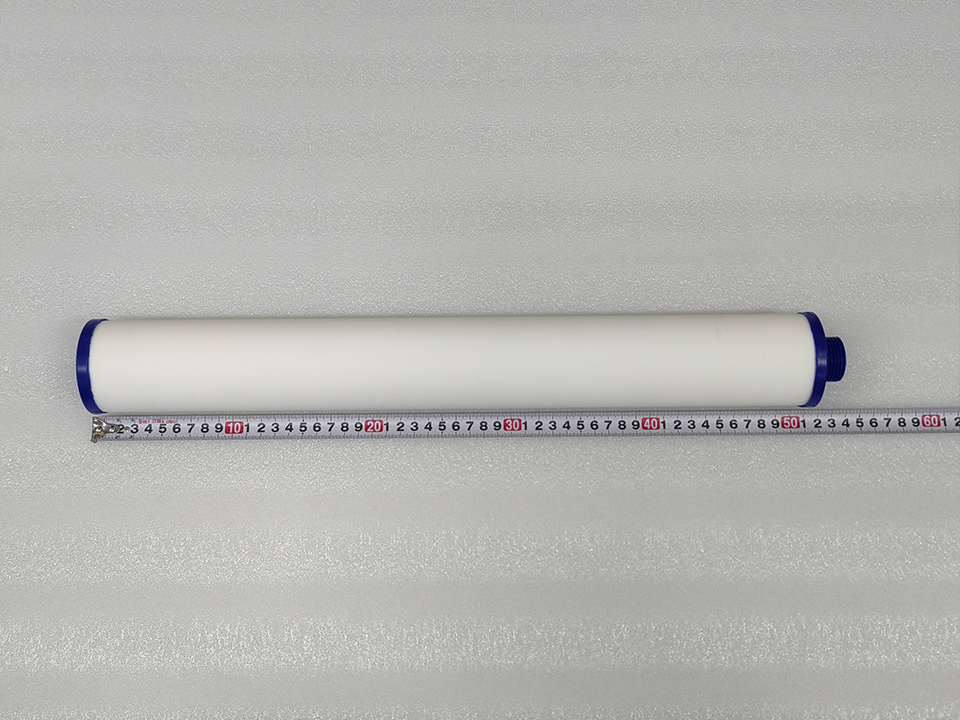
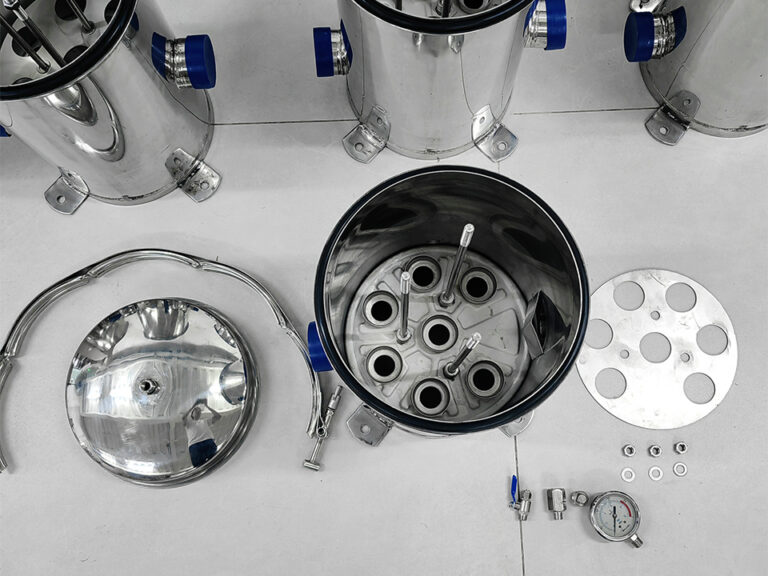
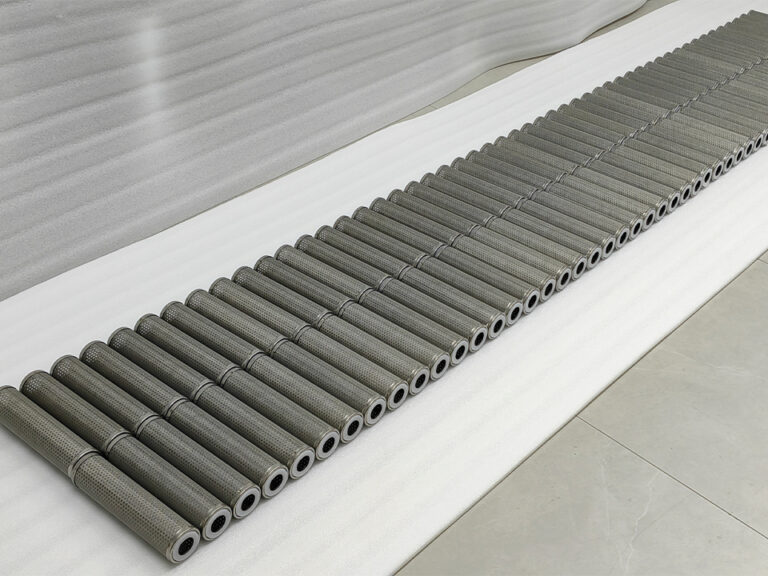
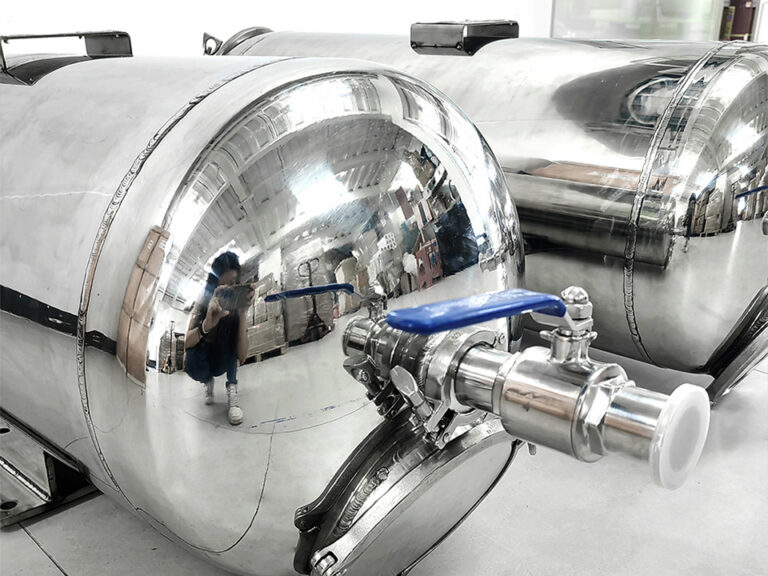
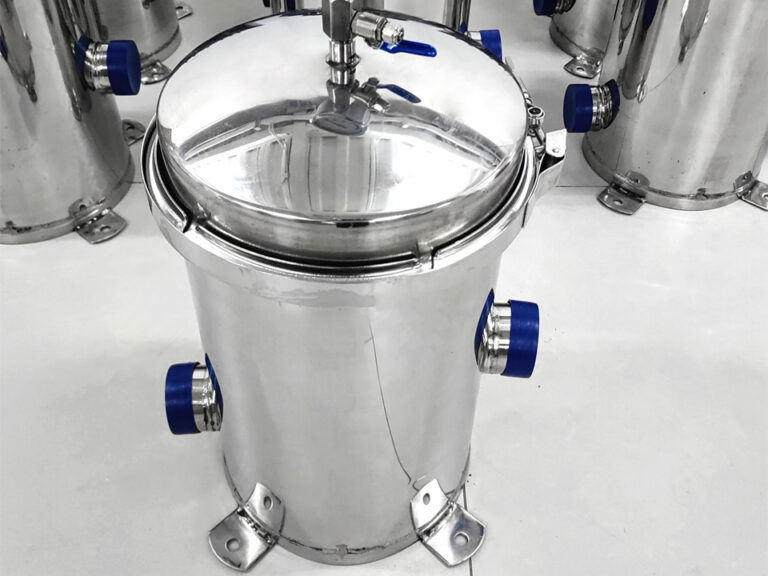
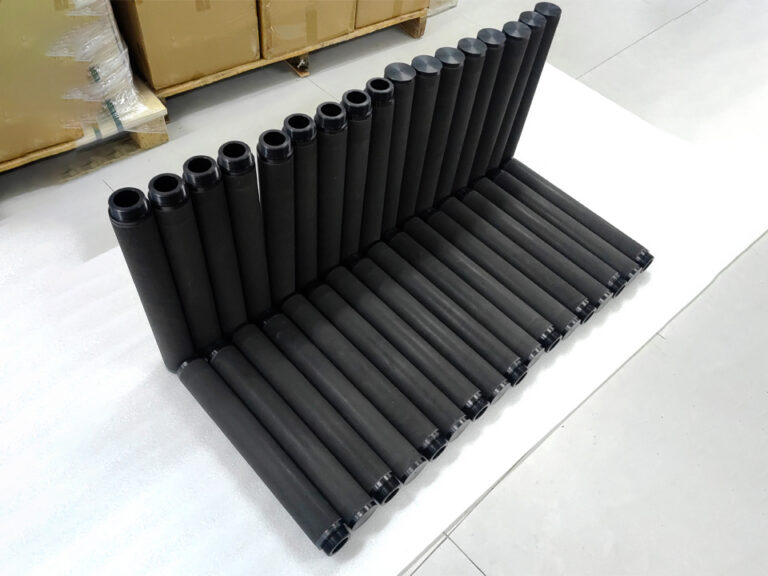
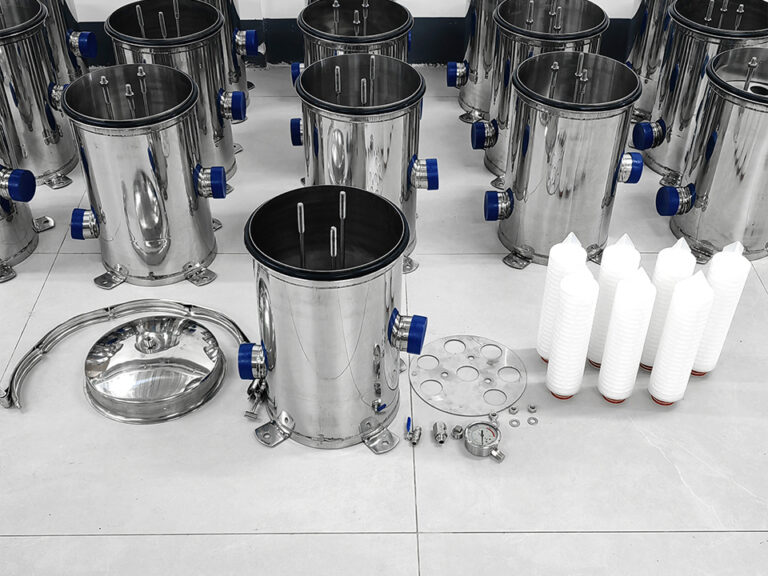
Guangzhou Lvyuan Water Purification Equipment Co., Ltd. is an industrial filter manufacturer founded in 2009 that designs and manufactures stainless steel filter housings, stainless steel sterile water tanks, filter elements, filter bags, ultra-polymer materials, and sintered filter products. Buyers choose Lvyuan for OEM/ODM support, ISO9001 quality control, and multi-country certifications.
Guangzhou Lvyuan Water Purification Equipment Co., Ltd.
How to Estimate Filter Cartridge Life in Hours or m3
I claim that since filter cartridge life is usually marketed as a tidy number– 3 months, 6 months, 10,000 liters– when the genuine solution is a relocating target formed by flow price, put on hold solids, thickness, pore structure, temperature, operator discipline, and one unsightly variable nobody wants to possess: real dust load.
So why do plants still buy filters using pamphlet math?
Since brochure math is simple. Area math is not. However field math is the only point that keeps a purification line from choking on a Friday night, particularly when the cartridge is shielding a pump, membrane layer skid, sterilized air vent, medical suction system, pneumatic exhaust, or downstream brightening system.
Table of Contents
What Filter Cartridge Life In Fact Indicates
Filter cartridge life is the valuable operating duration prior to a cartridge comes to be too packed, also limiting, as well infected, or too high-risk to proceed going for the needed circulation and high quality level.
That can be gauged in hours, m3, litres, batches, or pressure-drop surge. I favor m3 for liquid systems and hours for air, gas, venting, and intermittent-duty systems. The hard truth: schedule time is typically the weakest dimension.
A cartridge being in a tidy loophole for 90 days might still be great. A cartridge filtering 30 NTU inbound water with iron, clay, biofilm, and reducing oil might be dead before lunch.
This is why filter cartridge life expectancy is not a “item attribute.” It is a procedure result.
As an example, a sintered PE polyethylene filter for liquid might behave really in a different way from a pleated PP deepness cartridge because pore geometry, surface, media compression, and maintained solids circulation are different. The same goes for a sintered copper powder filter made use of in gas, oil, pneumatically-driven, or high-temperature applications; metal media can tolerate misuse that would certainly warp or blind polymer media, yet it still has a limited loading curve.
The Formula Nobody Intends To Put on the Quote Sheet
Below is the standard filter cartridge life computation:
Cartridge life in m3 = functional dirt-holding capacity ÷ incoming solids focus
In sensible units:
Life quantity = DHC/ TSS
Where:
DHC = dirt-holding capacity, normally grams TSS = total suspended solids, typically g/m3 m3 life = estimated cubic meters prior to substitute
After that:
Life in hours = estimated m3 capability ÷ circulation price in m3/h
Simple? Yes.
Hazardous? Also yes.
Due to the fact that ranked dirt-holding capacity is often examined under regulated lab problems making use of typical bits, consistent circulation, tidy water, and secure temperature. Your plant might be feeding the cartridge with starch penalties, corrosion, calcium carbonate, algae pieces, turned on carbon dust, polyethylene powder, or stainless brightening deposit. Those solids do not pack media equally.
A 2023 Scientific Reports research on filter elements in the area boundary stations complied with a six-month examination duration and found that a nano filter with 19 additional pleats kept gas-flow stress while capturing more particles than a traditional filter. That is the component buyers should stress over: pleat matter and media structure can alter both packing behavior and pressure stability, not simply small micron score.
Quote by m3: The Cleanser Method for Liquid Filtration
If you are filtering water, solvent, beverage, plating service, RO pretreatment water, coolant, or process liquid, m3 is the honest language.
Below is a working example.
A cartridge has a functional dirt-holding ability of 120 g. Incoming liquid includes 8 mg/L suspended solids.
Transform 8 mg/L:
8 mg/L = 8 g/m3
Then:
120 g ÷ 8 g/m3 = 15 m3
If circulation is 2 m3/h:
15 m3 ÷ 2 m3/h = 7.5 hours
That number feels harsh. Good. Fact frequently is.
Now include a security element. I generally cut the estimate by 25– 40% unless the consumer has steady laboratory data over a number of sets. To ensure that 15 m3 theoretical life comes to be 9– 11 m3 planned life. That is the difference in between scheduled upkeep and a shutdown camouflaged as rotten luck.
For tiny components, such as sintered permeable PE PP filter discs, the m3 figure might be tiny, but the logic coincides: usable pore quantity, pollutant loading, stress limit, and retained-flow requirement determine the substitute point.
Quote by Hours: Better for Air, Gas, Venting, and Intermittent Systems
Filter cartridge life in hours is the operating time before the cartridge reaches its replacement limitation under a known obligation cycle, pressure-drop threshold, and pollutant loading problem.
Air and gas systems are sneaky. A cartridge might run 2,000 schedule hours but only see 300 loaded operating hours. Or the opposite: a messy compressor intake can penalize media constantly while the maintenance log makes believe absolutely nothing is happening.
For pneumatically-driven mufflers, vents, vacuum cleaner systems, and medical suction filters, hours must be tied to real solution conditions. A plastic silencer pneumatically-driven quick exhaust muffler might not be a classic liquid cartridge, yet the very same caution uses: dust, oil haze, dampness, and backpressure progressively change the element’s actions.
And in medical suction? No thinking. A PE sintered medical filter can be picked for airing vent, purification, and self-sealing behavior, yet replacement needs to follow danger, not optimism. When biological fluid, aerosol threat, or cross-contamination risk goes into the space, the “can it still move?” question is as well tiny.
Stress Drop Is the Reality Serum
Differential stress is the difference in between upstream and downstream pressure across the filter, and it rises as retained solids block pores, compress media, or limit circulation paths.
In the field, stress decrease informs you what sales literature can not. A filtering reference clarifies that cartridge stress decline boosts as the cartridge accumulates dirt and ends up being more resistant to move, while real estate pressure decrease remains roughly consistent if circulation rate and fluid density remain constant. It additionally offers the standard system equation: ΔP = ΔP cartridge + ΔP real estate.
That distinction issues.
If overall ΔP leaps from 0.2 bar to 1.2 bar, do not immediately criticize the cartridge. Examine real estate ports, flow spikes, viscosity modification, caught air, clogged up downstream shutoffs, broke down media, set contamination, and pump behavior.
However if ΔP climbs gradually with volume refined, you are enjoying filter cartridge life span being consumed in genuine time.
A Practical Substitute Arrange That Does Not Shame You Later
A filter cartridge substitute schedule should be based on stress decrease, processed quantity, item high quality, batch threat, and assessment background– not schedule time alone.
I like four triggers:
First, established a optimum ΔPSeveral liquid cartridge systems replace at 1.5– 2.5 bar differential pressure, yet the proper worth depends on housing ranking, cartridge layout, gasket sealing, circulation demand, and procedure danger.
Second, set a optimum m3 throughput. This is your scheduled replacement volume.
Third, established a quality trigger. Turbidity, particle matter, microbial result, haze, conductivity change, or downstream membrane fouling may end the run before stress decrease does.
4th, established a danger trigger. Clean and sterile, medical, lab, pharmaceutical, and high-purity systems need to not go to failure.
The regulatory climate is moving in the exact same instructions: less reasons, even more proof. EPA’s FY 2024 enforcement results reported over 1,800 concluded civil situations, more than 8,500 evaluations, $ 1.7 billion in fines, and 227 million pounds of pollution removed in loaded down communities. That is not a filter cartridge statistic, but it is a compliance cautioning to every plant treating discharge water as a maintenance side concern.
The m3 vs Hours Decision Table
Circumstance
Use m3
Usage Hours
Replacement Trigger I Trust Fund The Majority Of
Typical Error
Liquid prefiltration
Yes
Often
ΔP + processed quantity
Using calendar months just
RO pretreatment
Yes
Yes
SDI/turbidity + ΔP
Waiting until membrane fouling shows up
Medical suction filter
Sometimes
Yes
contamination threat + feature
Dealing with self-sealing filters like ordinary vents
Pneumatically-driven exhaust muffler
No
Yes
backpressure + noise/flow modification
Overlooking oil mist
Lab pipette suggestion filter
No
Yes/batch matter
contamination security
Reusing beyond confirmed protocol
Steel powder/sintered gas filter
Often
Yes
ΔP + cleansing healing
Assuming cleanable means immortal
Process brightening cartridge
Yes
Yes
product top quality + ΔP
Relying on small micron rating alone
Functioned Instance: From Raw Water to Replacement Factor
Allow’s claim you have a fluid line running:
Flow: 5 m3/h TSS: 12 mg/L Cartridge functional DHC: 300 g Starting ΔP: 0.18 bar Substitute ΔP: 1.5 bar
Transform TSS:
12 mg/L = 12 g/m3
Calculate academic life:
300 g ÷ 12 g/m3 = 25 m3
Determine hours:
25 m3 ÷ 5 m3/h = 5 hours
Now apply a 30% security aspect:
25 m3 × 0.70 = 17.5 m3
17.5 m3 ÷ 5 m3/h = 3.5 hours
That is your first substitute routine. Not your last timetable. Your very first.
Run three cycles. Tape ΔP every half an hour. Step turbidity or bit count prior to and after the cartridge. If the cartridge gets to 1.5 bar at 14 m3, your genuine timetable is not 17.5 m3. It is 14 m3 minus your threat buffer.
This is the factor where I usually annoy buying departments. They desire the cheapest cartridge. I desire the cartridge that makes the maintenance timetable boring.
Why Micron Ranking Is Overrated
Micron score informs you particle retention habits under a specified test problem; it does not, by itself, tell you cartridge life, dirt-holding capacity, circulation stability, chemical compatibility, or replacement timing.
A 5 μm cartridge with reduced surface area can pass away faster than a 1 μm cartridge with much better pleat geometry and higher filling deepness. A small 10 μm cartridge can pass sufficient fines to ruin a downstream membrane layer. A magnificently efficient absolute-rated aspect can blind very early if the incoming liquid brings gelatinous organics.
That is why filter cartridge capability in m3 has to be checked against your feed stream.
For lab and medical-adjacent components, such as permeable PE filters for filtered pipette tips, the replacement logic is not simply “just how much dust can it hold?” It is likewise “what contamination obstacle is required, and what failing mode is undesirable?”
Compliance Has Actually Gotten In the Conversation
In 2024, the EPA settled stronger wastewater discharge criteria for coal-fired nuclear power plant under 40 CFR Part 423, targeting flue gas desulfurization wastewater, bottom ash transportation water, burning recurring leachate, and tradition wastewater. EPA approximated the policy would reduce toxin discharges by around 660 million to 672 million extra pounds each year.
Why bring that up in a cartridge-life short article?
Because purification choices progressively live inside conformity systems. If a cartridge is utilized before tasting, pretreatment, discharge, reuse, or polishing, the replacement timetable becomes part of the proof chain. The 2024 Tidy Water Act Methods Update Guideline likewise explains procedures where samples are filteringed system and chemically adjusted, including hexavalent chromium analysis at pH 9– 9.5 in industrial wastewater contexts.
No assessor cares that your vendor promised “lengthy service life.” They care what your documents verify.
The Field Checklist I Would Actually Use
Prior to approximating filter cartridge life, accumulate these numbers:
Influent TSS in mg/L Flow rate in m3/h Starting ΔP in bar or psi Optimum enabled ΔP. Cartridge dirt-holding capability in g Liquid thickness in cP Temperature in ° C Needed micron score and beta proportion Housing version and cartridge matter Set quantity or day-to-day throughput Cleansing cycle, if reusable Failing price per hour
Then compel the supplier to address one question:
At what examination problem was the dirt-holding ability gauged?
If they can not address, downgrade the number. I am severe. A filthy number honestly identified is much better than a polished number without any examination approach behind it.
FREQUENTLY ASKED QUESTION
Just how do you calculate filter cartridge life?
Filter cartridge life is determined by dividing usable dirt-holding capacity by inbound contaminant concentration, then separating the resulting treated quantity by circulation price to convert m3 right into running hours. The estimate ought to be remedied making use of pressure-drop data, product quality checks, and a safety element based upon procedure risk.
Formula:
Life in m3 = dirt-holding ability ÷ solids concentration
Life in hours = life in m3 ÷ flow price
What is the normal filter cartridge lifespan?
Regular filter cartridge life expectancy is the operating period a cartridge can maintain needed circulation, stress drop, and purification quality before substitute, and it can range from minutes in unclean process fluids to months in tidy solution. The proper lifespan depends upon contaminant lots, flow rate, media area, thickness, and risk resistance.
For industrial liquid filtering, I would rather see a plant specify life-span as m3 treated at appropriate ΔP than “three months.” 3 months informs me nearly absolutely nothing.
Should I approximate filter cartridge life in hours or m3?
Filter cartridge life should be estimated in m3 for fluid systems and in hours for air, gas, venting, pneumatically-driven, or intermittent-duty systems, although several commercial processes should track both. The very best statistics is the one that matches real impurity loading and anticipates substitute prior to stress or quality failure.
For a liquid prefilter, m3 is normally cleaner. For a clinical suction air vent, operating hours and contamination-risk events matter extra.
What stress decline means the cartridge should be replaced?
Replacement stress decrease is the optimum differential stress at which the cartridge can still run securely, preserve needed circulation, and secure downstream tools or item quality. Several industrial fluid systems make use of a functional substitute band around 1.5– 2.5 bar, but the appropriate worth needs to originate from the cartridge, real estate, and process restrictions.
Do not replicate an additional plant’s ΔP limit unless you additionally copied its fluid, housing, flow price, temperature level, and pollutant profile.
Why did my cartridge fall short earlier than the provider predicted?
A cartridge stops working earlier than forecasted when the genuine process conditions are harsher than the distributor’s examination conditions, typically due to the fact that impurity focus, fragment shape, viscosity, biological growth, oil, temperature level, or circulation cycling boosts filling resistance. Provider life cases typically think cleaner, steadier, much more regulated conditions than genuine production permits.
In ordinary language: your feed stream is most likely uglier than the sales brochure.
Conclusion
If you are approximating filter cartridge life for fluid, gas, pneumatically-driven, medical, or OEM filtering assemblies, begin with the formula– but do not quit there. Send your circulation rate, liquid kind, impurity information, target micron score, real estate size, and replacement stress limitation, and develop the routine around actual filling actions as opposed to uncertainty.