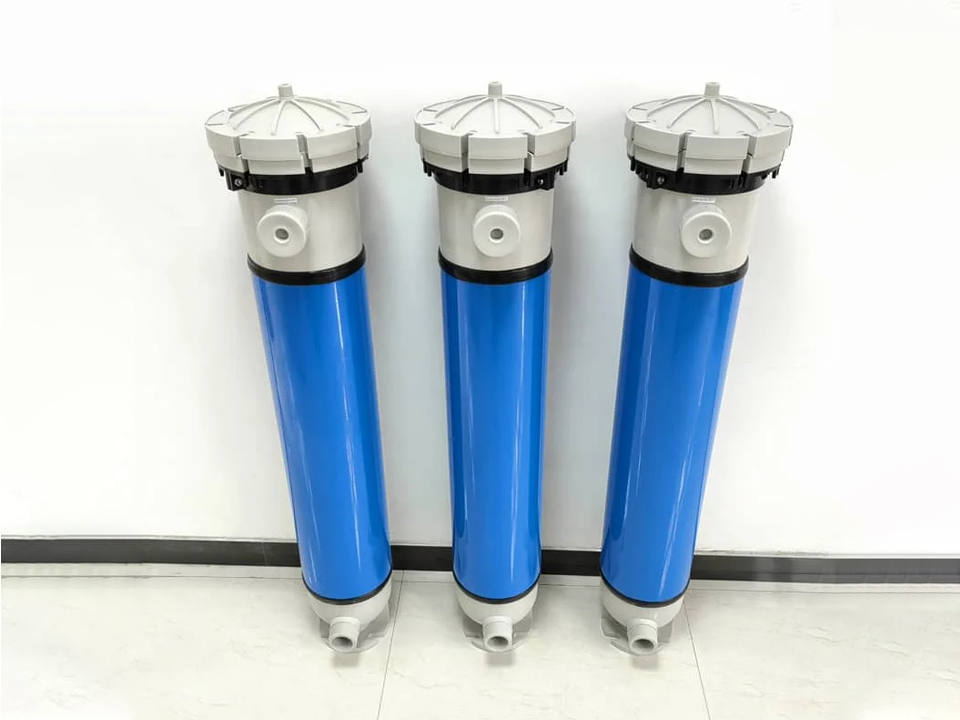
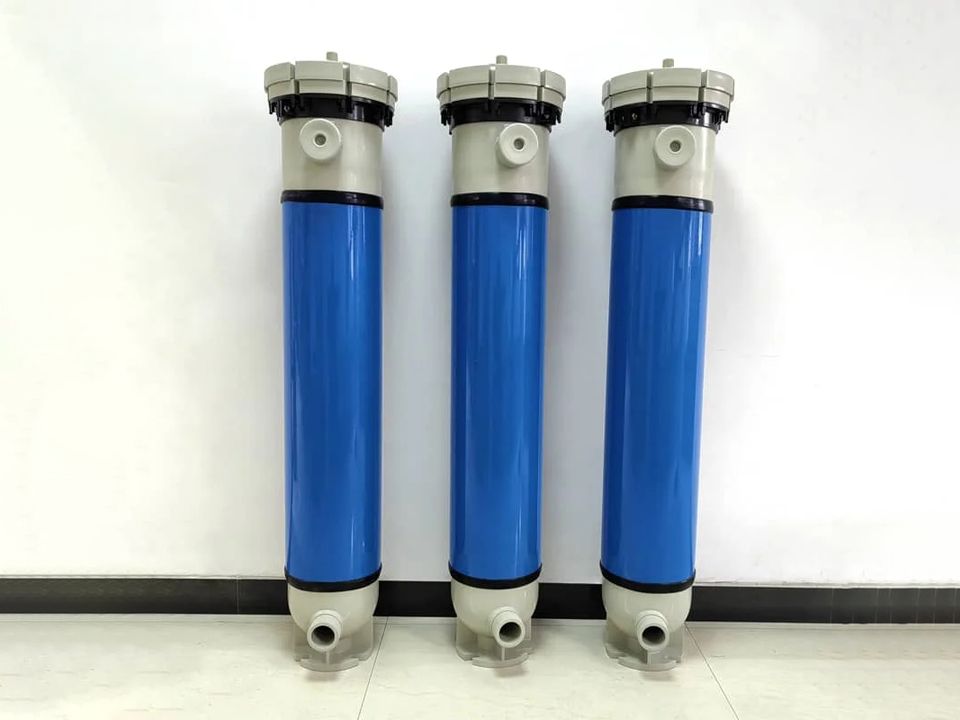
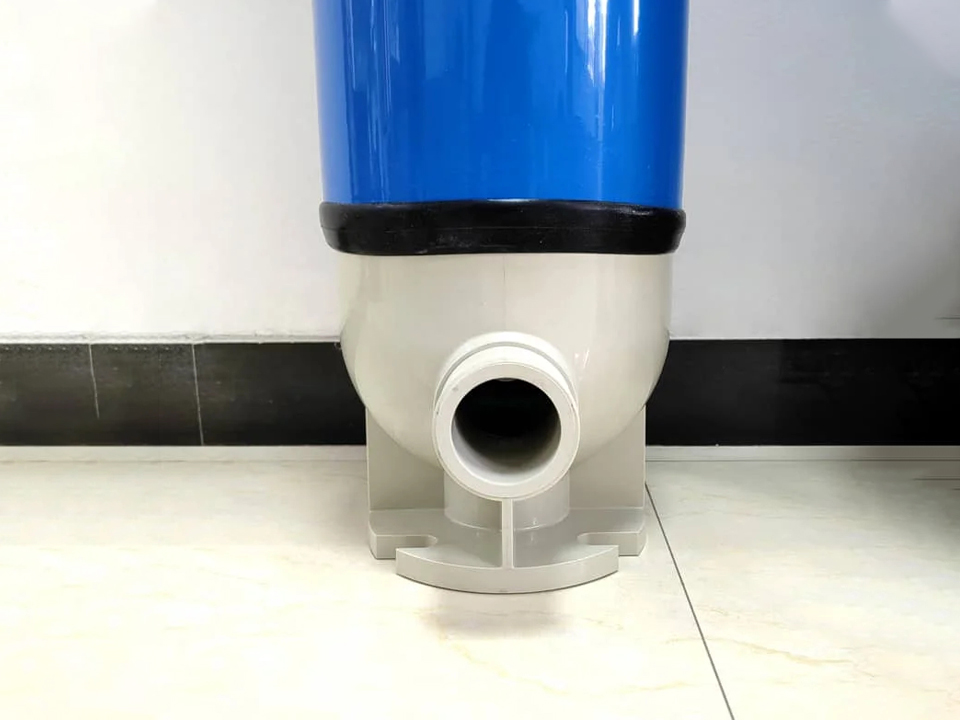
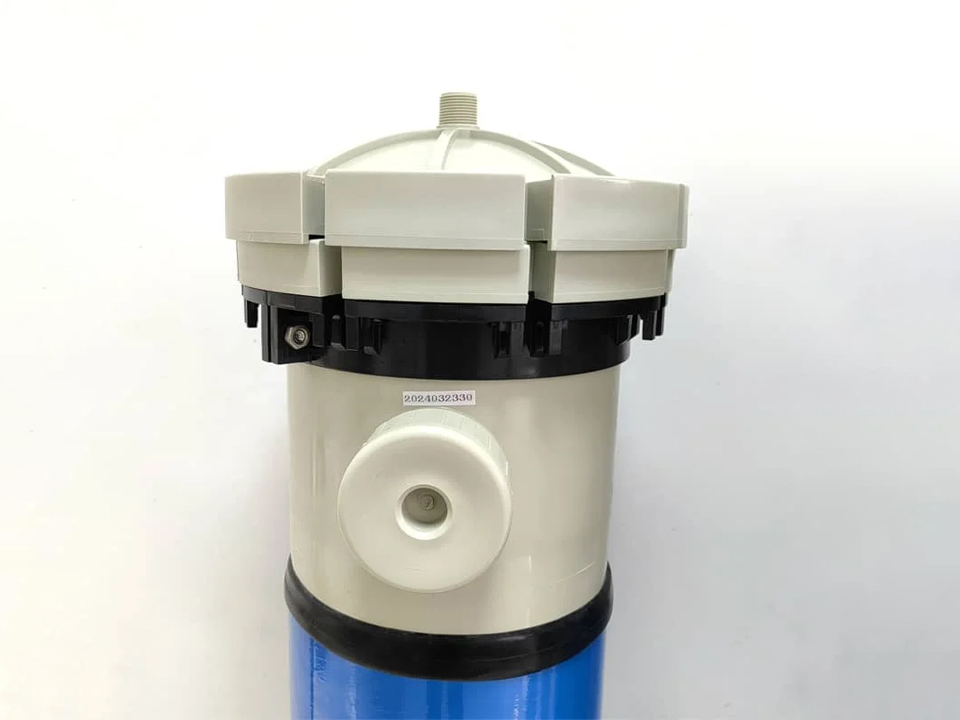
Guangzhou Lvyuan Water Purification Equipment Co., Ltd. is an industrial filter manufacturer founded in 2009 that designs and manufactures stainless steel filter housings, stainless steel sterile water tanks, filter elements, filter bags, ultra-polymer materials, and sintered filter products. Buyers choose Lvyuan for OEM/ODM support, ISO9001 quality control, and multi-country certifications.
Guangzhou Lvyuan Water Purification Equipment Co., Ltd.
Carbon and Sediment Filter Housings in Commercial RO Systems
Same skid, same angry maintenance log, same “bad membrane batch” theory floating around the room like cigarette smoke. Then we cracked open the pretreatment train and found a sediment cartridge that looked like wet cement, a carbon housing running beyond its real flow window, and no usable pressure readings across either stage. That’s not a membrane failure. That’s a slow-motion setup.
Here’s the ugly truth: Commercial RO Filter Housings are treated like plumbing hardware until the invoice arrives.
They’re not glamorous. Nobody brags about a sump wrench. But those carbon and sediment housings decide whether the RO sees stable feedwater or a dirty cocktail of rust fines, chlorine, pipe scale, carbon dust, and operator neglect. The membrane just takes the punch.
And in 2024, this stopped being a back-room issue. EPA’s PFAS rule put treatment technologies like GAC, ion exchange, reverse osmosis, and nanofiltration into board-level discussions, not just maintenance-shop arguments, and EPA’s own supporting materials flag RO/NF pretreatment as part of the fouling and plugging conversation. Read the EPA 2024 PFAS supporting materials and you’ll see why filtration specs are getting less casual.
Table of Contents
The little vessel everyone underestimates
But here’s what actually happens in the field.
A reverse osmosis prefilter housing gets bought as an afterthought, usually by someone staring at cartridge length, port size, and price, while ignoring the dirt load, delta-P creep, sump clearance, gasket chemistry, and the operator who has to service the thing at 6:40 p.m. on a Friday.
Not smart.
A sediment filter housing for RO system service has to catch the ugly stuff first: rust flakes, sand, pipe scale, iron fines, colloids, installation junk, and whatever came loose upstream after somebody opened a valve too fast. If it plugs too quickly, the high-pressure pump starves. If it bypasses, the membrane fouls. If the housing cracks, everybody suddenly remembers “pretreatment” exists.
For dirty feedwater or plants with solids swings, I frankly believe a simple cartridge-first design is lazy. Put something tougher ahead of it. A properly sized industrial bag filter housing OEM/ODM design can eat the big load before the cartridge housings get sacrificed.
Carbon isn’t decoration
Carbon gets oversold and undersized. Constantly.
A carbon filter housing for RO system pretreatment isn’t there to make water “taste better” in some residential-filter sense. It’s there because thin-film composite RO membranes don’t tolerate oxidants well, and free chlorine is one of the classic membrane killers. DuPont’s FilmTec manual is blunt about this: residual free chlorine should be removed before RO/NF membrane exposure, activated carbon can reduce free chlorine, and oxidation damage isn’t covered under warranty. The manual even gives the dechlorination reaction, C + 2Cl₂ + 2H₂O → 4HCl + CO₂. See the DuPont FilmTec RO/NF technical manual.
That warranty line should scare buyers more than it does.
A carbon stage needs real contact time. Not “the cartridge fits, ship it.” Flow rate, chlorine load, temperature, channeling risk, cartridge geometry, EBCT, and changeout discipline all matter. A tiny carbon block jammed into a high-flow commercial RO line is not protection—it’s a prop.
And please—put a chlorine test point after carbon. Without that, you’re guessing. Expensively.
Sediment housings expose cheap design fast
However, sediment is where the fairy tales die.
A catalog might say “5 micron, high flow, 20 inch RO filter housing.” Lovely. But the feedwater doesn’t care about the catalog. It cares about suspended solids, SDI, turbidity spikes, old galvanized pipe, seasonal mud, carbon fines, biofilm slough, and whether the operator has enough room to unscrew the sump without punching a wall.
Seen it happen.
From my experience, commercial RO pre filter housing failures usually come from three sins: undersized ports, no pressure gauges, and treating cartridge micron rating like a magic spell. Five micron isn’t magic. One micron isn’t holy. A tighter cartridge installed too early can become a suction-side choke that wrecks the whole skid’s mood.
Overkill? Sometimes. Cheaper than membrane autopsies? Usually.
The pressure-drop lie
Clean-water flow charts are marketing comfort food.
They tell you what the housing does on day zero with polite water and no dirt. Real commercial water is rude. It carries iron fines, carbon fines, pipe scale, sand, biofilm crumbs, resin dust, clay, and once in a while, the weird stuff nobody admits came from commissioning debris.
EPA’s March 2024 WaterSense at Work guidance tells commercial and institutional users to use pressure gauges for filtration and to track service by volume or water quality in carbon filtration, DI, and softening—not just by calendar habit. That’s boring advice. It’s also correct. The EPA WaterSense at Work water purification section says the quiet part out loud: measure the process instead of pretending maintenance intervals are universal.
No gauges? No truth.
A good RO prefilter setup should have inlet and outlet gauges across each housing, isolation valves, drains, sample ports, and enough clearance to change cartridges without performing maintenance yoga. If that sounds basic, good. Basic gets missed all the time.
The 20 inch RO filter housing trap
A 20 inch RO filter housing sounds serious.
It might be. It might also be a slightly larger mistake.
The length gives more cartridge area and more dirt-holding capacity than a 10 inch housing, but diameter, port size, cartridge construction, pleat geometry, media density, bypass sealing, and flow per cartridge still decide whether it works. A 20 inch slimline housing can be laughably wrong on a busy commercial RO skid. A 20 inch big-blue-style housing can help. Parallel banks may be better. Stainless may be necessary.
Depends.
I don’t care how clean the spec sheet looks if the service tech can’t open it, the O-ring rolls every changeout, and the port velocity is too high. That system will teach people bad habits: stretching cartridges, bypassing stages, ignoring delta-P, and blaming membranes later.
Yet the market keeps pretending pretreatment is a side dish.
EPA’s 2024 PFAS cost and technology work discusses GAC, ion exchange, RO, and nanofiltration in the context of drinking-water treatment costs and performance, including the kind of full-scale and pilot-scale evidence that makes filtration choices harder to wave away. The EPA Technologies and Cost for Removing PFAS from Drinking Water report is not light reading, but it does make one thing clear: carbon and membrane systems are infrastructure decisions, not accessory purchases.
And WaterSense gives a number operators should tattoo somewhere: large RO systems often recover 50–75% of feedwater, optimized systems can exceed 90%, and the Sandia National Laboratories example hit 95% recovery after pretreatment before the membranes. That’s not brochure fluff; it’s a reminder that pretreatment changes reject volume, pump behavior, membrane life, and water bills.
Tiny housing. Big consequences.
Carbon vs sediment housing selection table
Decision Point
Sediment Filter Housing
Carbon Filter Housing
My Field Opinion
Main job
Capture particles: rust, sand, silt, scale, cartridge fines
Reduce chlorine, oxidants, taste/odor organics, some adsorbable contaminants
Chlorine breakthrough, carbon fines, channeling, insufficient contact time
Breakthrough is quieter than clogging and usually more expensive
Smart upgrade
Bag filter or metal prefilter before cartridge stage
Larger housing, parallel carbon banks, test ports
Parallel housings reduce panic maintenance
Bad shortcut
One tiny 5 micron cartridge before a large RO skid
Undersized carbon block at high flow
Cheap pretreatment creates expensive membranes
How I’d actually specify the prefilter train
Start with the water sample. Then another one.
One lab report from a calm Tuesday morning doesn’t tell the whole story. I want feed flow, pressure, temperature, turbidity, SDI if available, free chlorine, chloramine, iron, manganese, hardness, TOC, microbial risk, and source type—municipal, well, process reuse, surface water, blended supply, whatever weird hybrid the plant actually runs.
Then I build the train like this, and yes, it annoys budget buyers.
Sediment guard first. If the water has visible solids, use a bag filter, mesh stage, or stainless prefilter before cartridge filtration. Don’t ask a fine cartridge to be a trash basket.
Fine sediment second. Five micron is common. One micron can be useful. But too fine too early creates pressure-drop drama and angry pump curves.
Carbon third. Size it for contact time and oxidant load. Add a sample point after carbon. Test it. Write the number down.
Final polish if needed. If carbon fines are possible, add a final 1–5 micron cartridge after carbon before the pump.
That’s the sane version. The cheap version is a one-box RO sediment and carbon prefilter kit that looks good on a quote and performs like a compromise. I’ve seen too many of those.
The buying mistakes nobody admits after startup
But the biggest mistakes are painfully ordinary.
People buy ¾-inch port housings for flows that need more breathing room. They install housings so close to the floor that cartridge changes become a wrestling match. They use Buna-N where chemical exposure really wanted EPDM, Viton, silicone, or PTFE. They stack housings with no isolation valves. They forget drains. They forget labels. They forget that wet cartridges are heavy.
And then everyone acts surprised when maintenance stretches changeouts.
Here’s another one: confusing cartridge length with capacity. A 20 inch RO filter housing doesn’t guarantee proper dirt loading, just like a bigger bucket doesn’t fix bad plumbing. Media type, pleat pack, end-cap seal, core strength, flow distribution, and solids profile decide the real service interval.
Last one, and it’s my favorite red flag: no post-carbon chlorine check. If nobody can prove carbon is removing free chlorine, the membrane is the test strip. Bad practice. Worse economics.
FAQ
What is a commercial RO pre filter housing?
A commercial RO pre filter housing is the pressure-rated vessel that holds sediment, carbon, or specialty cartridge elements upstream of the RO membrane so particulate matter, chlorine, organics, and installation debris are intercepted before they can foul, oxidize, or hydraulically shock the membrane array.
Simple part, nasty job. It has to survive pressure, heat, cartridge loading, gasket compression, service abuse, and whatever the feedwater drags in. I want gauges across it, enough clearance under it, and a changeout rule based on delta-P or treated volume—not somebody’s calendar reminder.
How do you choose carbon and sediment filter housings for commercial RO?
Choose carbon and sediment filter housings for commercial RO by matching housing material, cartridge diameter, cartridge length, flow rate, pressure rating, seal chemistry, and service access to the actual feedwater analysis rather than to a catalog default, because the wrong housing can turn pretreatment into a pressure-drop machine.
My bias is simple: sediment protects carbon, carbon protects membrane, instrumentation protects everybody from guessing. If you don’t know the incoming solids load or chlorine behavior, you’re not specifying. You’re gambling with better formatting.
Is a 20 inch RO filter housing enough for commercial systems?
A 20 inch RO filter housing is an industrial prefilter vessel sized for 20-inch cartridges in commercial duty, typically used when flow demand, dirt load, or service interval exceeds what 10-inch housings can handle without frequent cartridge changes, labor spikes, or excessive differential pressure.
Sometimes it’s enough. Sometimes it’s just a bigger undersized stage. Check actual flow per cartridge, port size, pressure drop, cartridge diameter, solids loading, and service interval before treating “20 inch” like a performance guarantee.
Can sediment and carbon share one housing?
Sediment and carbon can share one housing only in small, low-risk RO packages using combo cartridges, but commercial RO systems usually separate them so operators can control micron rating, chlorine breakthrough, cartridge life, and differential pressure independently across the pretreatment train.
I don’t like combo cartridges on serious skids. Sediment loading and carbon exhaustion don’t follow the same clock. Separate housings let you change the dirty stage without wasting carbon, and they make troubleshooting less like reading tea leaves.
What micron rating should be used before a commercial RO membrane?
The best sediment micron rating before commercial RO is not a fixed number; it is the rating that keeps SDI, turbidity spikes, rust, pipe scale, and biological debris under control while maintaining stable feed pressure to the carbon stage and membrane pump.
Five micron is common. Twenty-to-five staging is often smarter. One micron can help when the water demands it, but it can also choke the system if used too early. The right answer comes from pressure trend, feedwater data, and cartridge life—not bravado.
Build the pretreatment train before blaming the membrane
I’ll say it plainly: most “bad membrane” stories are pretreatment stories with better costumes.
Commercial RO Filter Housings should make the membrane’s job boring. Stable feed pressure. No chlorine. Low particulate load. Predictable cartridge changeouts. Real gauges. Real sample points. No heroics with a strap wrench.