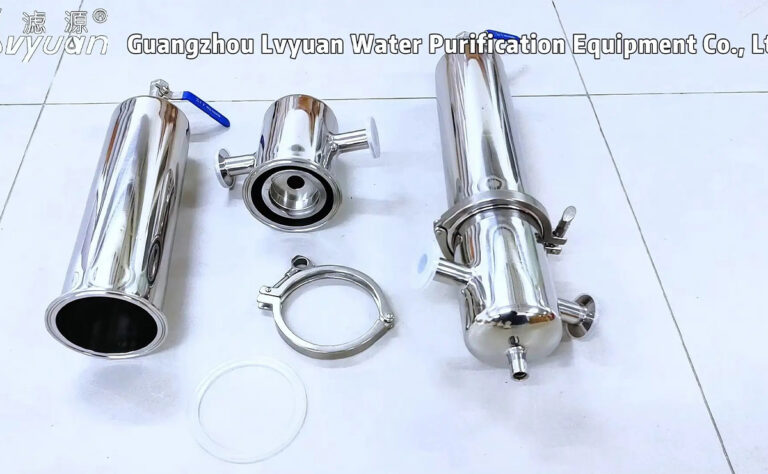
Sanitary Filter Housing Classification
By Material:
Stainless Steel 304: Commonly used due to its excellent corrosion resistance and affordability.
Stainless Steel 316L: Offers superior resistance to corrosion and is suitable for more demanding sanitary applications.
By Design:
Single Cartridge Housing: Designed for applications requiring the filtration of smaller volumes.
Multi-Cartridge Housing: Suitable for larger volumes and higher flow rates, accommodating multiple filter cartridges.
By Mounting Type:
Inline Filter Housing: Installed directly in the pipeline, ideal for continuous flow applications.
T-Style Filter Housing: Provides easy access for maintenance and filter replacement.
By Closure Mechanism:
Clamp Closure: Quick and easy to open, ideal for frequent filter changes.
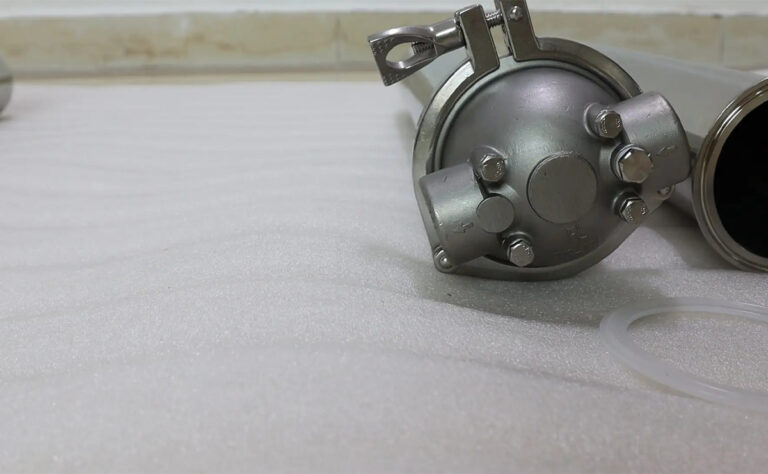
Bolt Closure: Offers a more secure seal, suitable for high-pressure applications.
By Connection Type:
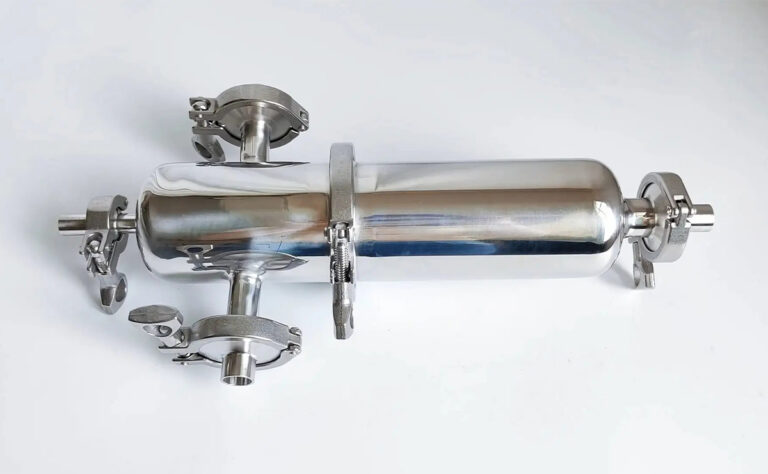
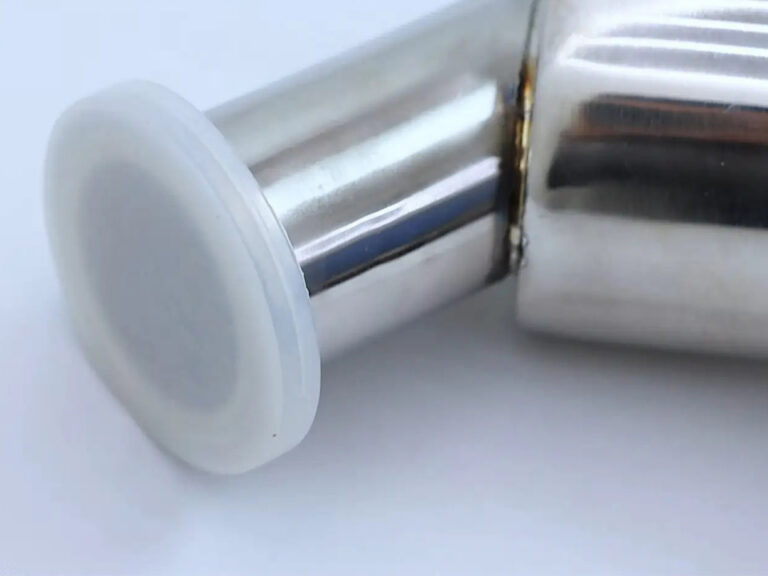
Tri-Clamp Connections: Common in sanitary applications for their ease of use and secure fit.
Threaded Connections: Standard for many applications, offering reliable sealing.
Flanged Connections: Used in larger systems or where a more robust connection is needed.
By Application:
Liquid Filtration: Used in processes requiring the removal of particles from liquids.
Gas Filtration: Designed to filter particulates from gases.
Steam Filtration: Specifically built to handle high temperatures and pressures in steam systems.
By Filter Element Compatibility:
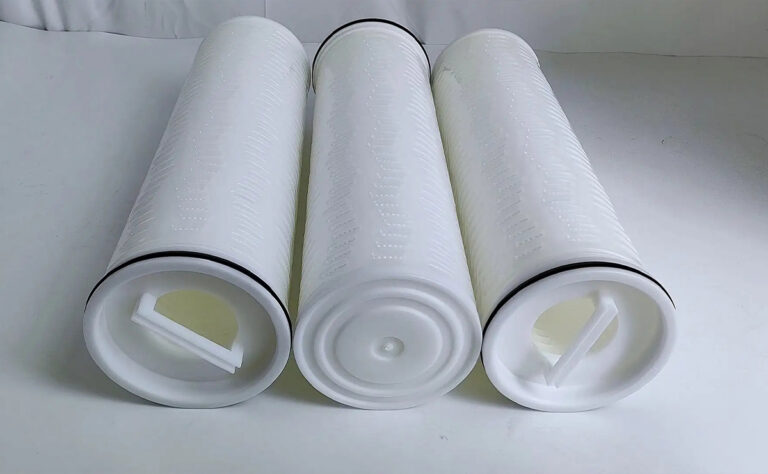
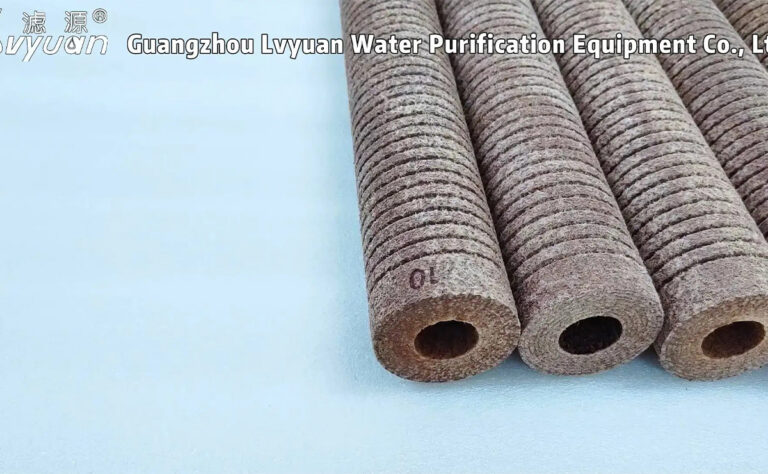
Pleated Filter Cartridges : High dirt-holding capacity and long service life.Depth Filter Cartridges: Efficient for high particle retention and large volume filtration.
Membrane Filter Cartridges: Used for fine filtration, including microbial removal.
By Surface Finish:
Electropolished: Provides a smooth, cleanable surface ideal for hygienic applications.
Bead Blasted: A matte finish that is easy to clean and maintain.
Polished: Offers a bright, mirror-like finish for superior hygiene.