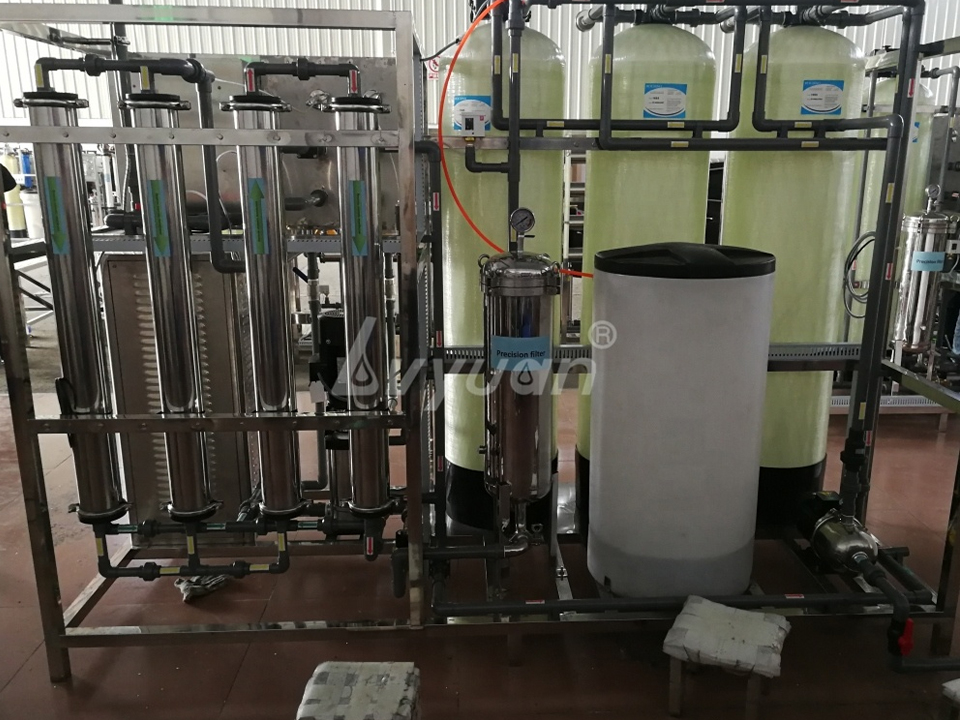
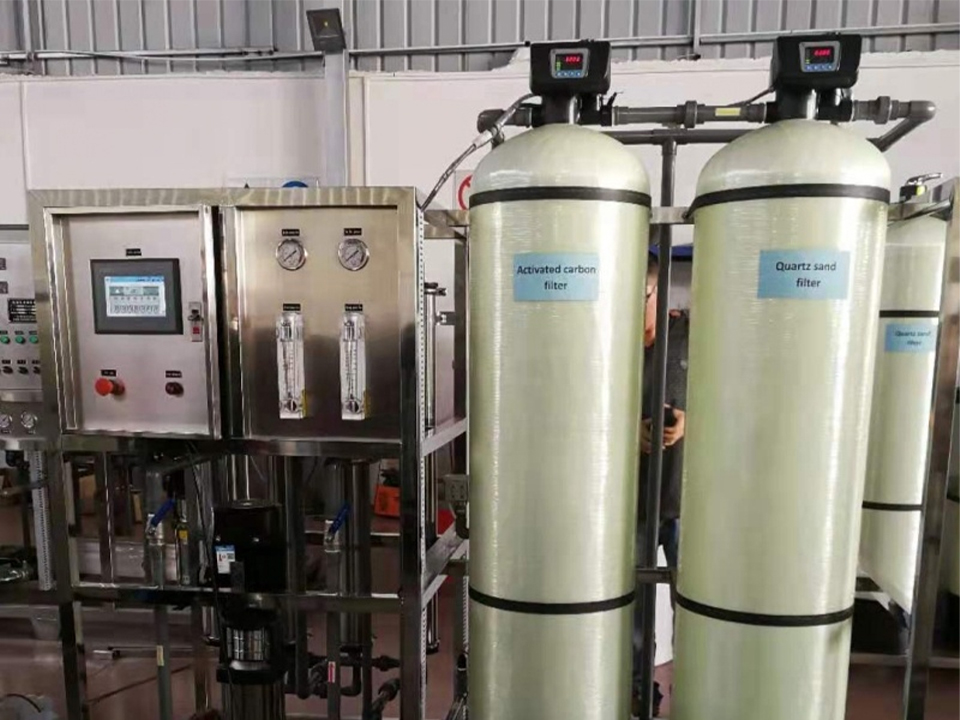
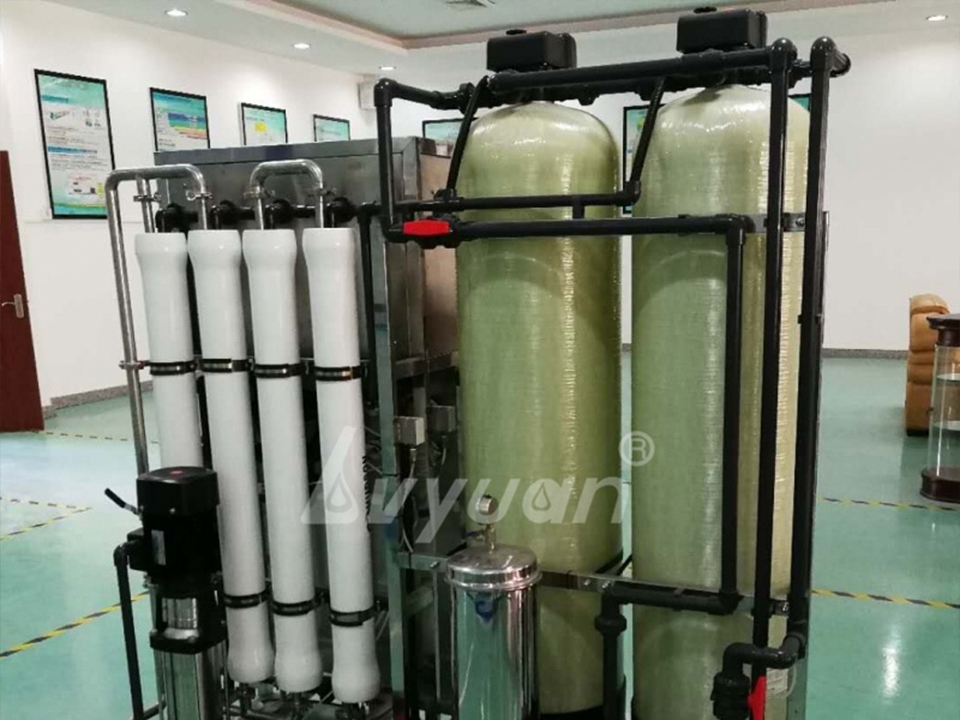
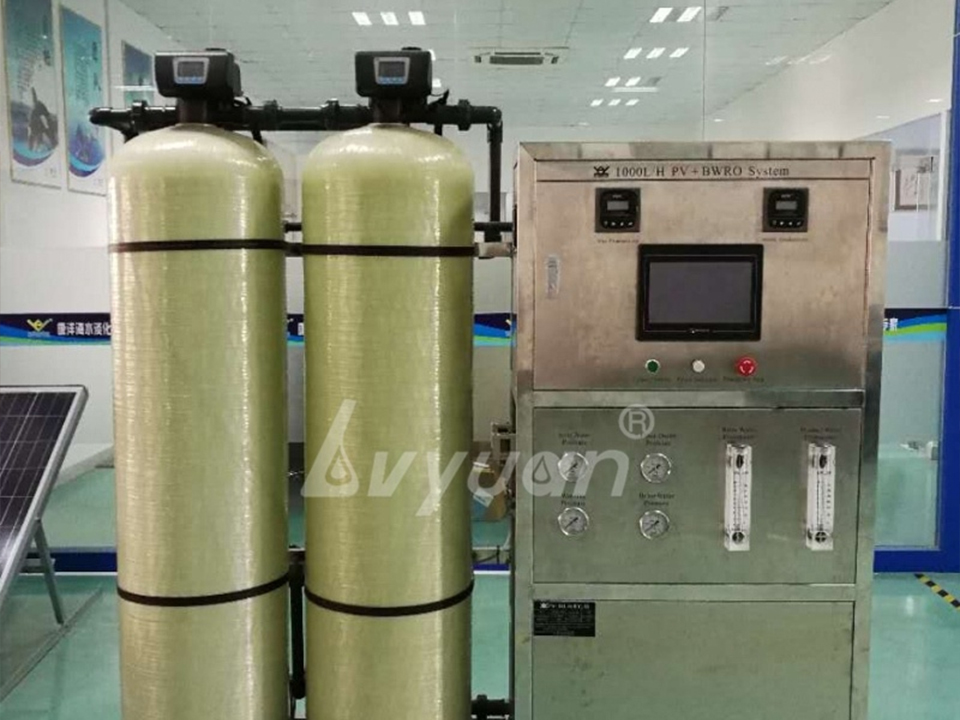
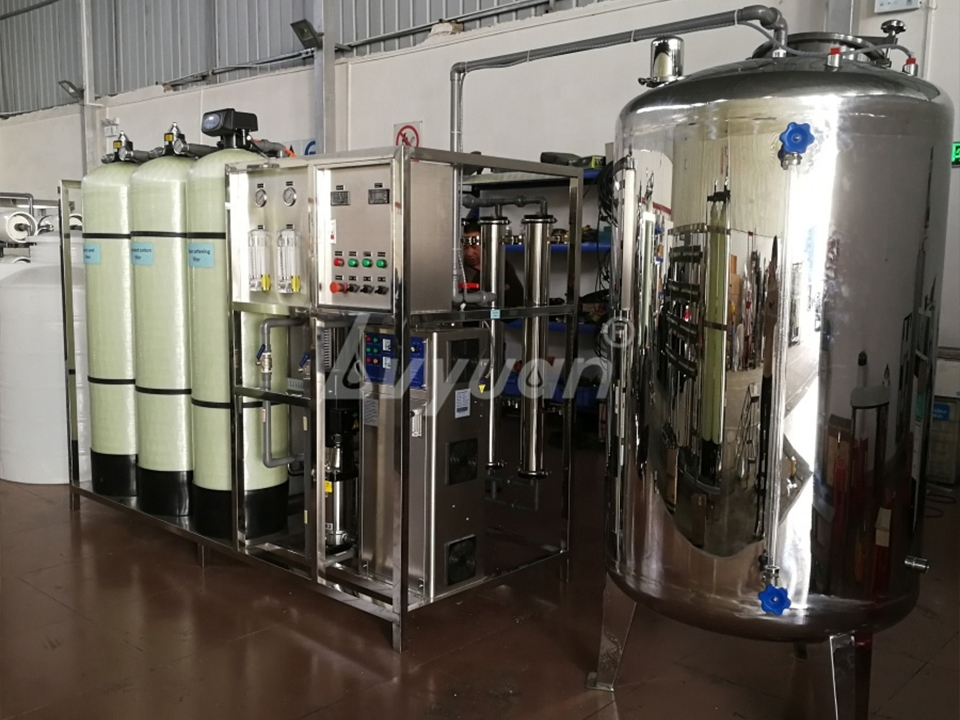
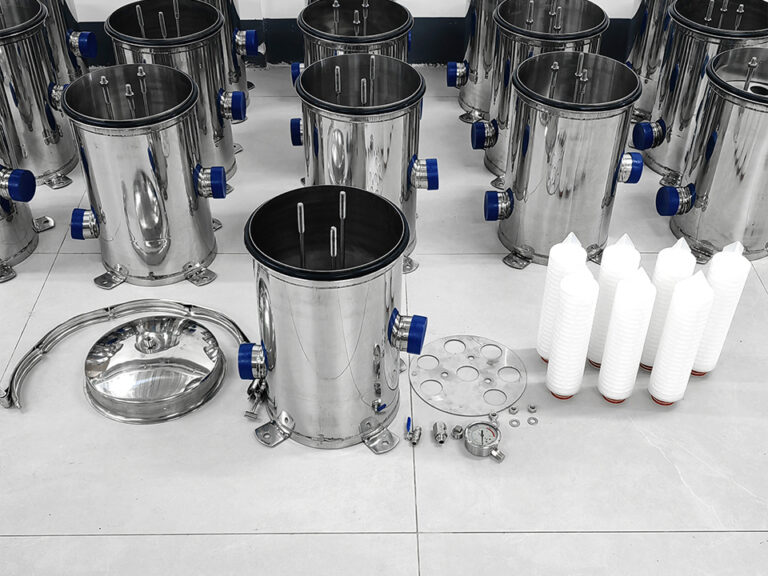
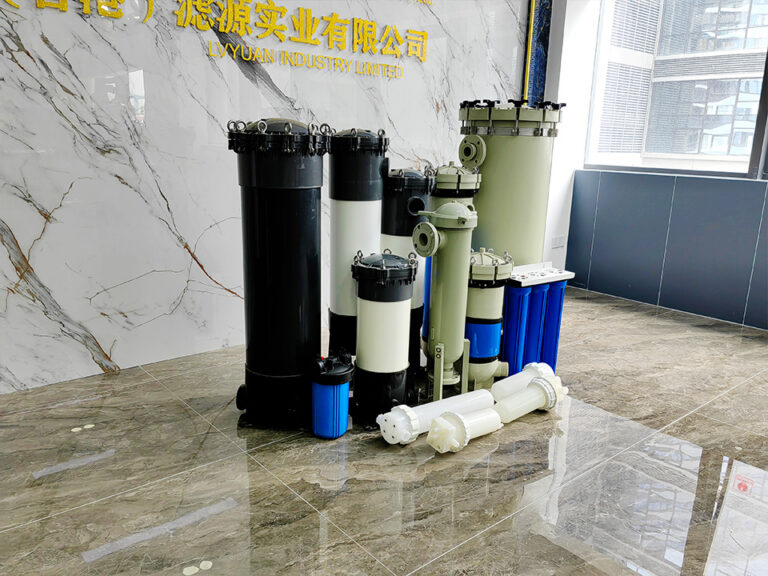
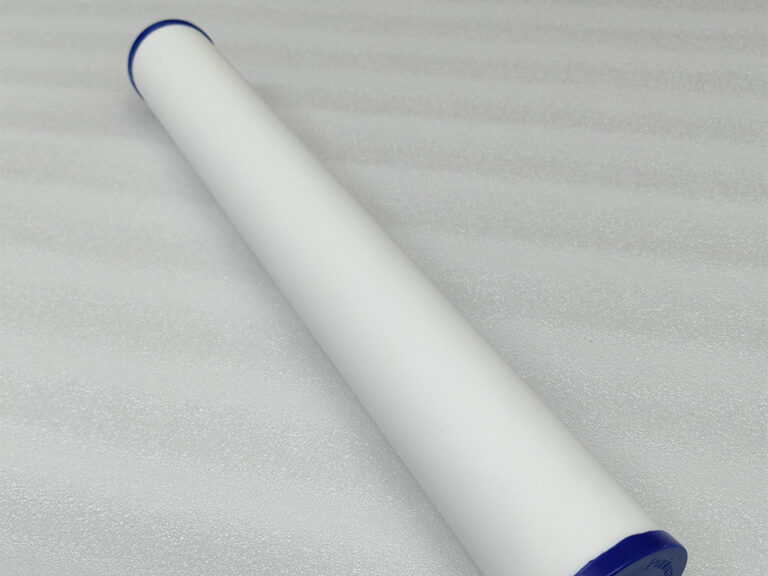
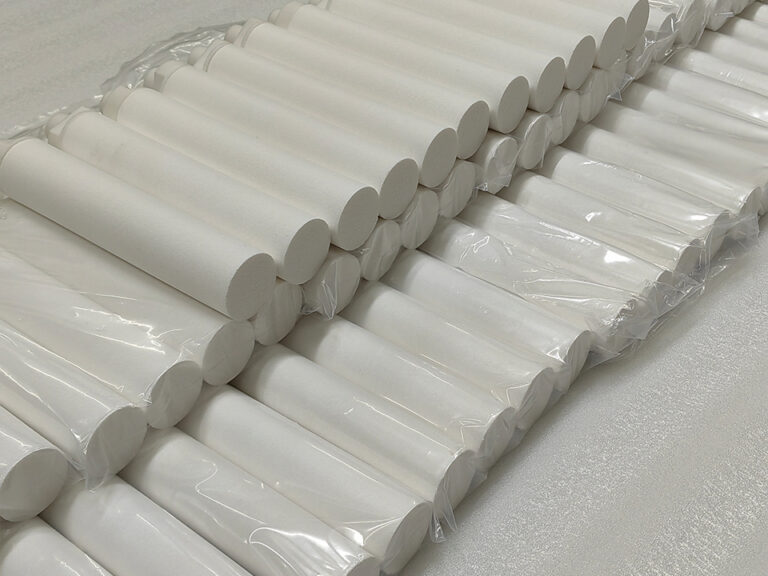
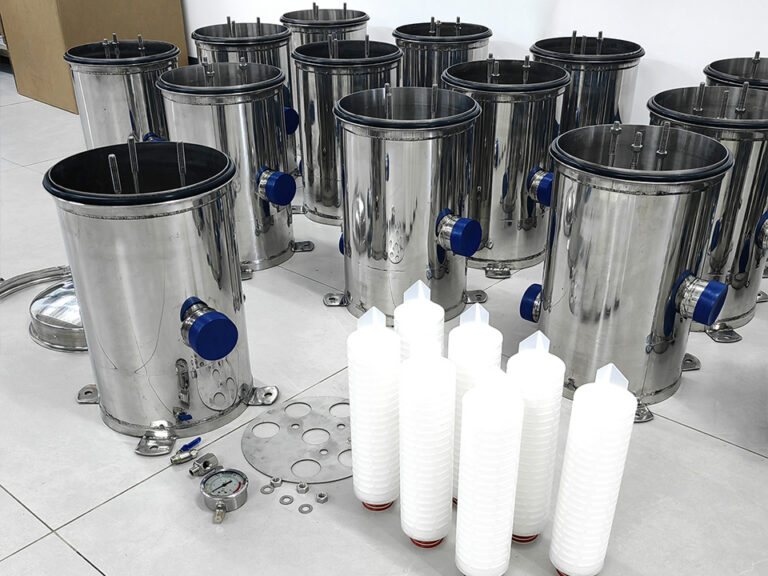
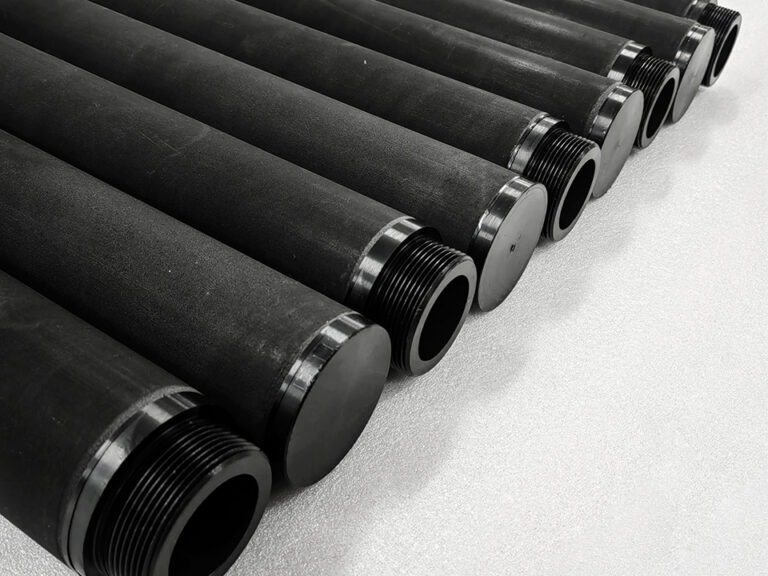
Guangzhou Lvyuan Water Purification Equipment Co., Ltd. is an industrial filter manufacturer founded in 2009 that designs and manufactures stainless steel filter housings, stainless steel sterile water tanks, filter elements, filter bags, ultra-polymer materials, and sintered filter products. Buyers choose Lvyuan for OEM/ODM support, ISO9001 quality control, and multi-country certifications.
Guangzhou Lvyuan Water Purification Equipment Co., Ltd.
Commercial RO Water Purifier Buying Guide for Distributors Guide
I still remember a distributor showing me a “premium” commercial RO water purifier sample in a hotel lobby meeting. Glossy cabinet. Nice sticker. Clean welds from ten feet away.
Then we opened it.
The pump was under-specced, the tubing looked like it came from three different vendors, and the “high rejection” membrane had no proper model marking—just a nice white label that said something vague enough to make everyone feel comfortable and nobody legally responsible. Classic move.
Here’s the ugly truth: commercial RO is full of catalog machines pretending to be engineered systems.
And distributors? They often get trapped first.
A commercial RO system isn’t just a box that makes water taste better. It’s pressure, feedwater chemistry, prefilter loading, membrane rejection, recovery ratio, solenoid quality, drain-line behavior, pump heat, TDS creep, spare-part continuity, and whether your dealer can fix the thing on a Tuesday afternoon without calling the factory three time zones away.
That’s the business. Not the brochure.
Table of Contents
The Distributor Doesn’t Sell RO. He Sells Uptime.
But nobody writes that on the Alibaba quote sheet.
A restaurant owner doesn’t care that the system uses a “premium reverse osmosis membrane” if his ice machine scales up, his coffee tastes flat, or the flow drops during lunch rush. A hotel doesn’t care about your 5-stage diagram if the housekeeping floor complains about low output. A clinic doesn’t care about your pretty stainless frame if the service tech can’t find the right O-ring.
From my experience, the distributor who wins isn’t the one with the cheapest wholesale RO water purifier. It’s the one who can say, without blinking: “Here’s the membrane model, here’s the pump spec, here’s the prefilter schedule, here’s the spare-parts kit, and here’s what happens when your feedwater hits 900 ppm TDS.”
That sounds boring.
It sells.
The wider water market is also getting less forgiving. In April 2024, the U.S. EPA finalized national drinking-water limits for six PFAS compounds, including 4.0 ppt limits for PFOA and PFOS; public systems were given monitoring and compliance responsibilities that pushed contaminant language into mainstream buyer conversations.
So yes, even if you’re selling commercial RO water purifier units in cafés, hotels, offices, schools, or small factories—not municipal treatment plants—the customer mood is changing. People ask harder questions now.
Good. They should.
Why Cheap Commercial RO Systems Become Expensive Fast
I frankly believe the cheapest machine in a distributor’s warehouse is often the most expensive one.
Not always. But often.
A low-cost commercial reverse osmosis system can look profitable on day one: low landed cost, easy margin, clean product photos, quick dealer interest. Then the first batch goes into real water—hardness above 250 mg/L as CaCO₃, chlorine variation, iron staining, sediment after pipe repairs, low inlet pressure, summer water at 30°C—and suddenly the “500 GPD” unit behaves like a tired little under-sink system wearing a commercial badge.
It works. Usually.
Until it doesn’t, and that’s when the math gets ugly: two technician visits, one replacement pump, one angry dealer, one delayed restaurant opening, and a distributor margin that quietly dies in the back office.
The Buyers Are Different. Stop Selling One Box to Everyone.
A café buyer wants taste control. Especially espresso guys. They’ll obsess over TDS, hardness, alkalinity, and whether your RO water needs remineralization before it touches a La Marzocco or Nuova Simonelli machine.
A school wants reliability. Less drama, less downtime, lower service frequency.
A hotel wants complaint reduction. Nobody wants guests calling reception because water tastes like a swimming pool.
A clinic wants hygiene confidence.
A small factory may want process water with conductivity targets, silica awareness, or downstream equipment protection. That’s not “just drinking water” anymore—it’s a spec job.
So when a supplier tells you one commercial water purification system fits “restaurant, hospital, hotel, factory, school, office,” I’d slow down. Maybe they’re simplifying. Maybe they’re guessing. Maybe they don’t know the difference.
Bad sign.
The Distributor Buying Formula I’d Actually Use
Forget the shiny cover photo for a minute. Here’s the formula I use when looking at an RO water purifier for distributors:
Verified output × feedwater tolerance × spare-part control × service simplicity × dealer margin
Notice what isn’t there?
“Lowest FOB price.”
That’s because a $30 saving on the machine means nothing if the membrane fouls early, the pump runs hot, or the replacement sediment filter size is some weird semi-custom dimension that your local market can’t source quickly.
And yes, I’ve seen that exact mess.
The distributor should ask: can my dealers install this fast, explain it honestly, maintain it profitably, and keep the customer for two or three filter cycles? If the answer is no, the unit isn’t cheap. It’s just delayed pain.
What Specs Matter Before You Buy Inventory
Don’t let suppliers hide behind broad phrases. “High quality membrane.” “Strong pump.” “Food-grade material.” Fine. Show the numbers.
Buying Factor
What to Ask the Supplier
Why It Matters
Distributor Red Flag
Rated capacity
Is the output measured at 25°C, ideal pressure, and standard feedwater?
Inflated GPD/LH ratings create customer disputes
Supplier gives only “up to” capacity
Membrane brand/spec
What membrane model, rejection rate, and replacement availability?
Membrane quality drives TDS reduction and consistency
“Imported membrane” with no model
Recovery ratio
How much permeate vs reject water?
Water waste affects operating cost
No recovery data
Pretreatment
Sediment, carbon, softener, antiscalant, UF, or multimedia?
Protects membrane and pump
Same prefilter package for all markets
Pump type
Brand, pressure range, duty cycle, voltage tolerance
Pump failure is a top service headache
No spare pump stock
Frame/material
SS304, SS316, painted steel, plastic housings
Corrosion and hygiene perception
Thin frame, unknown steel grade
Certification claims
NSF/ANSI, CE, ISO, local compliance documents
Reduces legal and trust risk
Certificate belongs to another model
Spare parts
Lead time for housings, O-rings, gauges, PCBs, valves
Determines service profitability
Supplier says “available later”
OEM support
Logo, manual, packaging, SKU control, serial tracking
Helps distributors build brand equity
OEM only means sticker
The annoying part? You’ll need to ask these questions twice.
Once to sales. Once to engineering.
The answers won’t always match.
Pretreatment: The Boring Part That Saves the Deal
Here’s where outsiders get exposed fast: they talk about RO membranes all day and barely mention pretreatment.
But pretreatment is the bodyguard.
Sediment cartridges catch grit before it scratches up the party. Carbon handles chlorine before it cooks the TFC membrane. Softening or antiscalant helps when hardness is high. In dirtier water, UF before RO may be smarter than pretending a cheap 5-micron cartridge can fight mud, rust, biofilm, and bad plumbing alone.
I’m blunt about this because distributors pay for lazy pretreatment later.
But every serious distributor needs to understand what’s sitting before the membrane.
Certification Claims: Pretty Paper, Real Liability
However, certificates can become theater.
A supplier sends a CE file. An ISO 9001 certificate. Maybe a test report. Maybe some “NSF material” wording. Everyone relaxes. Nobody checks whether the exact model, exact housing, exact membrane, exact tubing, exact tank, exact faucet path, and exact media configuration are covered.
That’s how bad claims enter your catalog.
NSF says products making PFAS reduction claims must reduce PFAS below 20 ppt, with certified products retested periodically and manufacturing facilities inspected annually.
That sentence should make distributors nervous.
Why? Because marketing language travels faster than documentation. A dealer copies your claim. A customer screenshots it. A competitor challenges it. Then someone asks: “Was that exact commercial RO water purifier certified for that exact contaminant reduction claim?”
Silence gets expensive.
Light Commercial RO: The Fast-Moving SKU
This is the café, office, clinic, small-restaurant segment. Usually compact. Sometimes cabinet-style. Sometimes wall-mounted. Typically sold on convenience, taste, and service intervals.
But be careful with advertised output.
A light commercial RO system rated at 400 GPD under ideal test conditions won’t always behave that way in a cramped kitchen with weak inlet pressure and warm, hard water. Also, storage tank size matters more than many dealers admit. Peak draw kills weak sizing.
I like this category for distributors because it moves. Filters repeat. Dealers understand it.
Still, don’t oversell it.
Medium Commercial RO: Where Service Discipline Starts
Now we’re talking schools, hotels, bigger restaurants, central office pantry systems, and some light process uses.
This is where pump selection, pressure vessel quality, pretreatment design, and service access begin to separate real systems from dressed-up domestic machines. A commercial reverse osmosis system in this class needs better documentation and better spare-part planning.
I’d want local stock of pumps, gauges, membrane housings, solenoids, flow restrictors, pressure switches, O-rings, tubing, fittings, and controller boards.
Yes, that ties up cash.
So does losing dealers.
Light Industrial RO: Don’t Fake Engineering
Yet some distributors still try.
They take a standard commercial RO water purifier, push it into a small factory, slap “industrial” in the quotation, and hope the water behaves politely. It won’t.
Industrial-ish applications need water analysis. Real analysis. Not “the customer said city water.” You need TDS, conductivity, pH, hardness, iron, manganese, silica if relevant, turbidity, chlorine/chloramine, temperature, pressure, and daily demand pattern.
No test, no quote.
That’s not arrogance. That’s survival.
The Feedwater Checklist I Wouldn’t Skip
Before recommending the best commercial RO water purifier, get the water checked. Even a basic test is better than sales guesswork.
You want:
TDS or conductivity
pH
Hardness as CaCO₃
Free chlorine or chloramine
Iron and manganese
Turbidity
Silica for process water
Bacteria risk if storage is involved
Inlet pressure
Water temperature
Peak demand, not just daily average
Simple list. Big consequences.
If a dealer refuses to test the water, make him sign off on the risk. I’m serious. Otherwise, the distributor becomes the warranty sponge for someone else’s shortcut.
Supplier Red Flags That Make Me Walk Away
Sometimes the factory isn’t dishonest. It’s just not ready for distributor-grade business.
Other times? Different story.
Here are the little tells:
“Imported membrane” but no membrane model
No pump curve
No recovery ratio
Same pretreatment recommendation for every water source
No exploded diagram
No spare-parts price list
No locked BOM
No serial tracking
No manual in the target-market language
No chlorine tolerance discussion
No packaging test details
“We can change parts anytime, same quality”
That last one is poison.
Maybe the substitute part is fine. Maybe it’s not. Either way, your dealer didn’t agree to beta-test the factory’s purchasing department.
PFAS Changed the Buyer Conversation
The EPA’s 2024 PFAS rule didn’t magically turn every café owner into a water chemist. But it did something important: it made ordinary buyers more aware that “clean water” has measurable chemistry behind it.
Reuters reported that the EPA rule set strict limits ranging from 4 to 10 parts per trillion for individual PFAS compounds and required public water systems to monitor and inform the public.
And lawsuits followed the money. That’s how this industry works.
For distributors, the lesson isn’t “start shouting PFAS removal on every product page.” Please don’t. The lesson is: buyers now expect proof. NSF has also noted that common PFAS reduction technologies include granular activated carbon, anion exchange resin, and reverse osmosis membranes.
So be precise.
If your exact system has validated claims, document them. If it doesn’t, don’t borrow credibility from the RO category as a whole.
Component Choices: Small Parts, Big Dealer Anger
I’ve watched dealers forgive a slow delivery.
I’ve rarely watched them forgive repeated tiny failures.
A commercial RO unit can be wrecked by weak housings, brittle fittings, poor O-rings, inconsistent filter dimensions, cheap pressure gauges, low-grade stainless, or a controller that behaves like it was designed during lunch.
And no, that doesn’t mean stainless belongs everywhere. Plastic can be fine. PP can be fine. PE can be fine. The point is fit-for-duty, not material snobbery.
For special gas, thermal, or non-standard filtration stages, even a sintered copper powder filter may be relevant in a broader filtration assembly. Not a default RO part. Don’t force it. Just know the toolbox.
Price Is Where Distributors Fool Themselves
Unit price is addictive.
A supplier drops the commercial RO water purifier quote by 6%. Everyone celebrates. Then replacement membranes cost too much, filter housings are odd-sized, spare pumps take 45 days, and the “OEM packaging” turns out to be one sticker and a flimsy carton.
Great deal, right?
Not really.
Distributors should model money across the lifecycle:
Initial unit sale
Sediment filters
Carbon filters
RO membranes
Pumps
Solenoid valves
Pressure switches
Flow meters
UV lamps, if used
Storage tanks
Installation kits
Dealer training
Warranty parts
Annual service packs
Emergency replacement kits
The margin isn’t only in the machine. Often, the healthier margin sits in boring repeatables.
Filters. Membranes. Service.
That’s where good distributors build a moat.
Don’t Launch With Too Many Models
I know the temptation. New catalog, new market, big ambition. You want 12 SKUs so every dealer feels covered.
Bad idea.
Start with three.
One light commercial RO system for cafés, offices, clinics, and small restaurants. One medium commercial unit for hotels, schools, and bigger foodservice accounts. One configurable higher-flow platform for light industrial or process-adjacent buyers.
Then stock deep.
Membranes, pumps, housings, valves, gauges, tubing, fittings, O-rings, filters, controllers. All the annoying stuff. Especially the annoying stuff.
A thin catalog with deep service beats a fat catalog full of orphan parts.
Every time.
Commercial RO System Comparison for Distributor Planning
System Class
Typical Buyer
Common Capacity Range
Main Risk
Distributor Strategy
Light Commercial RO
Café, office, clinic, small restaurant
100–600 GPD
Oversold flow rate
Keep installation simple and stock filters locally
Medium Commercial RO
Hotel, school, large restaurant
600–2,000 GPD
Pump and membrane stress
Require feedwater testing and stronger pretreatment
Light Industrial RO
Factory, lab, process water, bottling
2,000+ GPD
Bad water chemistry assumptions
Sell engineered configuration, not fixed boxes
Custom OEM RO
Brand distributors, regional wholesalers
Flexible
Supplier inconsistency
Lock BOM, packaging, manuals, and spare-part terms
OEM Terms: Fight Here, Not Later
But distributors often negotiate the wrong things.
They hammer the unit price. They argue over logo printing. They ask for nicer cartons. Fine, fine, fine.
Then they forget the BOM.
A locked bill of materials matters more than a prettier sticker. You need written approval before component substitution. You need spare-part price stability. You need packaging standards. You need test photos or reports. You need serial-number control. You need warranty exclusions written in plain language.
And you need to know what happens when the supplier changes a pump because “same quality, friend.”
That phrase gives me a headache.
After-Sales Support Is the Real Product
Here’s the part nobody puts on the trade-show banner: after-sales support is the commercial RO product.
The unit is hardware. Support is the business.
A distributor-grade commercial water purification system program should include installer sheets, fault-code guidance, troubleshooting trees, maintenance videos, filter-change labels, QR registration, warranty forms, dealer price tiers, water-test templates, spare-part kits, and local-language manuals.
Too much work?
Yes.
That’s why weak distributors don’t do it.
And that’s why good distributors keep accounts longer.
FAQs
What is a commercial RO water purifier?
A commercial RO water purifier is a higher-capacity reverse osmosis filtration system built for businesses such as cafés, restaurants, offices, clinics, hotels, schools, laboratories, and light industrial sites where output volume, membrane performance, feedwater tolerance, and serviceability matter more than compact household design.
In plain terms, it’s not just a bigger home RO unit. A proper commercial setup usually includes sediment filtration, carbon pretreatment, one or more RO membranes, a pressure pump, gauges, valves, drainage control, and sometimes UV or post-treatment. The distributor’s job is to match that setup to the actual water and workload.
How do I choose a commercial RO water purifier for distributors?
To choose a commercial RO water purifier for distributors, match the system to feedwater quality, daily peak demand, service capability, spare-part supply, certification needs, OEM consistency, and dealer margin instead of choosing mainly by quoted capacity, cabinet appearance, or the lowest factory price.
Start with water data. Always. Then check the membrane model, pump spec, recovery ratio, pretreatment design, spare-parts list, warranty terms, and packaging reliability. If the supplier can’t explain how the unit behaves under hard water, low pressure, high TDS, or long duty cycles, don’t build your channel around it.
What is the difference between a commercial RO system and a commercial water purification system?
A commercial RO system uses reverse osmosis membrane separation as the main treatment process, while a commercial water purification system may include RO, activated carbon, ultrafiltration, softening, UV sterilization, ion exchange, sediment filtration, or other treatment stages depending on the water problem.
RO is powerful, especially for dissolved solids and many inorganic contaminants, but it’s rarely the whole story. In real installs, pretreatment protects the membrane, post-treatment adjusts taste or hygiene, and storage design affects output. A distributor should sell the full treatment train—not just the membrane buzzword.
Is the best commercial RO water purifier always the highest-capacity model?
The best commercial RO water purifier is not always the highest-capacity model; it is the system that delivers the required flow under real feedwater conditions while keeping membrane life, wastewater ratio, service cost, and customer expectations under control.
Oversizing wastes money. Undersizing creates complaints. The smarter move is to calculate peak demand, water temperature, inlet pressure, TDS, hardness, and operating hours. For cafés, consistency may matter more than raw output. For factories, conductivity targets may matter more than taste. Context decides the winner.
What should distributors ask suppliers before buying wholesale RO water purifiers?
Distributors should ask suppliers for membrane model numbers, pump specifications, recovery ratio, pretreatment recommendations, spare-part prices, certification documents, locked BOM terms, warranty exclusions, packaging standards, and proof that the quoted unit matches the tested or certified configuration.
Ask for the ugly documents: exploded diagrams, replacement schedules, controller specs, filter dimensions, fitting sizes, valve details, carton testing, production photos, and warranty claim procedure. Sales teams can charm you. Parts departments reveal the truth. If parts support is vague before payment, it’ll be worse after shipment.
Can a commercial reverse osmosis system remove PFAS?
A commercial reverse osmosis system may reduce PFAS when its membrane, configuration, pretreatment, and certification support that claim, but distributors should not advertise PFAS reduction unless the exact model has validated performance data and documentation for that specific contaminant claim.
This is where sloppy marketing gets dangerous. RO technology is associated with PFAS reduction, yes, but category-level capability isn’t the same as model-level certification. If a distributor sells into professional, regulated, or litigation-sensitive markets, unsupported PFAS language can create legal trouble and reputational damage fast.
Final Buying Advice for Distributors
Buy the platform.
Not the cabinet. Not the photo. Not the factory’s nicest sample.
A real commercial RO water purifier program should give you stable output, honest specifications, repeatable service revenue, spare-part control, and documentation that can survive a skeptical buyer asking hard questions. If the supplier can’t give you membrane data, pump data, recovery data, pretreatment logic, warranty boundaries, and BOM stability, I wouldn’t scale that product line.
Maybe buy a sample.
Maybe test it hard.
But don’t build a distributor channel on hope.
Ready to build a more defensible commercial RO product line? Start by auditing your pretreatment components, spare-part strategy, OEM documentation, and supplier BOM control before your next wholesale order.