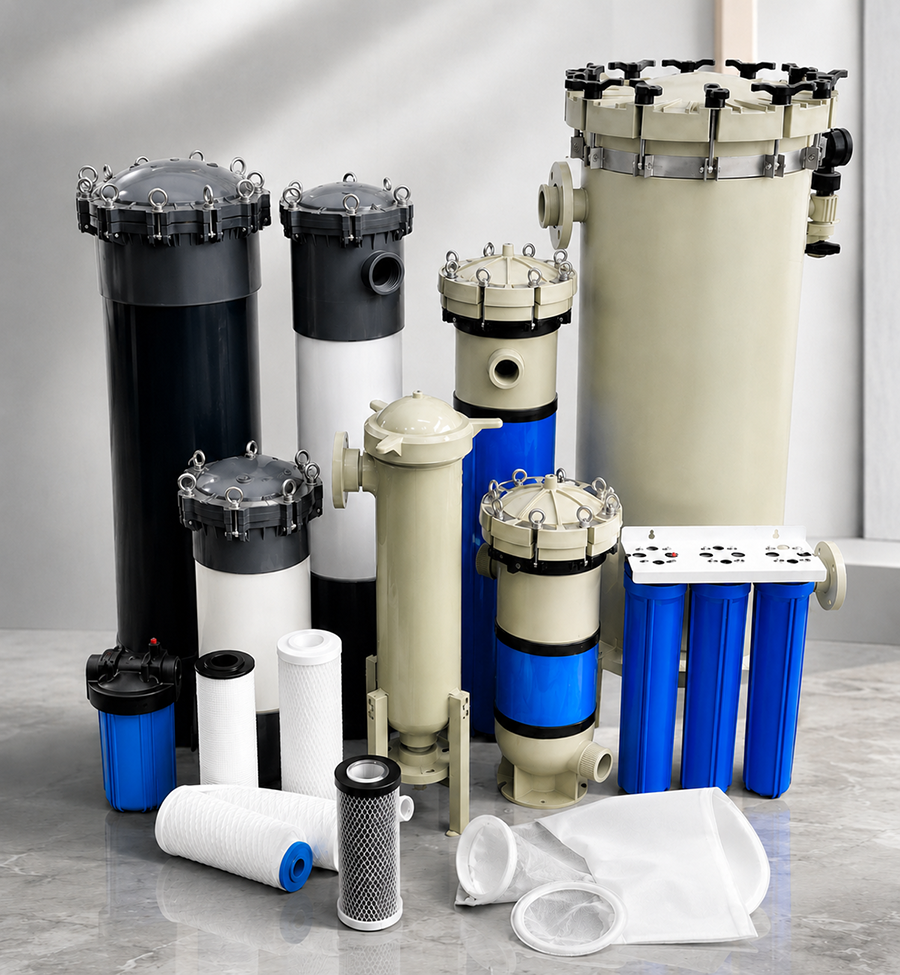
Guangzhou Lvyuan Water Purification Equipment Co., Ltd. is an industrial filter manufacturer founded in 2009 that designs and manufactures stainless steel filter housings, stainless steel sterile water tanks, filter elements, filter bags, ultra-polymer materials, and sintered filter products. Buyers choose Lvyuan for OEM/ODM support, ISO9001 quality control, and multi-country certifications.
Guangzhou Lvyuan Water Purification Equipment Co., Ltd.
Lvyuan Industrial filter housing systems hold replaceable cartridges and remove suspended particulate from process liquids before downstream equipment or the next treatment stage. Available configurations can include polypropylene cartridge housings, single or multi-cartridge designs, and high-flow systems for applications where chemical compatibility, corrosion resistance, maintenance access, and process capacity all influence the final selection.
Total Solution
Plastic Filter Housing for Industrial Liquid Filtration – Lvyuan
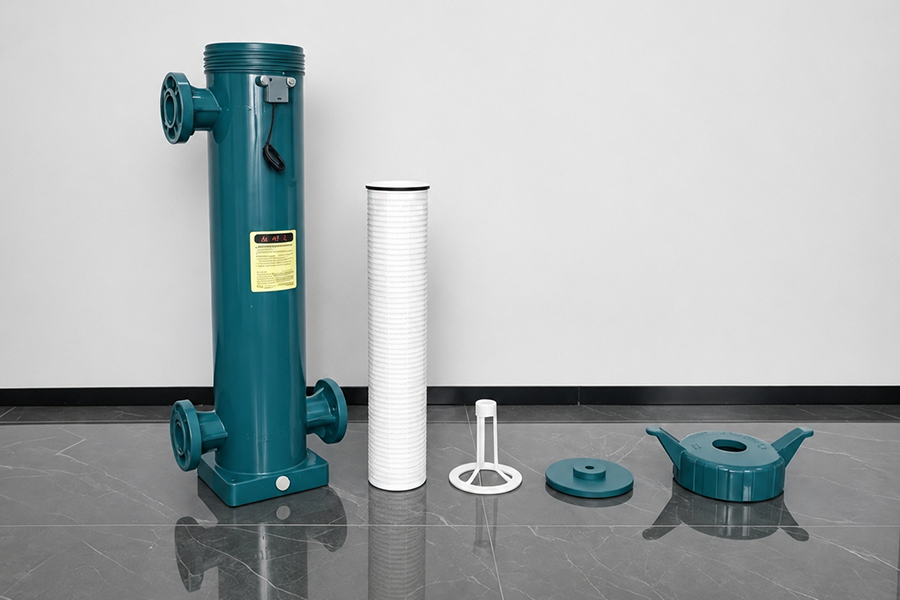
Lvyuan industrial plastic filter housing directs process liquid through a replaceable cartridge that captures suspended solids at a selected filtration rating. The system may be used for prefiltration, polishing, equipment protection, or as one stage in a larger industrial filtration process.
1. Process Protection
Capture particulate before pumps, nozzles, membranes or sensitive downstream equipment.
2. Flexible Media
Support pleated, depth and other cartridge media depending on the housing design.
3. Material Choice
Evaluate polypropylene, PVDF, PVC, stainless steel or carbon steel for the actual process fluid.
4. Serviceability
Consider cartridge changeout clearance, sealing arrangement and replacement availability during selection.
Industrial Plastic Filter Housing Options for Different Process Requirements
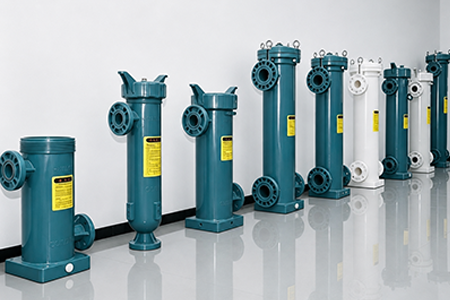
Different filter housing configurations are available for different flow rates, cartridge styles, materials, chemical environments and installation requirements. Buyers may evaluate compact single-cartridge housings, longer cartridge configurations, multiple-cartridge systems or high-flow arrangements. Connection style, seal material, cartridge interface, installation space and process-fluid characteristics should be reviewed before a final selection is made.
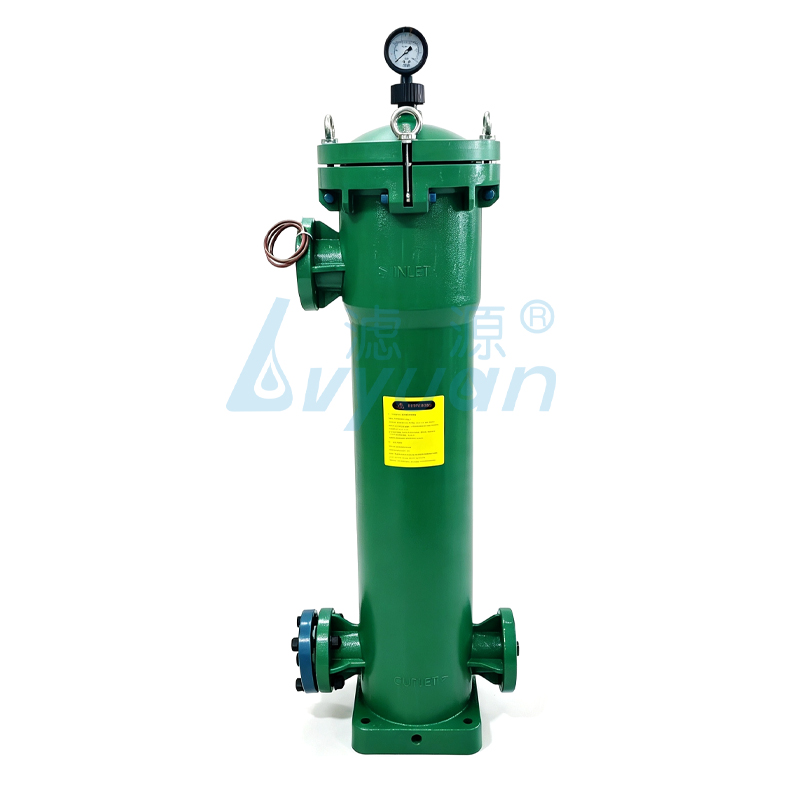
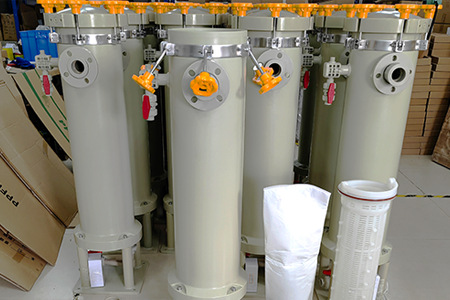
Lvyuan PP Industrial Bag Filter Housing is a durable polypropylene filtration unit for removing particles from industrial liquids using #1 or #2 filter bags.
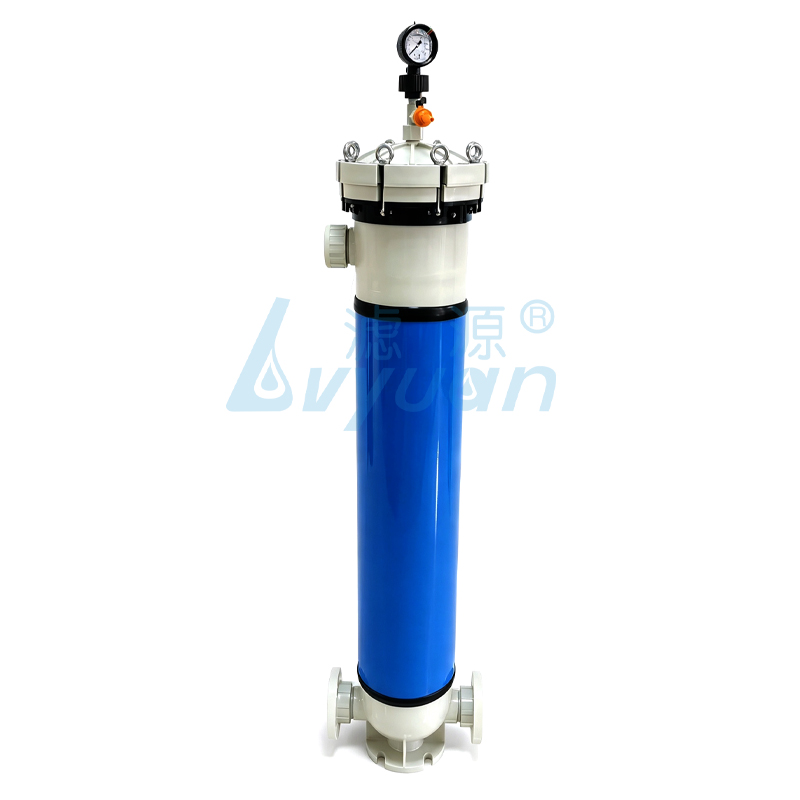
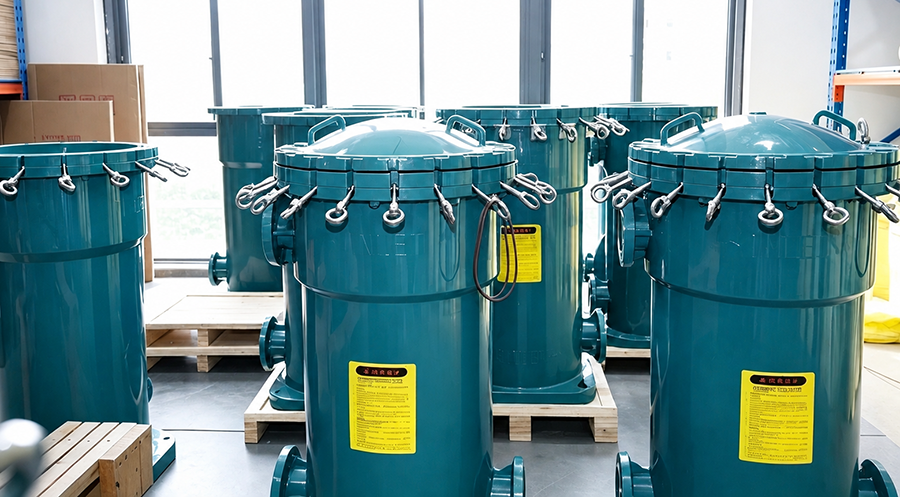
Lvyuan FRP Multi-Cartridge Filter Housing is a corrosion-resistant, non-metallic housing designed to hold multiple cartridges for efficient industrial water and liquid filtration.
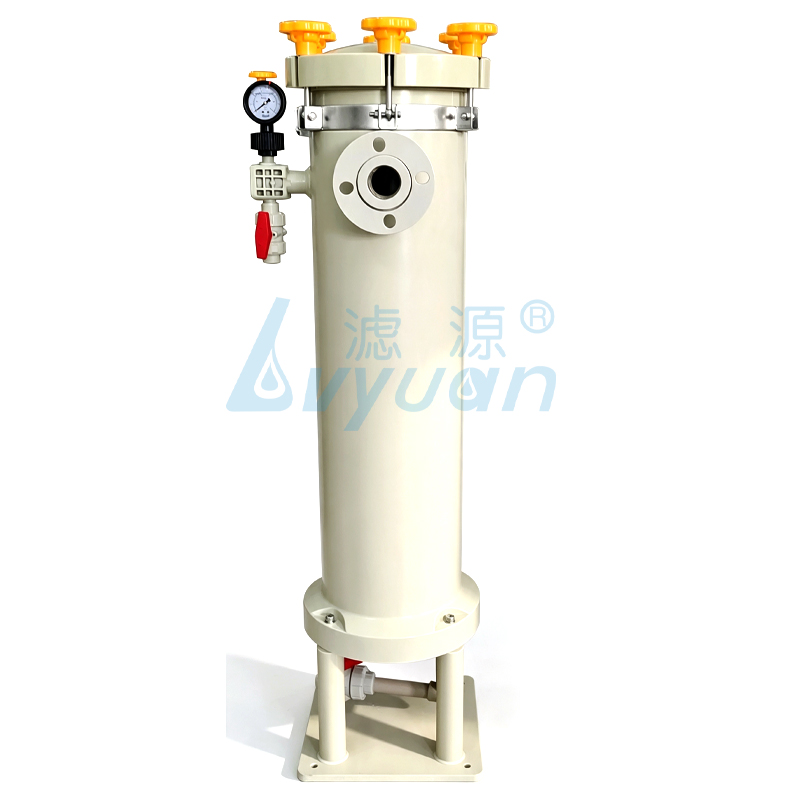
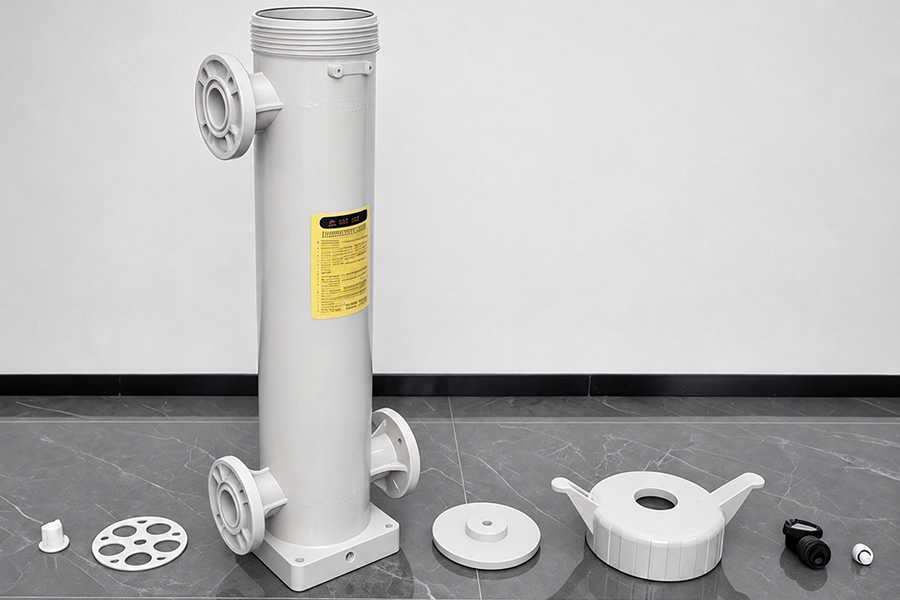
Lvyuan PPH Industrial Plastic Filter Housing is a chemically durable housing designed for reliable filtration of chemicals, process water, and industrial liquids.
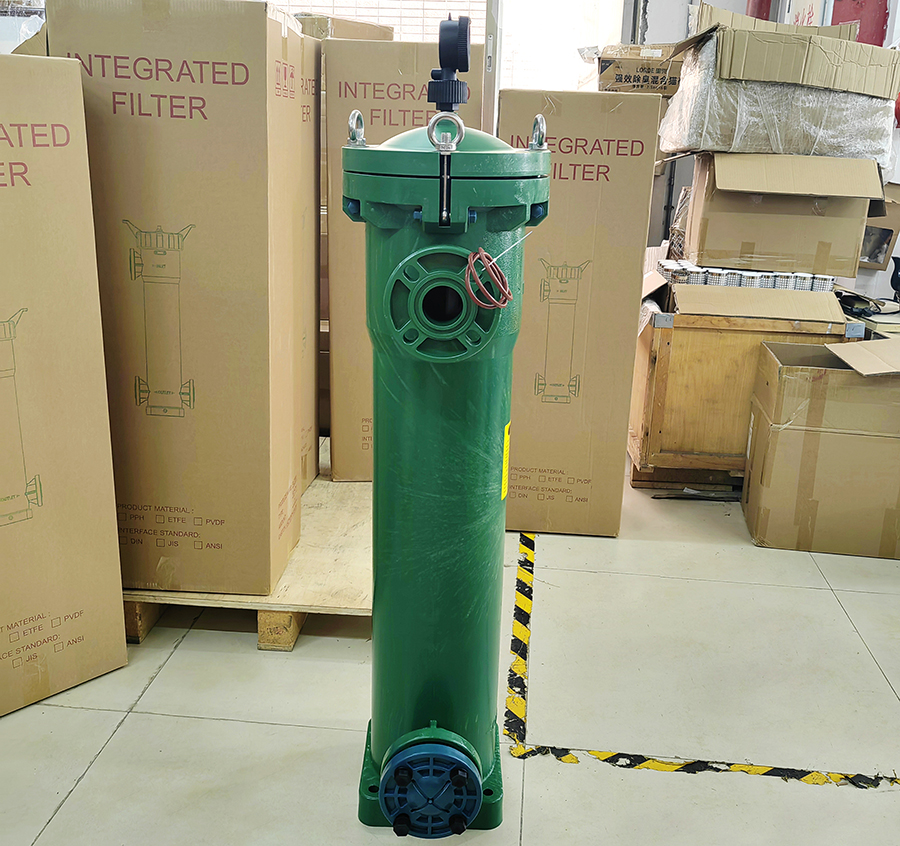
Lvyuan PVDF Chemical-Resistant Bag Filter Housing is a durable single-bag filtration unit designed to remove particles from demanding chemical and liquids.
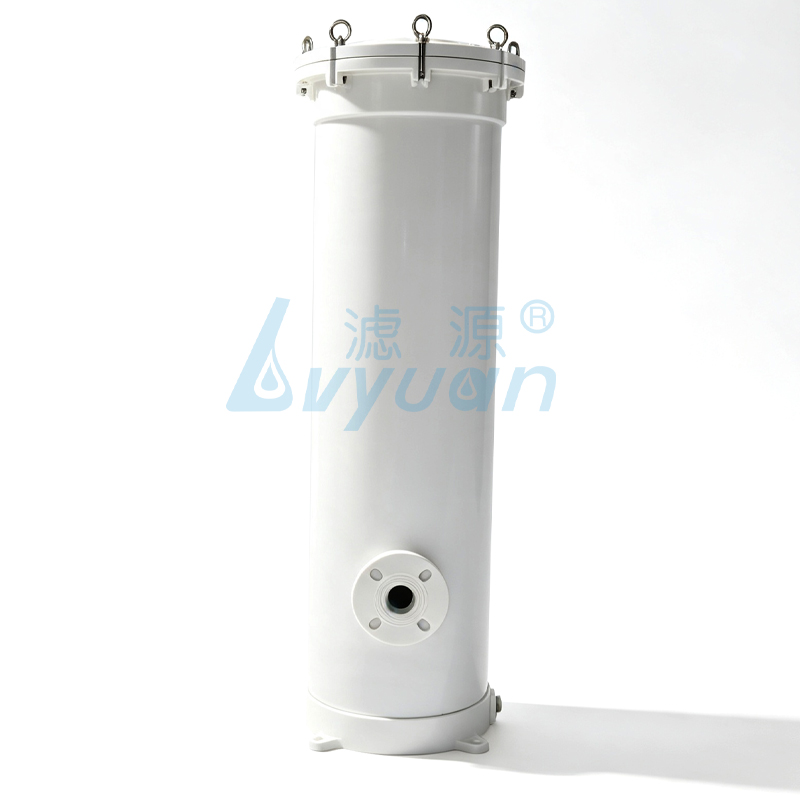
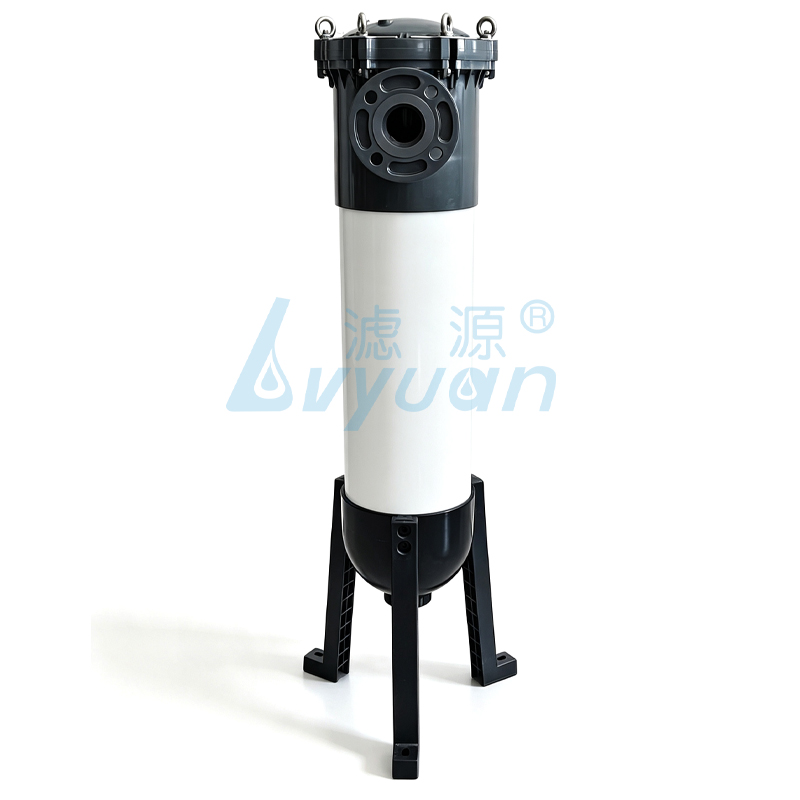
Lvyuan UPVC Bag Filter Housing is a corrosion-resistant filtration unit designed to remove solid particles from industrial liquids using replaceable filter bags.
Select a filter housing by evaluating the process fluid, required flow, contaminant, filtration rating, cartridge geometry, material compatibility, temperature, pressure and connection requirements together. The final configuration should safely accommodate the cartridge while also meeting maintenance, installation and replacement requirements.
Define the process liquid. Identify the fluid, concentration, additives and chemical characteristics.
Establish the required flow rate. Flow determines whether a conventional cartridge housing, multi-element design or high-flow format is more appropriate.
Identify the contaminant. Specify whether the target is sediment, process debris, resin fines, precipitated solids or another suspended particulate.
Determine the filtration rating. Select the rating from the process objective and expected solids loading.
Specify process connections. Include line size, connection type, orientation and any vent or drain requirements.
Plastic Filter Housing Specification and Operating Considerations
The following table provides a practical starting point for defining a specification. Actual limits must be confirmed for the selected model.
Selection Factor
Typical Options / Considerations
Housing Material
Polypropylene, PVDF, PVC, nylon, stainless steel, carbon steel; model and application dependent
Cartridge Configuration
Single or multiple cartridge; standard or high-flow arrangement
Cartridge Length
Selected according to required cartridge format and housing design
Cartridge Connection
DOE, 222-style or other application-specific interfaces
Filtration Rating
Selected according to contaminant size and required process result
Inlet / Outlet
Threaded, flanged or other fitting configurations depending on design
Operating Pressure
Model dependent; confirm with manufacturer
Operating Temperature
Depends on housing, cartridge, seal material and process liquid
Seal Material
Selected according to chemical and temperature compatibility
Flow Configuration
Standard cartridge, multi-cartridge or high flow
Application
Standard cartridge, multi-cartridge or high flow
Customized Plastic Filter Housing Options for OEM and Project Requirements
OEM customers, distributors, system integrators, water treatment contractors and EPC teams may require a housing that fits an existing skid or project layout rather than a standard off-the-shelf arrangement.
Depending on project requirements, custom configurations may include:
housing material;
cartridge quantity and format;
housing dimensions;
inlet and outlet orientation;
threaded or flanged connections;
vent and drain arrangement;
seal material;
cartridge interface;
mounting arrangement;
pressure requirements;
project-specific fittings;
integration into an existing filtration skid.
A useful customization request should include a process data sheet rather than only a photograph of the required housing. The more complete the operating information, the easier it is to evaluate the proposed filtration solutions against actual application requirements.
For OEM or repeat-order projects, buyers may also need to confirm drawing revision control, replacement-element identification, packaging requirements, project quantities and documentation before finalizing the order.
Filter Housing Materials: Polypropylene, PVDF, PVC or Metal?
Housing material should be selected according to the process fluid, operating temperature, pressure, cleaning method, installation environment, and expected service conditions. No single material is the correct choice for every application.
Polypropylene filter housing
A polypropylene housing is often evaluated for water treatment and selected chemical-service applications because polypropylene construction can offer useful chemical compatibility while avoiding metallic corrosion. Polypropylene is also widely used as filter media and cartridge construction material where chemical compatibility is important.
For an actual system, however, chemical compatibility must be checked for the complete assembly—including housing, cartridge, O-ring, adhesive or bonding materials, fittings, and the operating temperature.
PVDF and other engineering plastics
PVDF may be considered where the process requires a different chemical or temperature-resistance profile from polypropylene. PVC and nylon are also used in certain fluid-handling applications, but suitability depends on the particular chemical, concentration, temperature, pressure, and mechanical requirements.
Special engineering-plastic designs may also incorporate reinforced or glass-filled components where additional mechanical performance is required.
Stainless steel and carbon steel
Metal housings remain useful where the application calls for higher mechanical strength, elevated operating conditions, sanitary construction, or a different lifecycle requirement. Stainless steel options such as 304 are commonly encountered in industrial filtration equipment, while carbon steel may be considered for suitable non-corrosive process environments.
Metal should not automatically be regarded as superior to plastic housings, nor should plastic automatically be considered the lower-cost answer. Lifecycle cost also depends on corrosion, cartridge replacement, maintenance accessibility, downtime, installation conditions, and the process fluid itself.
For high temperature or elevated-pressure service, the design should be reviewed against the actual manufacturer’s rated operating envelope rather than assuming that a material name alone establishes suitability.
Cartridge Filter Compatibility and Housing Configuration
A housing and cartridge filter must work as one system. Matching only the nominal cartridge length is not enough.
Important compatibility points include cartridge outside diameter, actual length, sealing design, end configuration, housing internal support, flow direction, differential-pressure behavior, and the amount of clearance required for removal.
Cartridge length and diameter
Common systems may be designed around standard-format cartridges or proprietary large-diameter elements. Compact formats such as slimline cartridges differ from larger big blue or bb style water filter housings, while a big clear housing may be chosen where visual inspection of the element or liquid is useful.
A plastic cartridge housing must therefore be specified by more than a nominal length such as “10-inch” or “20-inch.” Actual fit should be confirmed from cartridge and housing drawings.
DOE, 222 and open-end arrangements
DOE normally refers to a double-open-end cartridge arrangement. Other housings may use a 222 O-ring interface or another closed-end locating system. An open end configuration can require different compression and sealing hardware from a cartridge with molded O-ring end caps.
The sealing arrangement matters because bypass around the cartridge can undermine the intended filtration performance even when the correct micron media has been selected.
Pleated, depth and specialty cartridges
A cartridge housing may be configured for:
pleated cartridges for higher effective media area;
melt-blown or other depth cartridges for particulate loading;
string-wound elements for selected general-process duties;
membrane-compatible prefilters;
specialty chemical-service media;
larger-diameter high-flow elements.
Cartridge material is equally important. Polypropylene, polyester, nylon, and other media have different chemical and thermal characteristics.
When replacing an existing unit—whether a Hayward housing, a Filtrafine DJ-P series single filter, a DJ-P series single filter housing, or another manufacturer’s system—provide the existing drawing, cartridge dimensions, connection details, and operating conditions instead of assuming interchangeability. An adapter kit may be technically possible in some systems, but compatibility needs to be evaluated case by case.
High Flow Filter Housing or Conventional Cartridge Filter?
A high flow filter housing becomes attractive when a process requires higher liquid throughput and a large number of conventional cartridges would otherwise be needed. High-flow systems use larger-format cartridges and can reduce the number of elements required for a given process flow. Commercial high-flow systems from established manufacturers illustrate this design principle.
Fewer cartridges may mean:
a smaller housing footprint;
fewer individual elements to remove;
fewer cartridge sealing points;
simpler inventory in some installations;
shorter change-out procedures, depending on system design.
However, high flow does not automatically mean lower operating cost. Engineers should compare cartridge price, solids loading, differential pressure, available installation clearance, disposal requirements and replacement availability.
Conventional cartridge designs can remain a practical choice for lower flows, smaller pipework, widely available replacement media, or systems where multiple filtration stages use familiar industry standard cartridge formats.
Filter Applications in Water, Chemical and Process Systems
Cartridge housings support a wide range of filtration applications, but cartridge media and housing materials should always be matched to the specific liquid.
Industrial water and process water
For industrial water, the filter can remove suspended particulate before equipment such as pumps, spray nozzles, heat exchangers or downstream treatment processes. Required water quality, particle loading and cartridge replacement frequency influence the appropriate configuration.
Reverse osmosis pretreatment
A cartridge filter is commonly used as a polishing or guard filtration step within reverse osmosis pretreatment. Its function is to reduce suspended particulate reaching downstream equipment; the required filter rating should be determined from the overall treatment design rather than treated as a universal value.
General water filtration
In water filtration systems, cartridge housings may be installed after coarse filtration or before sensitive equipment. Applications involving drinking water require appropriate materials and regulatory review. References to FDA requirements or food-contact compliance should only be made for specifically documented materials and products—not assumed from material type alone.
Food and beverage processing
In food and beverage service, buyers typically evaluate cleanability, material documentation, process compatibility, cartridge construction and contamination-control requirements. Regulatory or sanitary compliance must be verified for the specific housing and media supplied.
Chemical and corrosive liquid filtration
Chemical processes may favor polymer housing materials when metallic corrosion is a concern. The housing can remove particulate from compatible acids, alkalis, chemical intermediates or process solutions, but chemical concentration and operating temperature must be supplied before selecting polypropylene, PVDF, PVC or another material.
Lubricants and process fluids
Cartridge systems can also remove suspended solids from compatible lubricant and process-fluid circuits to help protect downstream equipment. Viscosity becomes particularly important because higher-viscosity liquids can produce greater pressure drop across the filter.
In every application, the objective is controlled contamination removal—not simply installing the smallest-rated cartridge available.
What Should Industrial Buyers Check Before Ordering a Filter Housing?
Technical suitability comes first, but commercial details can strongly affect the long-term usability of the system.
Procurement and engineering teams should confirm the complete bill of requirements: housing configuration, cartridge reference, sealing materials, process connections, operating envelope and quantity.
Pay particular attention to replacement cartridges. A low initial housing price can become less attractive if the element is difficult to source or uses a proprietary geometry that was not considered during purchasing.
Maintenance accessibility matters as well. Confirm that operators have adequate space to unscrew a sump, open the vessel, remove the cartridge and inspect the seal without dismantling surrounding pipework.
For project and OEM purchasing, request the documents required by your organization before ordering. These might include dimensional drawings, material information, operating instructions, cartridge references, packing details or other agreed documentation.
This is particularly important for demanding industrial installations, where procurement decisions affect maintenance teams and process engineers long after commissioning.
Frequently Asked Questions
What is a cartridge filter housing?
A cartridge filter housing is a pressure-containing assembly designed to hold one or more replaceable filtration cartridges while directing process liquid through the filter media. The housing provides fluid connections and cartridge support, while the cartridge performs the actual particulate removal. Housing and cartridge selection should therefore be evaluated together.
When should polypropylene be selected for a filter housing?
Polypropylene can be considered when its chemical, temperature and mechanical characteristics are compatible with the process fluid and operating conditions. It is frequently used in filtration products where chemical compatibility is important. Final material selection should also account for the O-ring, cartridge and other wetted components.
What cartridges fit a cartridge filter housing?
Compatibility depends on cartridge length, diameter, end configuration, sealing method and the housing’s internal locating hardware. DOE, 222-style and other interfaces are not automatically interchangeable. Provide the existing cartridge drawing or part number when replacement compatibility is a purchasing requirement.
How should I select a micron rating?
Select the filter rating according to the size of the target contaminant, downstream equipment requirements and upstream solids loading. A finer cartridge does not automatically produce a better system; it can increase pressure drop or replacement frequency if the process contains significant larger particulate.
Can plastic filter housings handle corrosive liquids?
Some plastic housing materials can be suitable for selected corrosive liquids, but compatibility is chemical- and condition-specific. The fluid identity, concentration, temperature and pressure should be reviewed together with the housing material, O-ring, cartridge and fittings. Do not base chemical compatibility on the housing material name alone.
When is a high-flow cartridge system worth considering?
A high-flow system is worth evaluating when required throughput would otherwise require many conventional cartridges or a larger multi-cartridge vessel. High-flow formats can reduce cartridge count and installation footprint in suitable applications. Differential pressure, replacement availability, solids loading and lifecycle cost still need to be compared.
Can I replace an existing housing with another manufacturer’s cartridge housing?
Potentially, but replacement should be based on dimensions and operating requirements rather than nominal size alone. Confirm cartridge geometry, connections, flow, pressure, temperature, seal materials, mounting arrangement and installation clearance. For an existing brand or series filter, supplying the original model information and drawings reduces compatibility risk.
What information should I provide for a filter housing quotation?
Provide the process fluid, required flow rate, filtration rating, operating pressure, operating temperature, cartridge length and diameter, cartridge interface, inlet/outlet connection, preferred housing material and required quantity. Also identify chemical concentrations, existing cartridge models, special mounting requirements and OEM documentation needs when applicable.
Request a Filter Housing Solution
For a new filter housing, replacement project, OEM system or custom cartridge filtration requirement, send the operating conditions before finalizing the configuration. Include the process fluid, required flow rate, target filtration rating, normal and maximum pressure, operating temperature, cartridge size, cartridge end configuration, connection type and project quantity.
These details allow the housing material, cartridge compatibility, sealing arrangement and flow configuration to be evaluated as one filtration system. You can then request a quotation, technical specification, dimensional information, replacement-cartridge review, or discussion of project-specific customization requirements.