Guangzhou Lvyuan Water Purification Equipment Co., Ltd. is an industrial filter manufacturer founded in 2009 that designs and manufactures stainless steel filter housings, stainless steel sterile water tanks, filter elements, filter bags, ultra-polymer materials, and sintered filter products. Buyers choose Lvyuan for OEM/ODM support, ISO9001 quality control, and multi-country certifications.
Guangzhou Lvyuan Water Purification Equipment Co., Ltd.
Lvyuan bag filter housing provides a practical method for removing suspended solids from industrial process liquids using a replaceable filter bag installed inside a pressure vessel. Single-bag and multi-bag configurations can be evaluated according to flow, material, filtration duty, connection arrangement and operating conditions.
Total Solution
Custom Bag Filter Housing and Filtration Solutions From Lvyuan
Lvyuan available options may include changes to housing material, vessel size, number of bags, inlet and outlet orientation, basket configuration, connection style, surface treatment, filter media compatibility, sealing arrangement, and pressure-related design requirements.
OEM projects may also require dimensional coordination with existing filtration products or surrounding equipment. In these cases, drawings, process data, replacement bag information, and existing specifications can help clarify requirements before manufacturing.
Customization should solve a defined engineering problem rather than add unnecessary complexity. The objective is an effective filtration solution that fits the process, allows practical maintenance, and provides suitable access for filter replacement.
Bag Filter Housing Product Range and Available Configurations
Different bag filter housing configurations can be evaluated according to required flow rate, filter bag size, number of bags, housing material, pipeline connection, operating pressure, installation layout, and process conditions. A smaller single bag housing may be suitable for moderate batch duties, while multi-bag filter housings can provide additional filtration area when a process requires greater capacity or longer operating periods between bag changes. Stainless steel, carbon steel, NPT, flange, basket, inlet, outlet, and other design options should be selected according to the actual application and project specification.
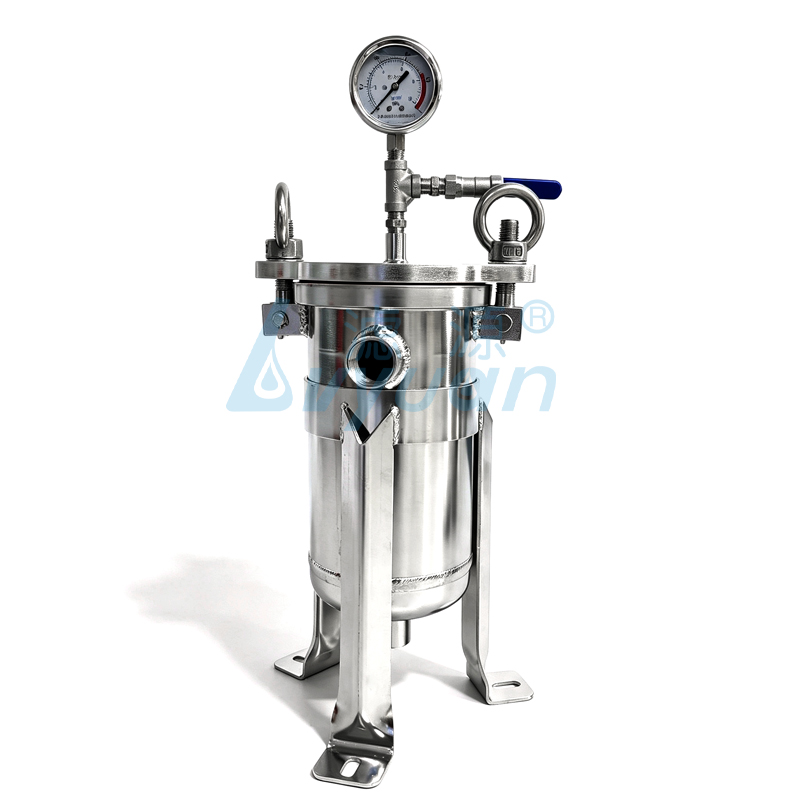
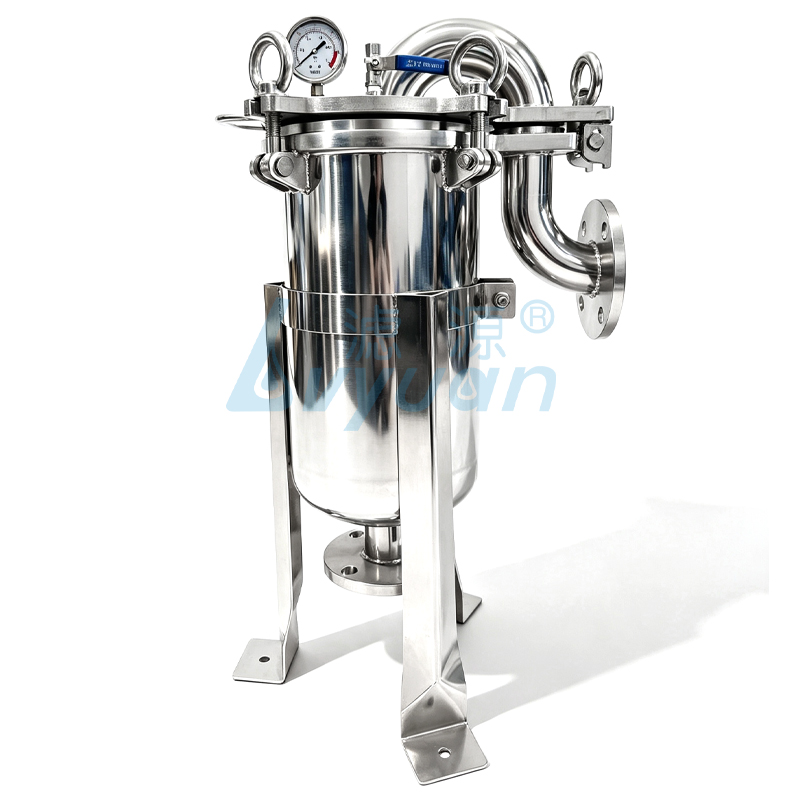
Lvyuan Industrial Stainless Steel Single Bag Filter Housing is a durable SS304/SS316L unit that uses one #1 or #2 filter bag for reliable particle removal from industrial liquids.
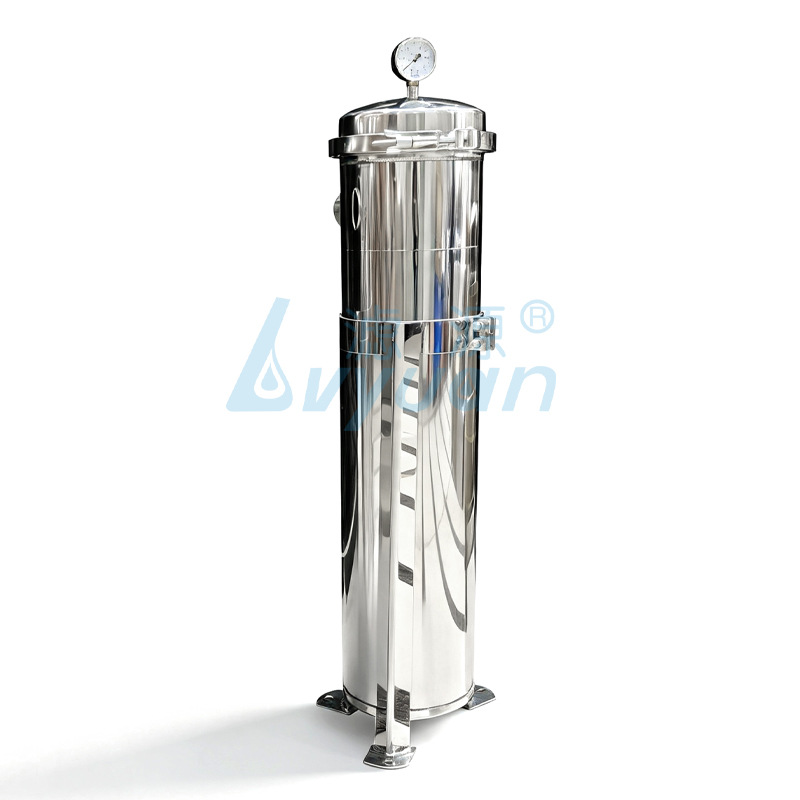
Lvyuan Tri-Clamp Stainless Steel Bag Filter Housing is a quick-opening SS304/316L unit designed for clean, efficient particle removal from food, beverage, water and process liquids.
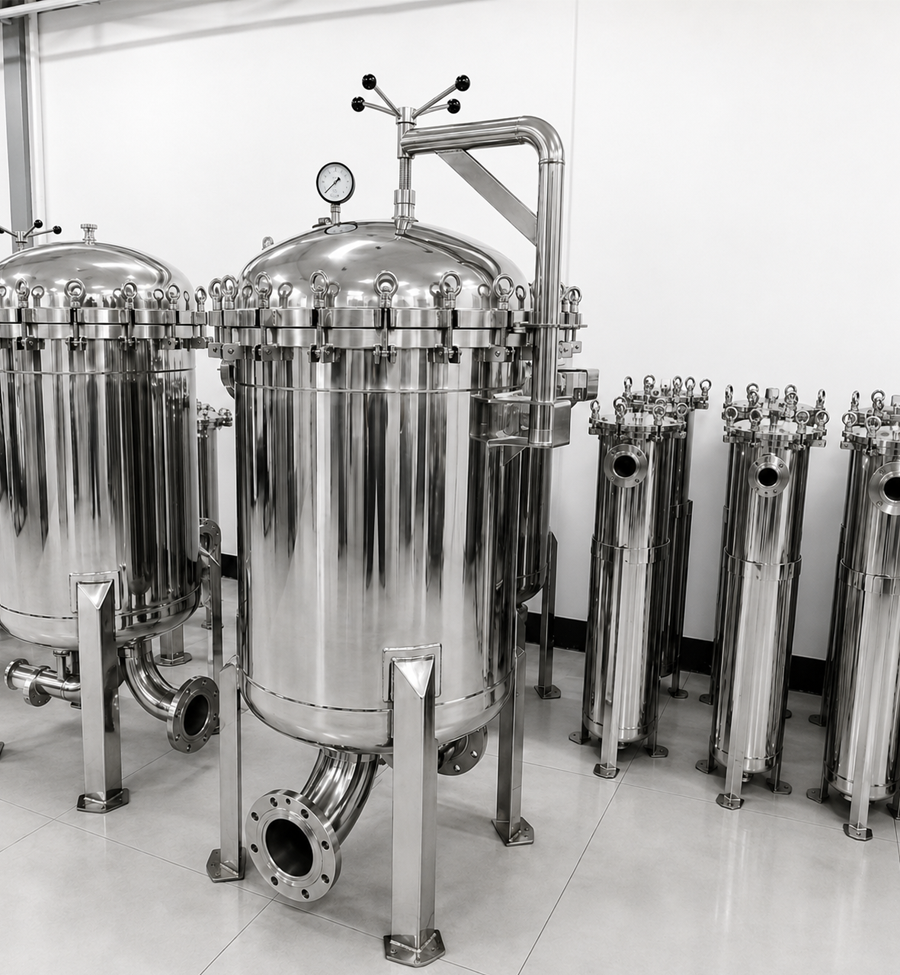
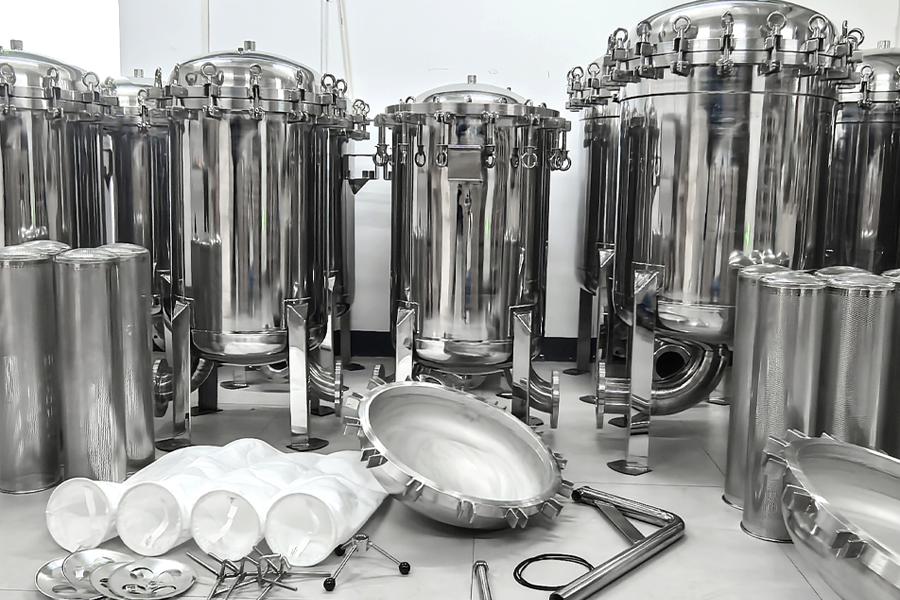
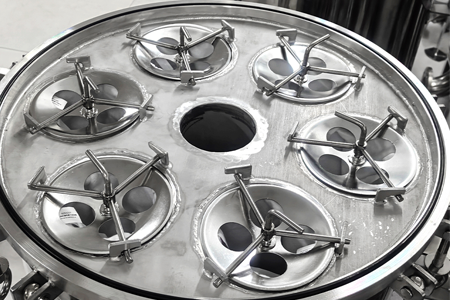
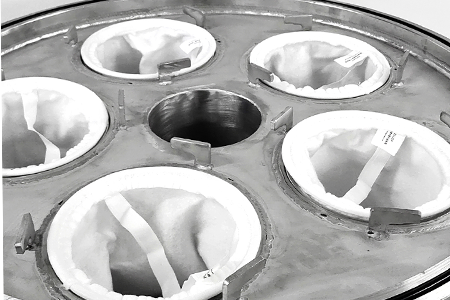
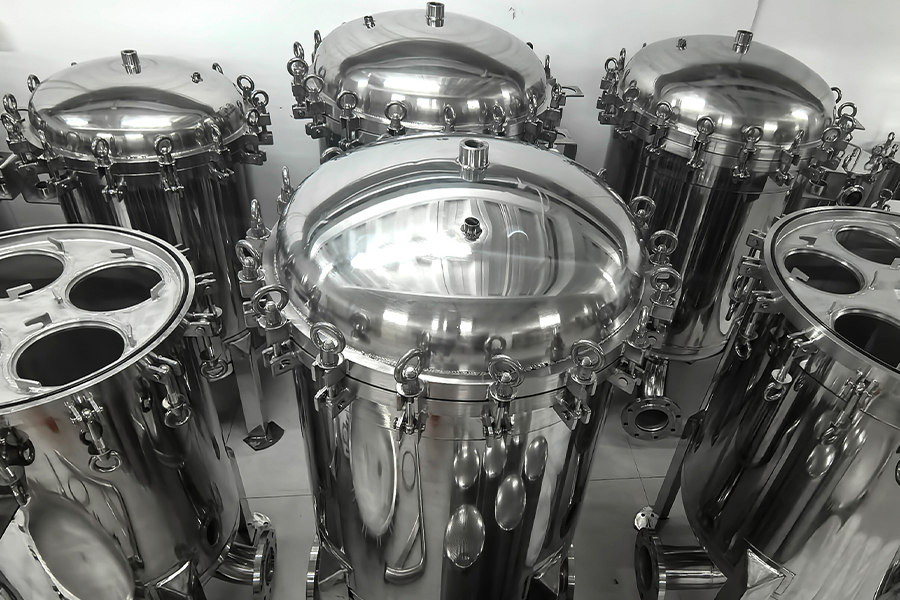
Lvyuan Stainless Steel Multi-Bag Filter Housing is a high-flow filtration unit that uses multiple filter bags to remove particles from industrial water and process liquids.
Lvyuan Top Entry Stainless Steel Bag Filter Housing is a SS304/316L filtration unit that directs liquid into a supported filter bag for efficient solids removal and easier bag replacement.
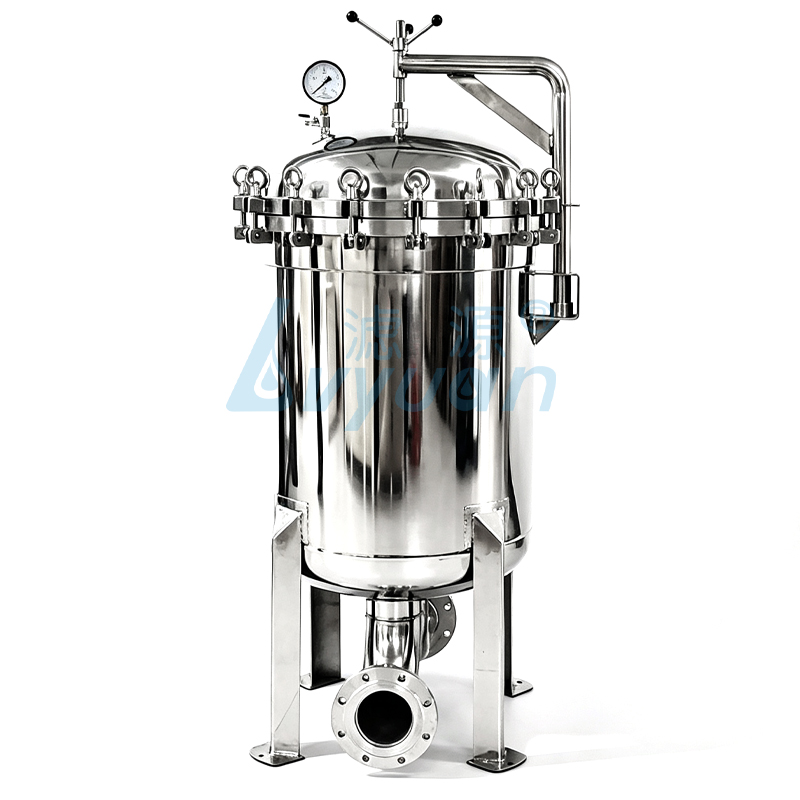
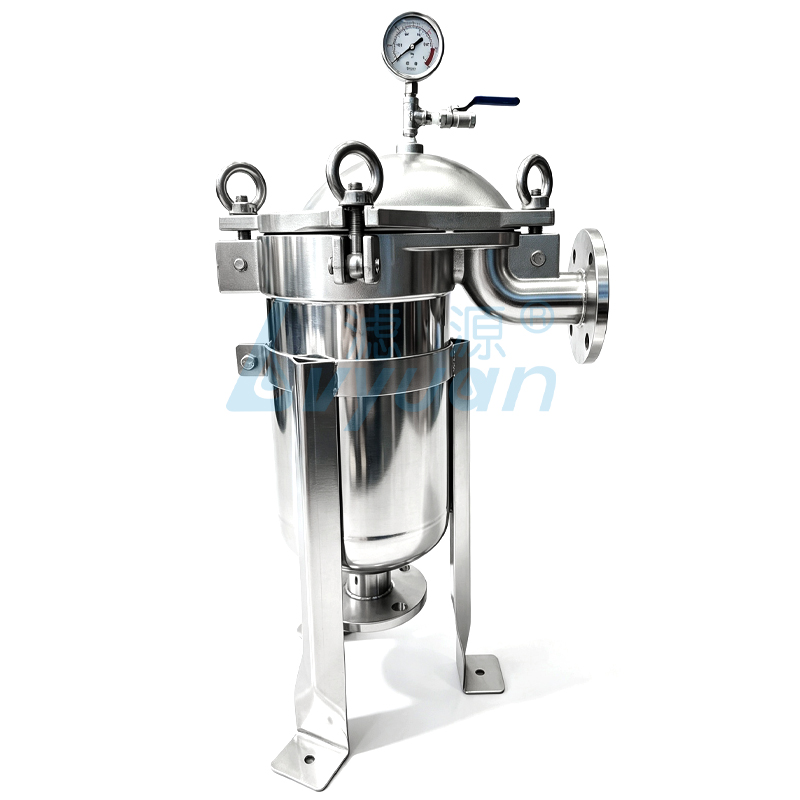
Lvyuan Stainless Steel Domed-Cover Single Bag Filter Housing is an SS304/316L filtration unit with a swing-bolt domed cover, designed for efficient particle removal and easy bag replacement in industrial liquids.
Providing complete process data helps the manufacturer evaluate the housing, filter bag, basket, connections and filtration area as one system.
Identify the Fluid
Define Required Flow
Set the Filtration Target
Describe Contamination
Provide Pressure & Temperature
Select Housing Material
Determine Bag Size & Quantity
Specify Connections
This information produces a more useful quotation than requesting a housing based only on nominal pipe diameter or bag size.
Single Bag vs. Multi-Bag Filter Housing Selection
A single bag filter housing contains one filter bag and is generally considered when the required filtration area and process flow can be handled within one housing. A multi-bag filter places multiple bags in the same vessel, increasing the available filtration area and making it more practical for higher-volume processes. Eaton, for example, lists both single- and multi-bag housing configurations within its industrial filtration portfolio.
Selection Factor
Single-Bag Housing
Multi-Bag Filter Housing
Flow demand
Lower to moderate process demand
Higher process demand
Filtration area
One filter bag
Multiple filter bags
Installation footprint
Often easier where space is limited
Larger vessel, but can consolidate filtration capacity
Dirt loading
Suitable when solids loading is manageable
Useful where more media area is required
Bag replacement
One bag per service cycle
Several bags may require replacement
Process use
Batch lines, side streams, smaller process systems
Main process lines and higher-flow duties
Capital complexity
Simpler configuration
More complex vessel and internal arrangement
Why Work With a Bag Filter Housing Manufacturer?
A capable manufacturer should do more than quote a vessel from a short product description. For international B2B sourcing, purchasing teams should evaluate how well a supplier can translate process requirements into a clear technical specification.
Important factors include manufacturing capability, material traceability requirements, engineering communication, drawing confirmation, dimensional quality control, weld and surface requirements where applicable, basket construction, sealing options, and consistency between repeat orders.
Buyers should also ask how replacement filter bags are specified and whether alternative media can be evaluated later if process conditions change.
For projects involving existing equipment, references to established industry products from suppliers should be treated as technical comparison information only. Compatibility must be confirmed from actual dimensions and specifications; such references do not imply brand affiliation or authorization.
Good supplier such as Lvyuan communication improves reliability by identifying unclear requirements before production rather than after the equipment reaches the installation site.
How Does a Bag Filter Housing Work in Liquid Filtration?
A filter housing contains and supports the filter bag while directing process liquid through the filter media. During operation, liquid enters the housing, passes through the bag, and leaves through the outlet. Particles larger than the effective retention range of the selected media are captured within or on the filter material.
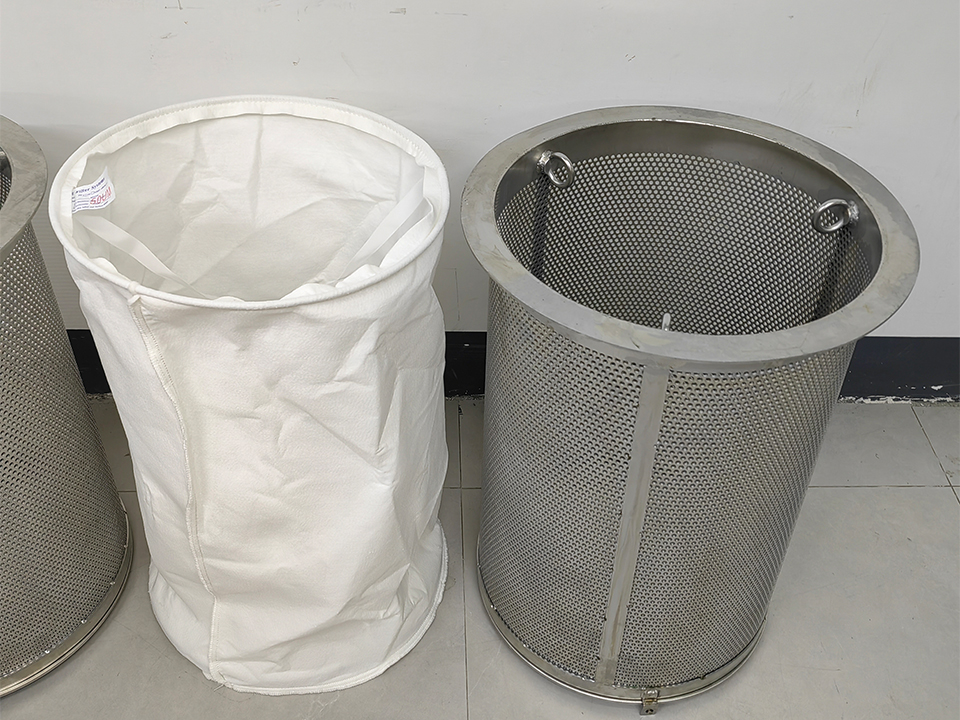
The internal basket supports the bag against hydraulic forces and helps maintain its shape as dirt accumulates. The housing itself provides pressure containment, connections, closure, sealing, and access for filter replacement. The bag is the replaceable filtration component; the vessel is the permanent equipment that holds it.
Bag filtration is widely used for coarse, bulk, and process liquid filtration, and suppliers such as Eaton, Donaldson, and Parker offer both bags and housings for industrial applications.
Filter Housing Materials and Construction Options
Material selection is an engineering decision based on chemical compatibility, corrosion, temperature, pressure, cleaning method, surrounding environment, and expected service life.
Stainless steel is frequently used for industrial filter housing construction. Depending on process requirements, grades such as 316 stainless steel may be evaluated where corrosion resistance is an important consideration. Carbon steel may also be considered for compatible fluids and operating environments.
Inside the vessel, a perforated support basket normally prevents the filter bag from collapsing or expanding excessively under differential pressure. Construction should also account for the closure arrangement, seal material, drain or vent requirements, and inlet and outlet orientation.
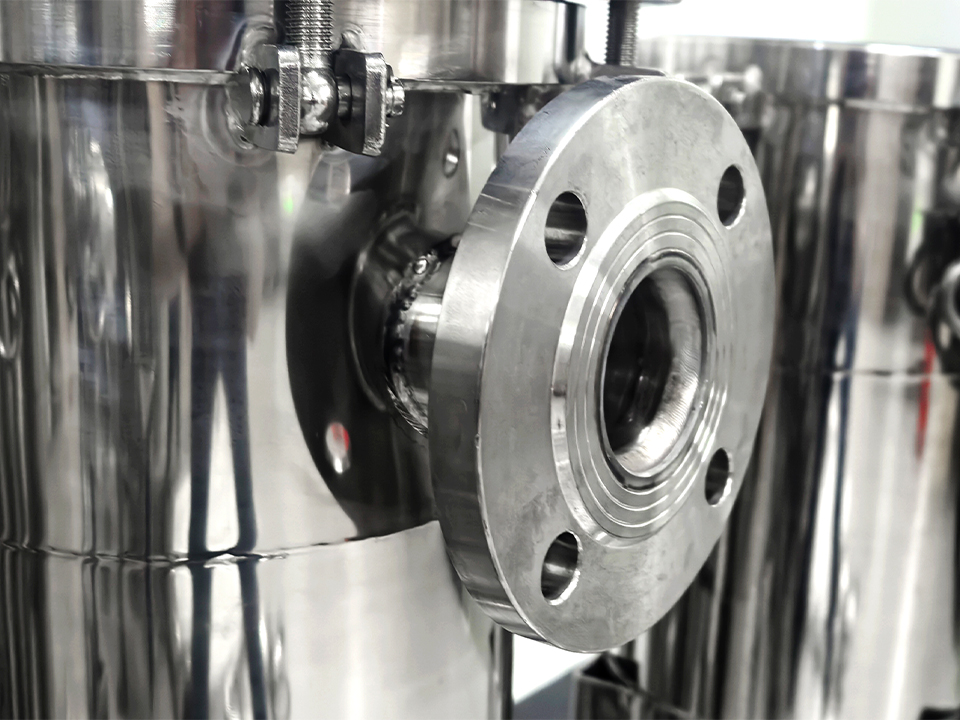
Pipeline connections may include NPT threaded arrangements or a flange, depending on pipe size, installation practice, maintenance requirements, and project standards. Final connection and sealing details should always be matched to the process rather than selected solely from stock availability.
Filter Bag Size, Micron Rating and Filter Media
Choosing the correct filter bag requires more than specifying a micron number. The desired particle removal level needs to be considered together with contaminant size distribution, solids concentration, viscosity, process cleanliness requirements, flow conditions, and expected replacement frequency.
Filter media may include felt, mesh, or other structures designed for different retention characteristics. Industrial suppliers offer filter bags in different materials and constructions for coarse and finer filtration duties.
A finer micron rating can increase contaminant capture, but it may also affect dirt-loading behavior and pressure drop if the fluid contains a high concentration of solids. Conversely, unnecessarily coarse media may not achieve the required downstream cleanliness.
Engineers should therefore evaluate the complete filtration duty: what needs to be removed, how much contamination enters the system, what must be protected downstream, and how frequently the bag can reasonably be changed.
Flow Rate, GPM, Pressure and Filter Housing Connections
Housing size should be determined from the required flow rate, not simply from the nominal physical size of the filter housing.
For projects specified in GPM, engineers should consider fluid viscosity, contaminant loading, filtration rating, number of bags, clean pressure drop, allowable operating differential pressure, and the characteristics of the selected filter media. Higher viscosity or heavier solids loading may change the practical capacity of a given housing.
Inlet and outlet dimensions also need to suit the pipeline. An undersized connection can create unnecessary velocity and hydraulic losses even if adequate media area is installed. Depending on the project, connections may use NPT threads or flanged piping.
Actual pressure capability, PSI rating, dimensions, and allowable flow should be confirmed from the final housing design and operating data. Nominal vessel size by itself is not enough to establish operating capacity.
Industrial Bag Filter Housing Filtration Applications
Bag filter housing systems are used for many industrial liquid filtration duties because the replaceable bag provides a straightforward way to remove suspended solids from process streams. Common filtration applications can include:
Process and utility water
Water treatment pre-filtration
Cooling water
Chemical process liquids
Paints, inks, and coatings
Compatible oils and lubricants
Food and beverage process streams where the selected equipment is suitable
General process-liquid clarification
Protection of downstream pumps or finer filtration equipment
Donaldson identifies single-bag liquid housings for pre-filtration, coarse filtration, and bulk liquid processing, while Parker describes liquid filter vessels for a broad range of process filtration applications.
Final suitability depends on the process medium, material compatibility, temperature, pressure, filtration objective, and applicable industry requirements. A standard filter housing should not automatically be assumed suitable for sanitary, hazardous, corrosive, high-temperature, or high-pressure service.
How to Select the Right Bag Filter Housing
Selecting a bag filter housing starts with process data. Providing complete operating information allows an engineer or manufacturer to evaluate the housing, filter bag, basket, connections, and filtration area as one system.
Identify the fluid. Specify the process liquid and, where relevant, its chemical composition and viscosity so compatible construction materials can be evaluated.
Define the required flow. Provide normal, minimum, and maximum flow conditions where available rather than only an approximate pump capacity.
Set the filtration target. Determine the micron rating or contaminant-removal objective required by the downstream process.
Describe the contamination. Particle type, approximate solids concentration, particle shape, and dirt loading influence filter media selection and service life.
Provide operating pressure and temperature. These values affect vessel construction, sealing, connections, and overall equipment suitability.
Select housing material. Stainless steel, 316, carbon steel, or another available construction should be evaluated against the actual fluid and operating environment.
Determine bag size and quantity. Available installation space, filtration area, maintenance interval, and process capacity help determine whether one or multiple bags are appropriate.
Specify connections. Provide inlet and outlet size, connection type, orientation, and any piping or installation limitations.
This information produces a more useful quotation than requesting a housing based only on nominal pipe diameter or bag size.
Frequently Asked Questions About Bag Filter Housing Systems
How do I choose the correct bag filter housing size?
Start with required flow, fluid viscosity, contaminant loading, micron rating, allowable pressure drop, and desired service interval. These factors determine the filtration area required. Pipeline connection size alone should not be used to select the housing.
What is the difference between single-bag and multi-bag filter housings?
A single-bag housing uses one filter bag, while a multi-bag housing contains several bags inside one vessel. Multi-bag configurations provide more filtration area and are typically evaluated when greater process capacity or longer operating periods between maintenance stops are required.
How is the required flow capacity calculated?
Flow capacity depends on the complete filtration system, including media type, bag size, number of bags, fluid viscosity, contaminant loading, pressure conditions, and piping arrangement. Provide the expected operating flow rather than relying on a generic maximum GPM value.
Which filter housing material should I select?
The housing material should be compatible with the process liquid, cleaning chemicals, operating temperature, pressure, and surrounding environment. Stainless steel, 316 stainless steel, carbon steel, and other constructions have different advantages and limitations, so final selection should be application-specific.
What micron rating should I use?
Choose the micron rating according to the size and type of contamination that must be removed and the cleanliness required downstream. A finer rating is not automatically better because it may increase loading or pressure drop under some process conditions.
Can the inlet and outlet connections be customized?
Depending on the housing design and manufacturing requirements, connection size, NPT or flange configuration, and inlet/outlet orientation may be evaluated for customization. Providing piping drawings or existing equipment dimensions can make specification confirmation easier.
What information is required for a bag filter housing quotation?
Provide the fluid, required flow rate, desired micron rating, operating pressure and temperature, preferred material, connection size and type, filter bag size or quantity if known, required equipment quantity, and any existing drawings or project specifications.
Request a Bag Filter Housing Quote or Technical Recommendation
For a more accurate bag filter housing quotation, provide as much process information as possible, including the fluid or process medium, required flow rate, micron rating, operating pressure, temperature, preferred housing material, connection size, bag size, number of bags, and required quantity.
Existing drawings, piping layouts, replacement filter information, or project specifications can also help define the correct configuration.
Submit your requirements to request a quotation, product specification, technical recommendation, custom housing evaluation, or engineering discussion. The final configuration can then be reviewed according to your actual operating conditions rather than selected from a generic filtration product description.